Coffee, school lunches, client meetings, and traffic on Bathurst can make six months pass quickly. A dental cleaning Vaughan families can schedule close to home is a practical way to remove buildup that brushing alone cannot reach, check on gum health, and stay ahead of problems that are easier to treat early.
A hygiene visit is not about being judged for how often you floss or whether it has been longer than planned since your last appointment. It is a focused, personalized visit designed to help you feel comfortable, understand your oral health, and leave with a cleaner, fresher smile.
What happens at a dental cleaning in Vaughan?
Most routine hygiene appointments begin with a review of your health history, medications, and any changes you have noticed. Sensitive teeth, bleeding gums, dry mouth, jaw discomfort, pregnancy, diabetes, or a new dental concern can all affect the care you need. Sharing these details helps your dental team tailor the visit rather than taking a one-size-fits-all approach.
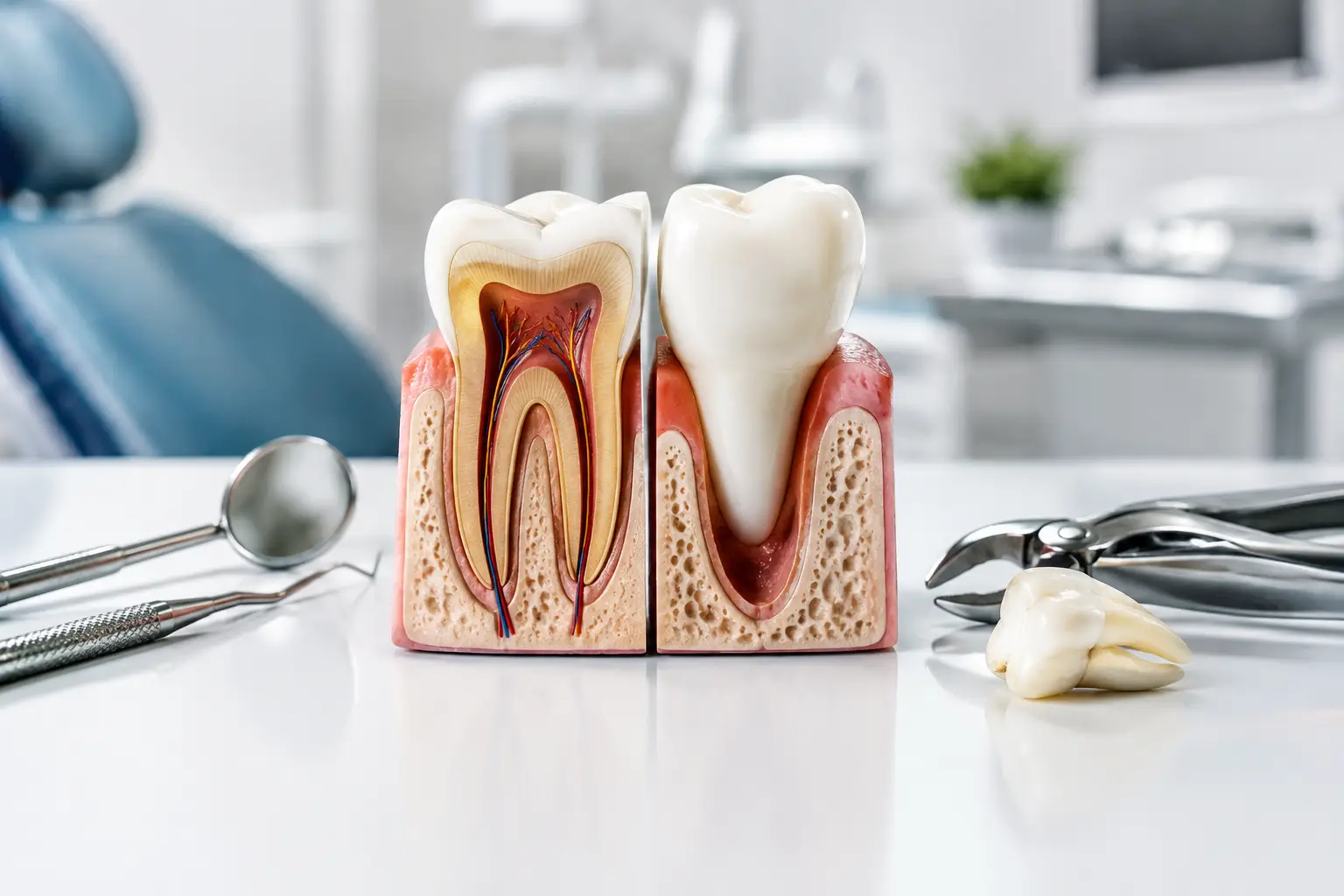
Your hygienist will assess your gums and teeth, looking for plaque, tartar, inflammation, recession, staining, and areas that may be difficult to clean at home. Plaque is a soft bacterial film that develops every day. Tartar, also called calculus, is hardened plaque that attaches to the teeth and cannot be removed with a toothbrush or floss.
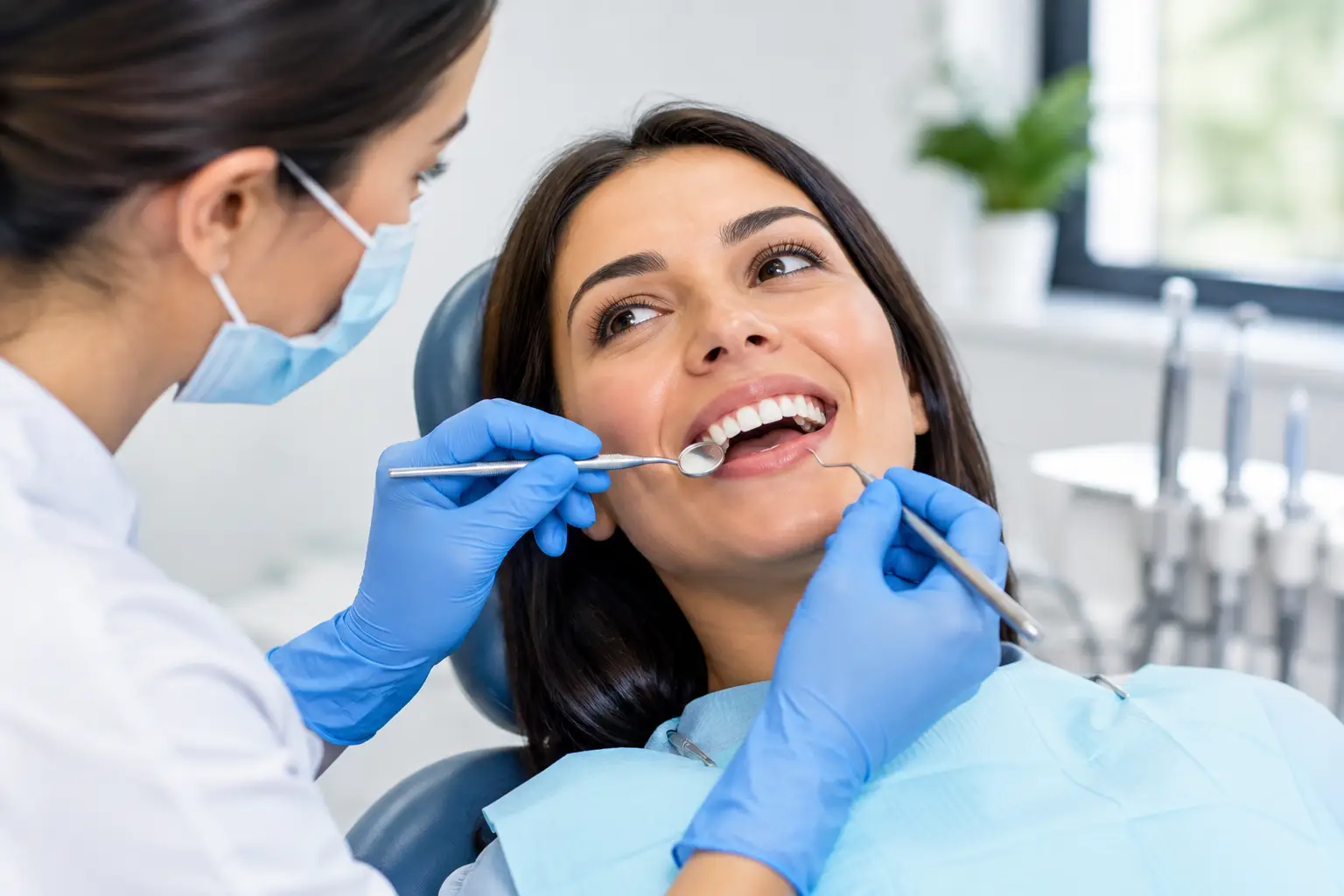
The cleaning itself usually involves gently removing tartar from above and, when needed, just below the gumline. Your teeth are then polished to remove surface stains and create a smooth finish. Flossing between the teeth may be part of the appointment, and fluoride may be recommended for added protection against cavities, especially for children, patients with dry mouth, or people with a higher risk of decay.
If it is time for an examination, the dentist may check your teeth, gums, bite, existing fillings or crowns, and soft tissues in your mouth. Digital X-rays may also be recommended based on your needs and dental history. They can reveal concerns that are not visible during a visual examination, such as decay between teeth, changes around roots, or bone loss.
Why professional cleaning matters between checkups
Even excellent home care has limits. Toothbrush bristles cannot fully remove tartar, and certain areas tend to collect plaque more easily: behind lower front teeth, along the gumline, around crowded teeth, and near restorations such as crowns or bridges.
Professional cleanings help reduce the bacteria that contribute to gum inflammation. Early gum disease, often called gingivitis, can cause redness, swelling, tenderness, or bleeding when you brush and floss. At this stage, it can often improve with consistent home care and regular professional cleanings.
When gum disease progresses, it may affect the bone that supports your teeth. This is not always painful, which is why routine visits matter. Catching changes early can help protect your natural teeth and may prevent the need for more complex periodontal treatment later.
A cleaning can also improve how your smile looks and feels. Tea, coffee, red wine, and tobacco can leave surface stains that polishing may reduce. However, a hygiene cleaning is not the same as teeth whitening. It can brighten teeth by removing external stains, but it will not change the natural shade of enamel in the way professional whitening can.
How often should you book a cleaning?
For many patients, a professional cleaning every six months is appropriate. That schedule is common, but it is not a rule that fits everyone. Your dentist or hygienist may recommend visits every three or four months if you have active gum disease, frequent tartar buildup, diabetes, dry mouth, orthodontic appliances, dental implants, or other risk factors.
Some patients with stable gums and very low risk may need a different schedule. The right interval depends on what your gums, teeth, medical history, and home routine show over time. Personalized scheduling is more useful than waiting until you have a visible problem or discomfort.
Children also benefit from regular hygiene visits. These appointments let them become familiar with the dental setting, build positive habits, and give parents practical guidance on brushing, flossing, fluoride, and cavity prevention. For families, coordinating appointments can make preventive care easier to keep on the calendar.
Will a cleaning hurt if your gums are sensitive?
A routine cleaning should be manageable, but sensitivity can happen. If your gums are inflamed, if there is a significant amount of tartar, or if your teeth have exposed root surfaces, certain areas may feel tender. Let your hygienist know before and during the appointment. Gentle techniques, breaks, topical numbing options, and a slower pace can make a meaningful difference.
It is also normal for gums that have not been cleaned recently to bleed a little during or after a visit. Bleeding is not something to ignore, but it does not mean you should stop brushing or flossing. It is often a sign of inflammation. With professional care and consistent cleaning at home, bleeding may improve as the gums become healthier.
If deeper tartar deposits are present below the gumline, a routine cleaning may not be enough. Your dental team may recommend scaling and root planing, sometimes called deep cleaning. This periodontal treatment targets bacteria and deposits beneath the gums and may be completed over more than one visit. The recommendation should come with a clear explanation of what was found, why the treatment is needed, and what to expect.
Preparing for your hygiene appointment
There is no special routine required before a cleaning. Brush and floss as you normally would, eat beforehand if that helps you stay comfortable, and bring any questions you have noticed since your last visit. If you take medications, have had a recent medical procedure, or are pregnant, tell the team when you book or arrive.
For patients who feel anxious about dental visits, it can help to say so directly. Anxiety is common, particularly after a long gap in care or a difficult past experience. A patient-first clinic can explain each step before it happens, check in throughout the appointment, and focus on making the experience feel more predictable.
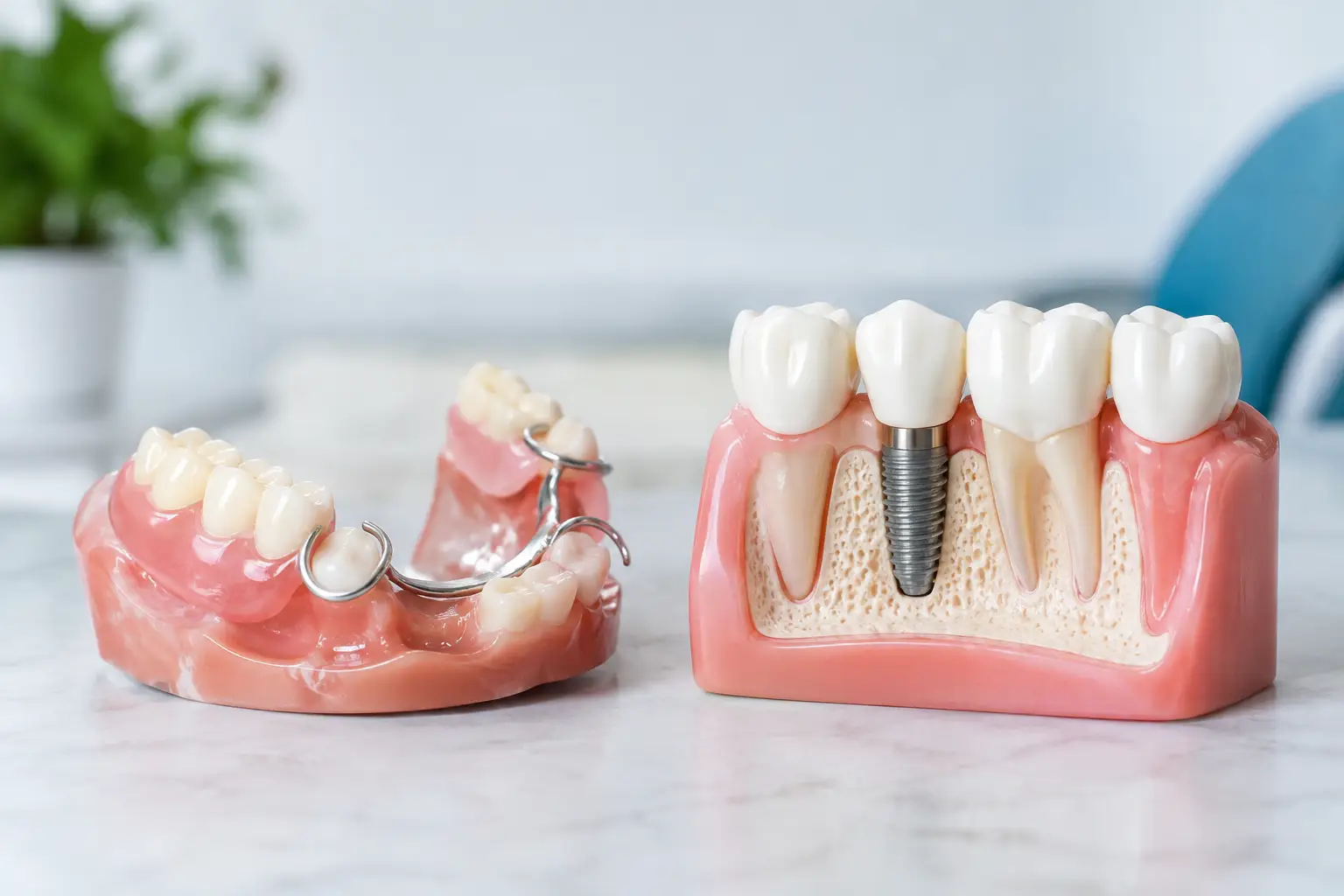
If you wear dentures, use a night guard, have a retainer, or have implants, bring them along if you have questions about cleaning or fit. Implants and restorations need regular professional monitoring too. They do not get cavities in the same way natural teeth do, but the surrounding gums and bone still need attention.
Costs, insurance, and planning care with confidence
A cleaning appointment may include different services depending on your needs, such as an examination, X-rays, fluoride, or periodontal measurements. For that reason, costs can vary. Before treatment begins, ask what is included and whether additional services are being recommended.
Direct insurance billing can reduce the paperwork for many patients, although coverage depends on your individual plan, annual maximums, and frequency limits. Patients eligible for the Canadian Dental Care Plan should also ask how their coverage applies to hygiene and examination services. Clear information before your visit helps you make decisions without surprises.
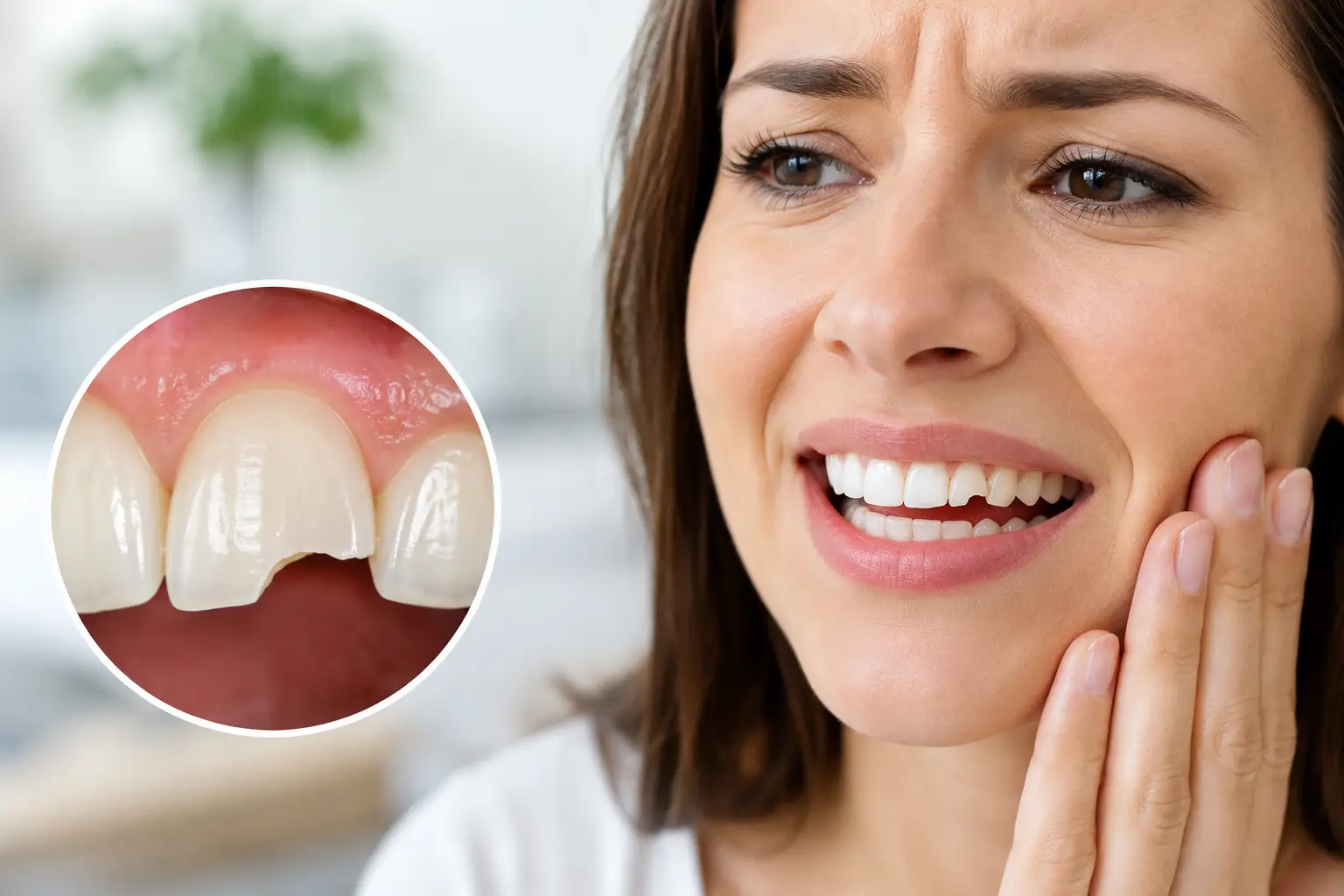
At Onyx Dentistry, the goal is to make routine care approachable for children, adults, seniors, and busy families while offering the broader care you may need if a concern is found. If a cleaning reveals a cavity, gum issue, broken restoration, or urgent source of pain, you can discuss next steps with a team that provides preventive, restorative, periodontal, surgical, and emergency dental care in one local setting.
Make the next visit easier
The best time to book a cleaning is usually before your gums start bleeding, a small concern becomes painful, or your schedule fills up again. Whether you are bringing in a child for an early visit, returning after several years away, or maintaining implants and existing dental work, a calm conversation and regular care can help keep your smile comfortable for the moments that matter most.