The chewing surfaces of back teeth are full of tiny grooves that can hold onto food and bacteria, even when brushing is done carefully. Dental sealants for cavity prevention are a simple way to protect those hard-to-clean areas before decay starts. For many children, teens, and cavity-prone adults, this quick preventive treatment can make a meaningful difference between a healthy molar and a future filling.
What are dental sealants?
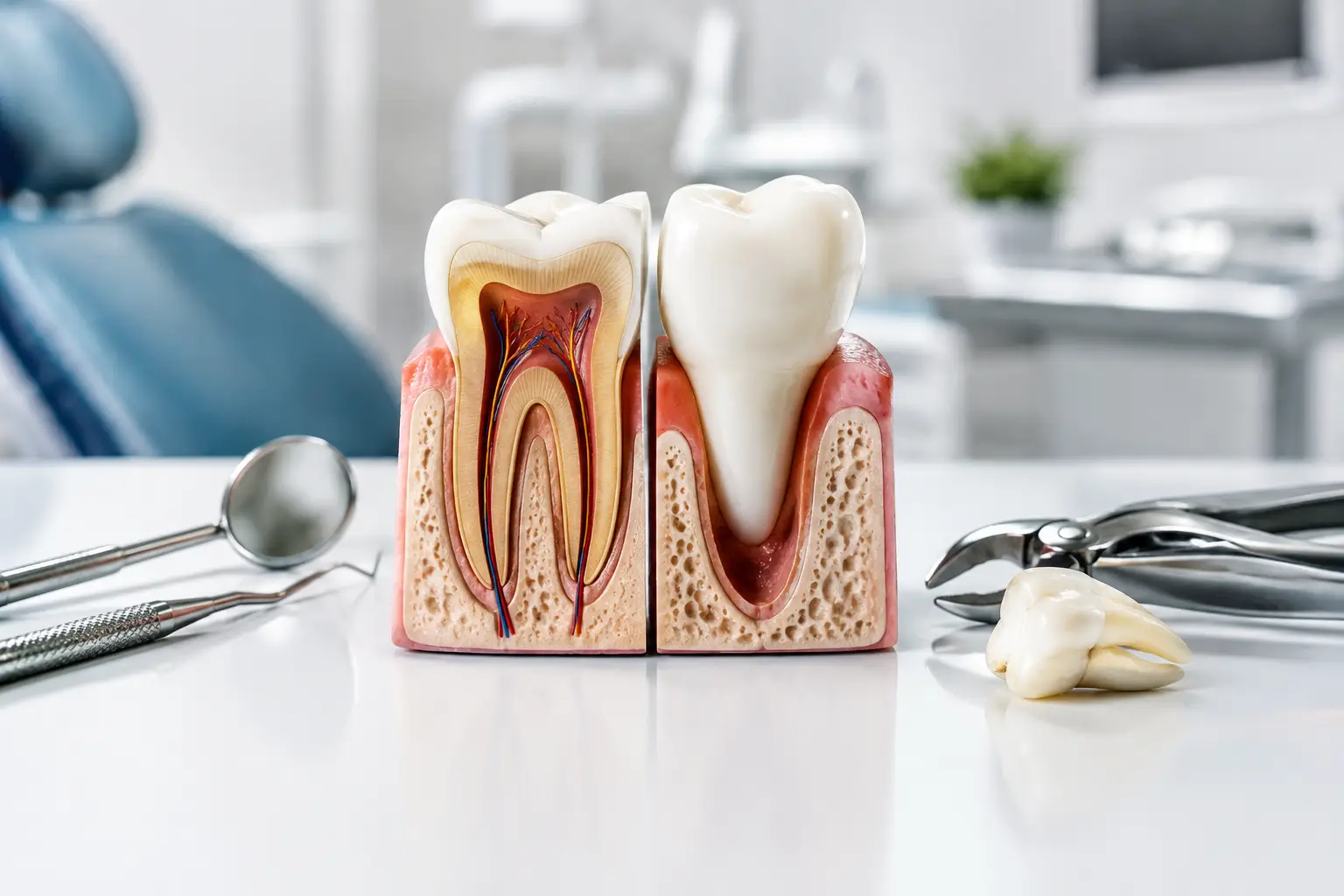
A dental sealant is a thin, protective coating placed on the chewing surface of a tooth, most often a premolar or molar. These back teeth have pits and fissures that are naturally narrow and uneven. Toothbrush bristles may not reach the bottom of every groove, allowing plaque and bacteria to remain there.
The sealant flows into those grooves and is hardened in place, creating a smoother surface. It acts as a barrier between the tooth enamel and the bacteria, sugars, and food particles that contribute to cavities.
Sealants are usually clear, white, or slightly tinted. They are designed to be subtle and do not change the appearance of a smile. They also do not require drilling into a healthy tooth or removing tooth structure.
How dental sealants for cavity prevention help
Cavities develop when bacteria in plaque use sugars from food and drinks to produce acids. Over time, those acids can weaken enamel. The deep grooves on molars are especially vulnerable because they trap plaque easily and are difficult to clean thoroughly.
Sealants reduce that exposure by covering the grooves where decay is most likely to begin. They are not a substitute for brushing, flossing, fluoride, or regular dental visits. Instead, they add another layer of protection in an area where even excellent home care can have limits.
This matters because a small cavity can grow quietly. A child may feel no pain while decay is developing in a molar. Finding and preventing early decay can help avoid the need for a filling, and may reduce the risk of more involved treatment later if a cavity reaches the deeper part of the tooth.
Who can benefit from sealants?
Sealants are commonly recommended for children once their permanent back teeth come in. The first permanent molars often erupt around age six, while second molars commonly appear around age 12. Applying sealants soon after these teeth have fully erupted can protect them during years when children are still developing consistent brushing habits.
Teens can benefit too, particularly if they have deep grooves in their molars, a history of cavities, orthodontic appliances that make cleaning harder, or frequent exposure to sugary snacks and drinks.
Adults may also be good candidates. Sealants are not only for children. An adult with deep, cavity-prone grooves and no existing decay or filling on the chewing surface may benefit from treatment. The recommendation depends on the condition of each tooth, overall cavity risk, oral hygiene habits, diet, fluoride exposure, and past dental history.
A dentist will assess whether a sealant is appropriate. If there is already decay, a crack, or an existing restoration in the area, a different treatment may be the better choice.
What happens during a sealant appointment?
The process is gentle, fast, and usually completed during a routine preventive visit. No freezing is typically needed because the tooth is not drilled.
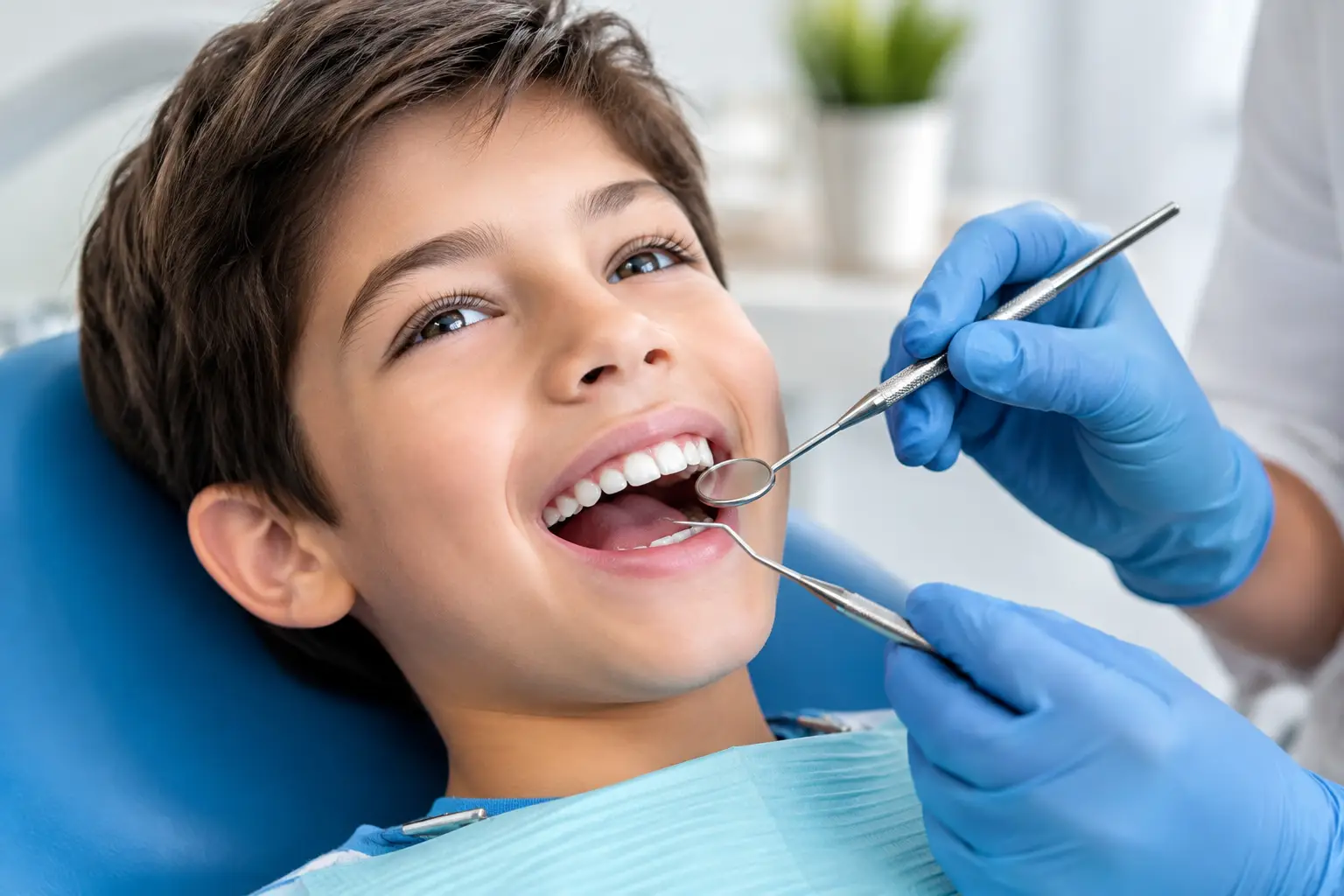
First, the tooth is cleaned and dried. A conditioning solution is then placed on the chewing surface briefly so the sealant can bond securely. The tooth is rinsed and dried again before the liquid sealant is applied to the grooves. A curing light hardens the material in seconds, and the dental team checks that the bite feels comfortable.
Most patients find the appointment easy, including young children who may feel nervous about dentistry. The key is helping them know what to expect: their tooth is being cleaned, painted with a protective coating, and checked. There should be no pain during the procedure.
How long do sealants last?
Dental sealants can last for several years, but they are not permanent. Everyday chewing, natural wear, grinding, and changes in the tooth can cause a sealant to chip or wear down over time.
At regular checkups, the dentist can examine each sealed tooth and confirm that the coating is intact. If a sealant has worn away or partially detached, it can often be repaired or replaced. Keeping routine examinations and hygiene appointments is what makes preventive care work over the long term.
A sealant can still be worthwhile even if it eventually needs replacement. Its job is to protect the tooth during the period when it is most vulnerable. Think of it as a targeted preventive measure, not a one-time guarantee against all future dental problems.
Sealants, fluoride, and brushing: why all three matter
Families sometimes ask whether sealants are necessary if they already use fluoride toothpaste. The answer is that these tools protect teeth in different ways.
Fluoride helps strengthen enamel and can support early remineralization. Brushing twice daily with fluoride toothpaste removes plaque from accessible tooth surfaces. Flossing cleans between teeth, where a toothbrush cannot reach. Sealants specifically protect the grooves on the chewing surfaces of molars.
Together, these habits provide broader protection. A sealed molar can still develop decay around the edges of the sealant or between teeth if plaque remains there, so daily home care continues to matter.
Diet also plays a role. Constant sipping on sweetened drinks, frequent snacking, and sticky foods can keep teeth exposed to acid for longer periods. Water, balanced meals, and limiting frequent sugary treats can help lower cavity risk for both children and adults.
Are dental sealants safe?
Sealants have been used in dentistry for decades and are widely used as a preventive treatment. Your dental team can discuss the materials used, answer questions about your child’s individual needs, and recommend an approach based on a clinical examination.
As with any dental treatment, the decision should be personal. A patient with shallow grooves, low cavity risk, and strong home care may have different needs than a child who has already had several cavities. The goal is not to treat every tooth automatically. It is to protect teeth where the expected benefit is clear.
When should your family ask about sealants?
It is a good idea to ask at a child’s regular exam when new permanent molars are erupting. Parents may not notice these teeth right away because they come in behind the baby teeth rather than replacing one. A dental exam can identify when the chewing surface is accessible and ready for assessment.
Adults can also ask if they have recurring cavities in their back teeth or have been told they have deep fissures. Digital X-rays and a clinical examination help identify decay that may not be visible at home and guide a personalized prevention plan.
At Onyx Dentistry, preventive visits are an opportunity to look at the whole picture: cavity history, gum health, brushing habits, diet, fluoride needs, and the condition of every tooth. Direct insurance billing and Canadian Dental Care Plan acceptance may also help make routine preventive care easier to manage for eligible patients.
A sealant appointment may be brief, but protecting a healthy molar early can support years of more comfortable, confident smiles. If you are unsure whether sealants are right for you or your child, a routine dental examination is a calm, practical place to start that conversation.