
A missing tooth can change more than the way a smile looks. You may notice food catching in the space, a change in how you chew, or hesitation when speaking or smiling. The best missing tooth options are not identical for every patient. The right choice depends on where the tooth was, the health of nearby teeth and gums, the amount of bone available, your priorities, and your budget.
A thoughtful dental assessment can make the decision feel far less overwhelming. At Onyx Dentistry, treatment planning starts with listening to your concerns and examining the whole picture, not simply filling a gap. Whether you lost a tooth recently, have lived with the space for years, or need an extraction, there are reliable ways to restore comfort and function.
Why replacing a missing tooth can protect your oral health
Some people can manage well after losing a tooth, especially if it is near the back of the mouth. Still, leaving a space untreated can create gradual changes. Nearby teeth may drift or tilt toward the gap, which can affect your bite and make cleaning more difficult. The tooth opposite the space may also move because it no longer has a matching tooth to bite against.
When a tooth is missing, the jawbone in that area no longer receives the same chewing stimulation. Over time, bone volume can shrink. This does not mean every missing tooth creates an urgent problem, but it is one reason early advice is helpful. Replacing a tooth can support everyday eating, clearer speech, facial balance, and long-term bite stability.
If the tooth was lost because of decay, gum disease, trauma, or infection, the cause matters too. Before choosing a replacement, your dentist may recommend treating active gum concerns, removing infection, or protecting the surrounding teeth.
The best missing tooth options explained
Modern tooth replacement is not one-size-fits-all. Dental implants, bridges, and dentures can all be excellent treatments when they are matched to the patient’s needs.
Dental implants
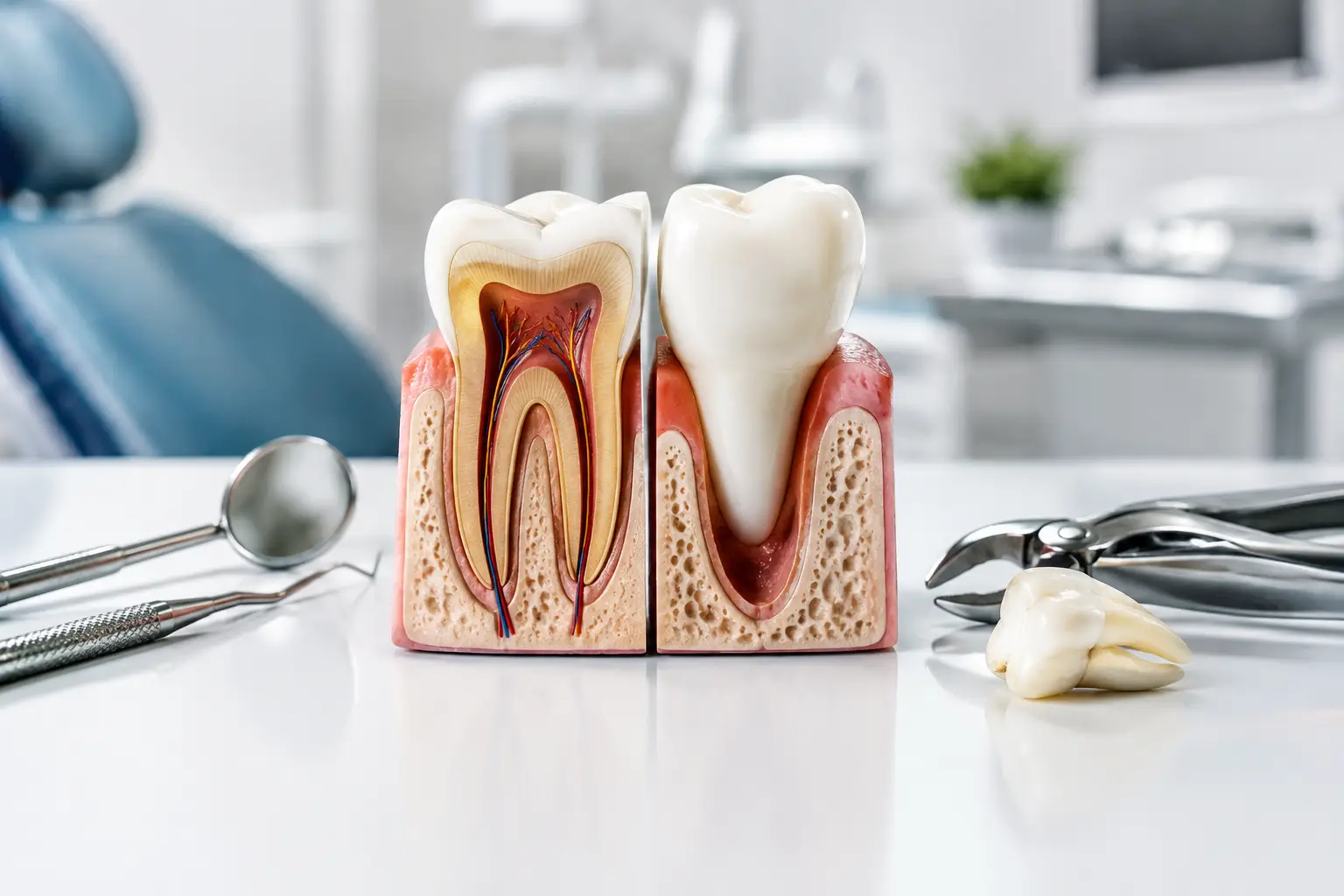
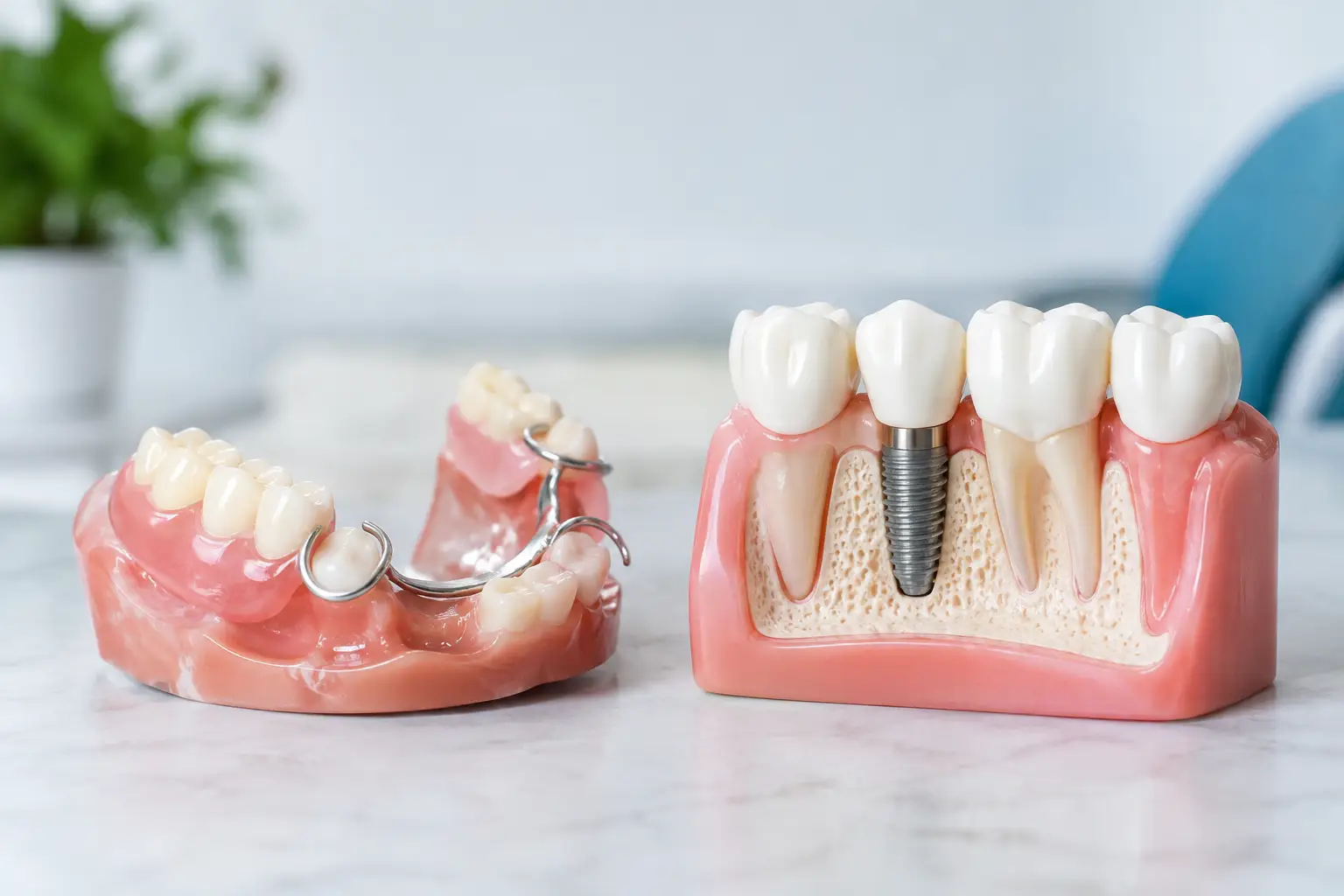
A dental implant replaces the root of a missing tooth with a small titanium post placed in the jawbone. Once the area has healed and the implant is stable, a custom crown is attached. The result is a fixed tooth replacement that is designed to look, feel, and function much like a natural tooth.
For many adults, an implant is a strong long-term option because it does not require shaping the teeth beside the gap. It can also help maintain bone in the implant area. Implants may replace one tooth, support several replacement teeth, or help secure a full denture.
An implant requires enough healthy bone and gums to provide support. If bone has been lost, bone grafting may be recommended before or during treatment. Healing takes time, so implants are not always the fastest route to a finished tooth. Medical history, smoking or vaping, gum health, oral hygiene, and bite forces all influence whether implants are suitable. A detailed examination and digital imaging help determine the safest plan.
Dental bridges
A dental bridge fills a gap by joining a replacement tooth to crowns placed on the teeth beside it. In some situations, a bridge may also be supported by implants. A traditional bridge is fixed in place, so it cannot be removed at home, and it can restore chewing ability and the appearance of a complete smile.
A bridge is often a practical choice when the neighbouring teeth already need crowns because of large fillings, wear, cracks, or decay. It can usually be completed sooner than an implant and does not involve placing a post in the jawbone.
The trade-off is that a conventional bridge generally requires the adjacent teeth to be prepared for crowns, even if they are otherwise healthy. It also does not stimulate the jawbone beneath the missing tooth in the same way an implant does. Careful brushing and flossing under the replacement tooth are essential to keep the supporting teeth and gums healthy.
Partial dentures
A removable partial denture replaces one or more missing teeth using a custom appliance that rests on the gums and is supported by remaining teeth. It may use discreet clasps or precision attachments, depending on the design. Partial dentures are often considered when several teeth are missing or when a fixed treatment is not the right fit.
This option can be more affordable initially than multiple implants or a larger fixed bridge. It can also be made without extensive alteration of nearby teeth. Modern materials allow for natural-looking teeth and gum-coloured bases, although there is still an adjustment period. Some patients notice bulk, movement, or changes in speech at first, particularly with a new appliance.
A partial denture should be removed for cleaning and while sleeping unless your dentist gives different instructions. It also needs regular checkups, since the fit can change as gums and bone change over time.
Complete dentures and implant-supported dentures
When all teeth in an upper or lower arch are missing, a complete denture can restore the ability to eat, speak, and smile with confidence. A conventional denture rests on the gums and is removable. It is a well-established solution, particularly for patients who need an efficient and accessible way to replace many teeth.
Lower dentures can sometimes feel less stable because the tongue and moving muscles of the mouth affect their fit. Dental implants can provide added retention by allowing a denture to snap onto implant attachments. In some cases, a fixed full-arch restoration may be considered. These options involve surgery and a higher investment, but many patients value the improved stability and chewing confidence.
How to choose the right treatment for your situation
The best choice is usually the one that balances health, comfort, timing, and cost rather than the one that sounds most advanced. Start with the condition of your mouth. Healthy gums and a stable bite create a better foundation for any restoration. If gum disease is present, periodontal treatment may be needed first.
Then consider the location of the missing tooth. A front tooth has high cosmetic and speech demands. A molar must withstand stronger chewing forces. The teeth beside the space may make a bridge sensible, while a single healthy gap may make an implant especially appealing.
Your timeline also matters. After an extraction, some patients can receive a temporary replacement while healing takes place. Others may be candidates for an immediate implant, but this is decided case by case based on infection, bone quality, and bite. A temporary option can protect appearance and comfort while a permanent plan is underway.
Cost deserves an open conversation as well. The upfront cost of an implant is often higher than a bridge or partial denture, while its long-term benefits may make it worthwhile for some patients. Insurance coverage varies by plan. Asking about direct insurance billing, the Canadian Dental Care Plan, and available payment options early can help you make a decision with fewer surprises.
What happens during a missing-tooth consultation
A consultation should give you clarity, not pressure. Your dentist will review your medical and dental history, examine your teeth and gums, and take digital X-rays or other imaging when needed. This helps identify infection, bone levels, decay, bite concerns, and the condition of the teeth around the missing space.
You should leave knowing which options are clinically appropriate, what each treatment involves, how long it may take, and what ongoing care is required. If anxiety has kept you from seeking treatment, say so. Gentle pacing, clear explanations, and a step-by-step plan can make restorative care feel manageable.
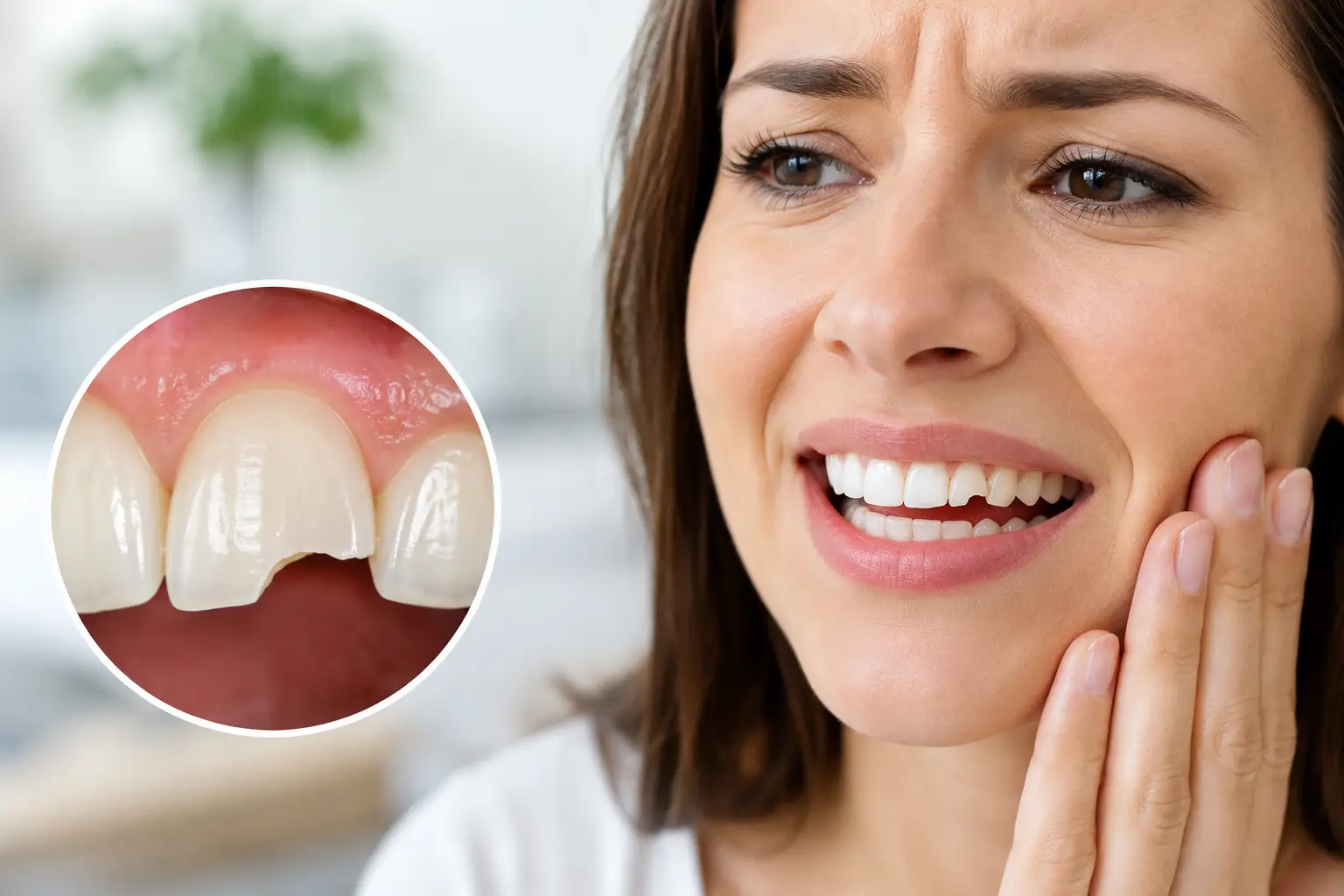
If a tooth is broken, painful, loose, swollen, or has been knocked out, seek dental care promptly. Fast assessment can sometimes protect the tooth or prevent a developing infection from becoming more serious.
A missing tooth does not have to become the part of your smile you plan around. Book an assessment when you are ready, ask every question on your mind, and choose a solution that supports the way you want to eat, speak, and smile each day.