
A severe toothache at 9 p.m. is not the moment most people want to begin comparing clinics. Yet emergency dentistry patient reviews can offer useful reassurance when you need fast care for pain, swelling, a broken tooth, or a dental infection. The most helpful reviews do more than say a clinic was good. They describe whether patients felt heard, how quickly they were assessed, whether treatment and costs were explained clearly, and how they felt after leaving.
For families in Vaughan, Thornhill, and nearby communities, reviews are one part of choosing a dental home that can help in urgent moments and support your oral health long after the immediate problem is treated. Knowing what to look for can make a stressful decision feel more manageable.
What Emergency Dentistry Patient Reviews Can Tell You
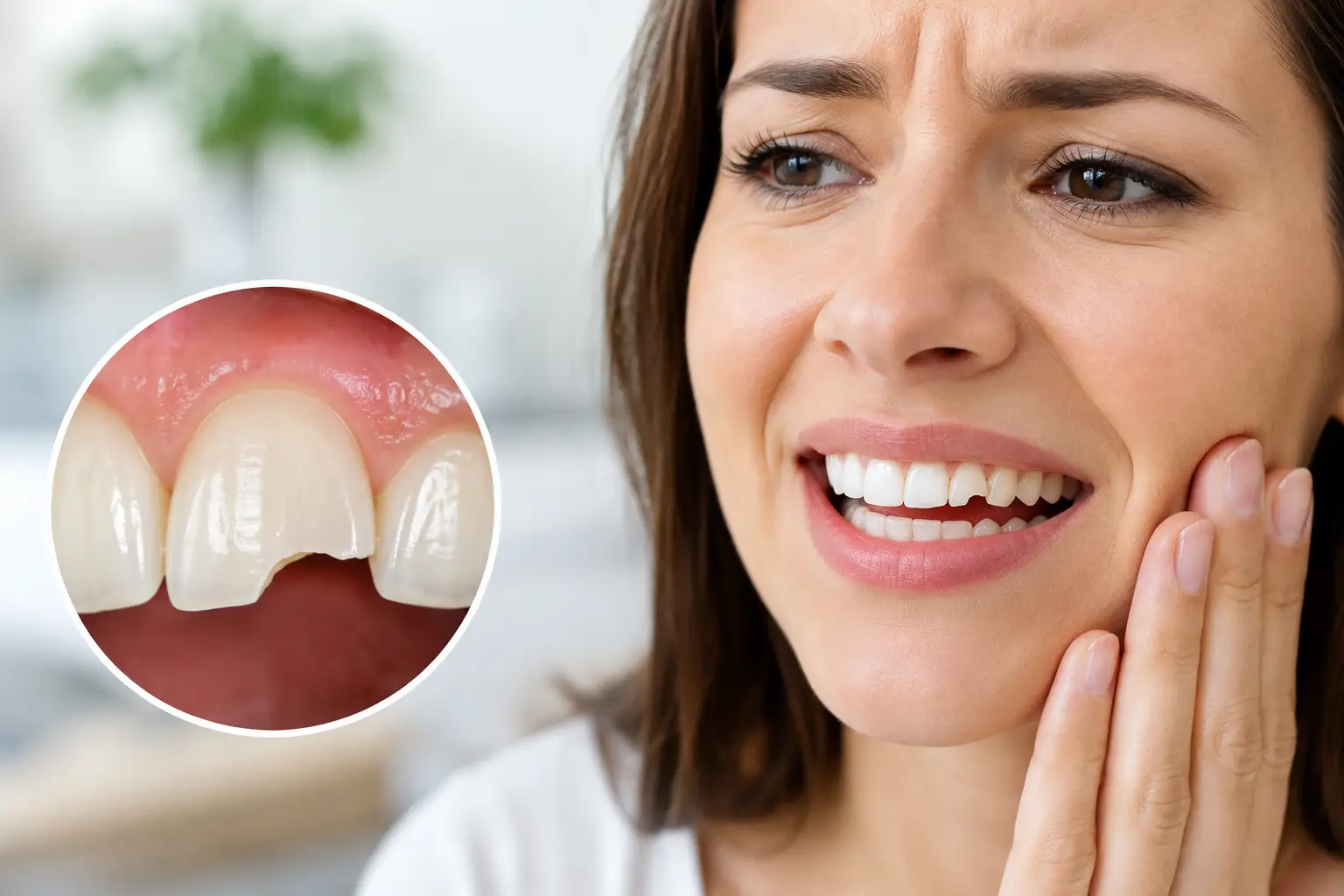
A dental emergency can look different from one person to the next. A child may chip a front tooth during sports. An adult may wake up with facial swelling or lose a filling before an important work meeting. A senior may have pain around a crown, denture, or implant. The urgency is personal, but the qualities of good emergency care are consistent.
Patient reviews can give you a sense of how a clinic responds under pressure. Look for details about prompt appointment availability, calm communication, gentle treatment, and clear next steps. A review that says the team made room for a patient with significant pain, explained the cause of the problem, and provided a plan for relief is generally more useful than a short star rating alone.
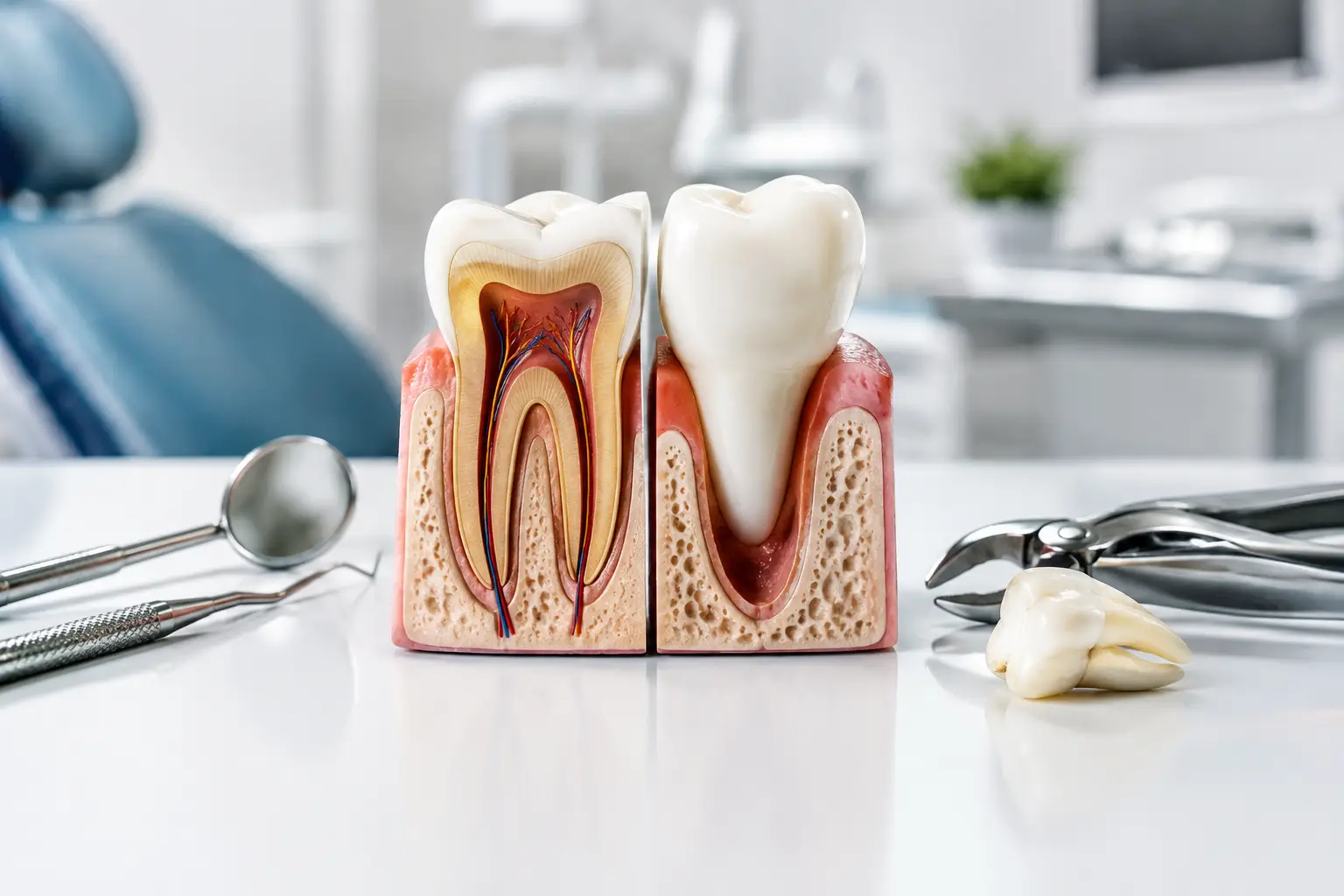
Reviews may also show whether a practice takes time to look beyond the immediate symptom. Pain relief matters, but a cracked tooth, abscess, loose restoration, or gum infection often needs follow-up care. A clinic that can provide examinations, digital X-rays, restorative treatment, periodontal care, extractions, and surgical services may be better positioned to coordinate care without sending a patient from office to office.
Read for Specific Details, Not Just Star Ratings
High ratings are encouraging, but context matters. A five-star review from someone describing a routine cleaning does not necessarily tell you how the clinic handles an urgent infection or a traumatic dental injury. When reading emergency dentistry patient reviews, focus on experiences that resemble the concern you may be facing.
Useful details often include how the patient was welcomed, whether the dentist explained options in plain language, and whether the team checked in after treatment. For anxious patients, comments about patience, comfort measures, and a non-judgmental approach can be especially meaningful. People sometimes delay care because they are embarrassed about the condition of their teeth or worried about cost. A supportive clinic should make it easier to seek help, not harder.
Also pay attention to whether reviews mention realistic expectations. Emergency treatment may involve stabilizing a problem first, then completing a permanent restoration at a later visit. For example, a dentist may place a temporary filling, drain an infection when appropriate, prescribe medication when clinically indicated, or remove a severely damaged tooth. The right solution depends on the examination, X-rays, symptoms, and overall health of the tooth.
Signs of a Patient-First Emergency Experience
The strongest reviews often describe how a patient felt throughout the visit. In an emergency, people want to know that someone will take their pain seriously and explain what is happening without rushing or using confusing terminology.
Look for a pattern of comments about clear communication. This can include discussing the treatment recommendation, alternatives when they are clinically appropriate, expected timelines, and fees before moving ahead. Dental emergencies can be unpredictable, and the final treatment can depend on what the dentist finds. Still, patients should understand the likely costs and the reason behind each recommendation.
Convenience matters too. Same-day emergency availability, a location that is practical to reach, direct insurance billing, and acceptance of the Canadian Dental Care Plan can reduce barriers at a difficult time. These services do not replace clinical skill, but they can make urgent treatment more accessible for busy parents, working adults, and seniors managing a fixed budget.
A review that mentions respectful care for children is another positive sign for families. Dental injuries and sudden tooth pain can frighten a child, and the way the first emergency visit is handled can shape how they feel about dental care in the future. A calm explanation and a gentle pace can make a real difference.
What Reviews Cannot Tell You on Their Own
Online reviews are helpful, but they cannot diagnose your condition or tell you whether it is safe to wait. A person with mild sensitivity may have had a very different situation from someone with swelling, fever, trauma, or difficulty swallowing. If you have severe pain, facial swelling, uncontrolled bleeding, a knocked-out tooth, or signs of infection, contact a dental professional promptly rather than waiting to research every option.
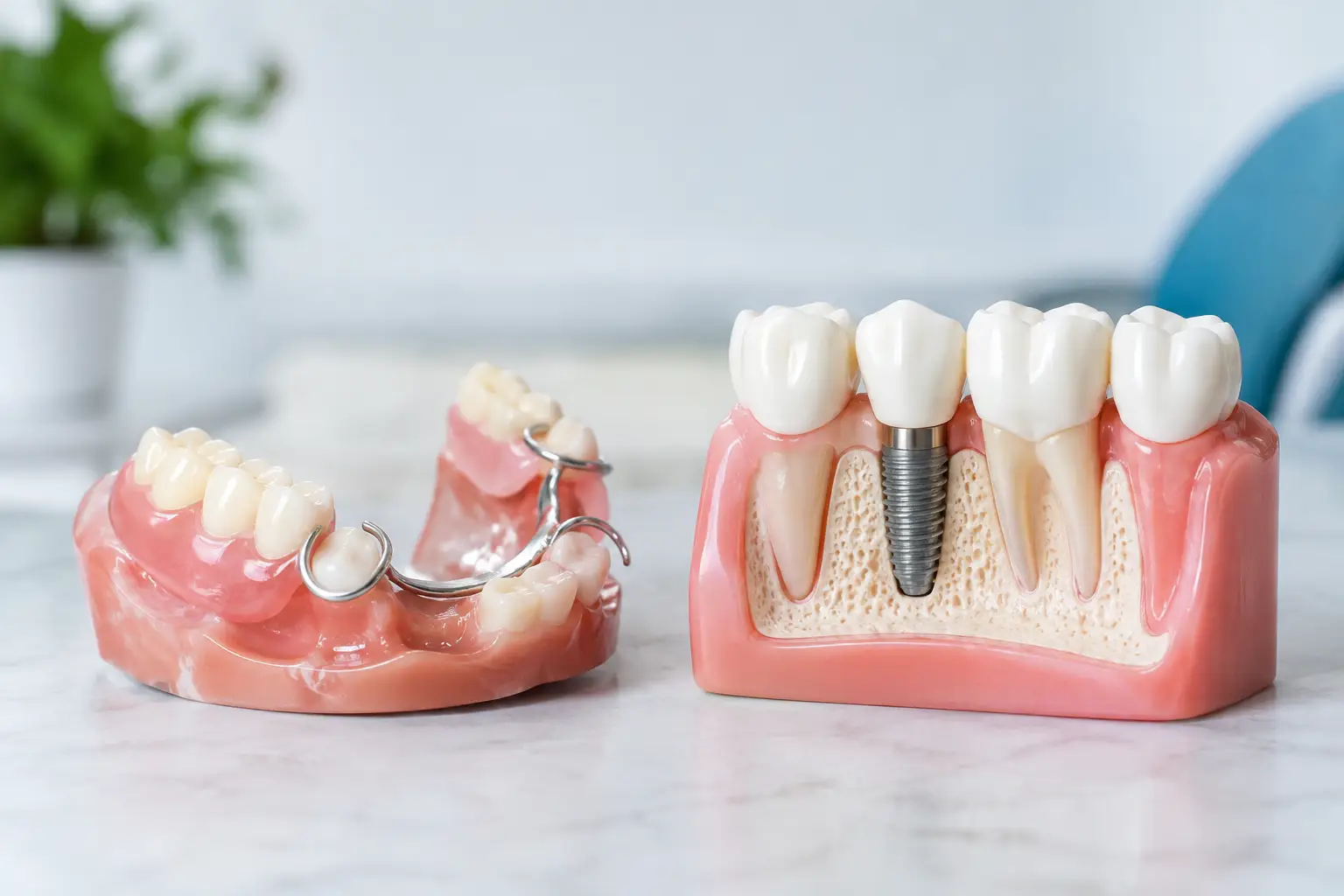
Reviews also cannot tell you whether a treatment is right for your mouth. A root canal may save one damaged tooth, while another may need extraction and replacement with a bridge or dental implant. Your dentist should recommend care based on your examination and long-term oral health, not on what worked for a reviewer online.
It is also wise to read a range of feedback. Every practice may receive an occasional negative review, particularly when a patient is already in pain or frustrated by an unexpected dental problem. Consider how the clinic responds, if a response is available, and whether the overall feedback shows a consistent commitment to respectful service and clear communication.
Questions to Ask Before You Need Emergency Care
If you are comparing local dental clinics now, a few practical questions can help you prepare. Ask whether the office offers same-day emergency appointments, what happens if you call with urgent symptoms, and whether the team can provide X-rays and treatment on site. You can also ask about direct insurance billing, CDCP acceptance, and how estimates are discussed before treatment.
For families, it is helpful to know whether one clinic can care for both children and adults. A practice that offers preventive visits, restorative care, gum treatment, oral surgery, and emergency dentistry can create continuity when a routine concern becomes urgent. It also means your records, treatment history, and future plan can remain in one place.
At Onyx Dentistry, emergency visits are approached with the same patient-centred care as routine appointments. The priority is to understand the source of discomfort, relieve pain where possible, and explain the treatment plan clearly so patients can make informed decisions about what comes next.
Use Reviews as a Starting Point, Then Trust the Conversation
The best emergency dental experience is not always the one with the quickest fix. It is the one where you are assessed carefully, treated with respect, and given a clear path back to comfort and function. Reviews can point you toward clinics known for those qualities, but your own conversation with the dental team should confirm whether you feel listened to and supported.
If something feels wrong with your teeth, gums, jaw, or mouth, do not wait for the pain to become unbearable. Keep the name of a trusted local dental clinic available, and seek professional advice early. A timely call can turn a frightening dental problem into a clear, manageable next step.