
A dental appointment should not feel like a mystery. If you have been putting off a visit because you are unsure what happens during a dental exam, knowing the steps can make the experience feel much more manageable. Most exams are calm, straightforward, and tailored to your needs, whether you are bringing in a child for a first checkup, managing a sore tooth, or keeping up with routine preventive care.
At Onyx Dentistry, the goal is not simply to look for problems. It is to understand your oral health as a whole, explain what we see in plain language, and help you make practical decisions about your care.
What Happens During a Dental Exam?
A dental exam usually starts with a conversation. Your dental team may ask whether you have noticed tooth sensitivity, bleeding gums, jaw discomfort, bad breath, changes in how your teeth fit together, or concerns about the appearance of your smile. Share anything that has changed, even if it seems minor. A quick twinge when drinking something cold, for example, can help identify a small cavity, a worn filling, gum recession, or a cracked tooth before it becomes more painful.
Your medical history also matters. Certain medications can cause dry mouth, which increases cavity risk. Conditions such as diabetes can affect gum health and healing. If you are pregnant, have had recent surgery, take blood thinners, or have any new health diagnosis, let the team know so your care can be planned safely.
A close look at your teeth and existing dental work
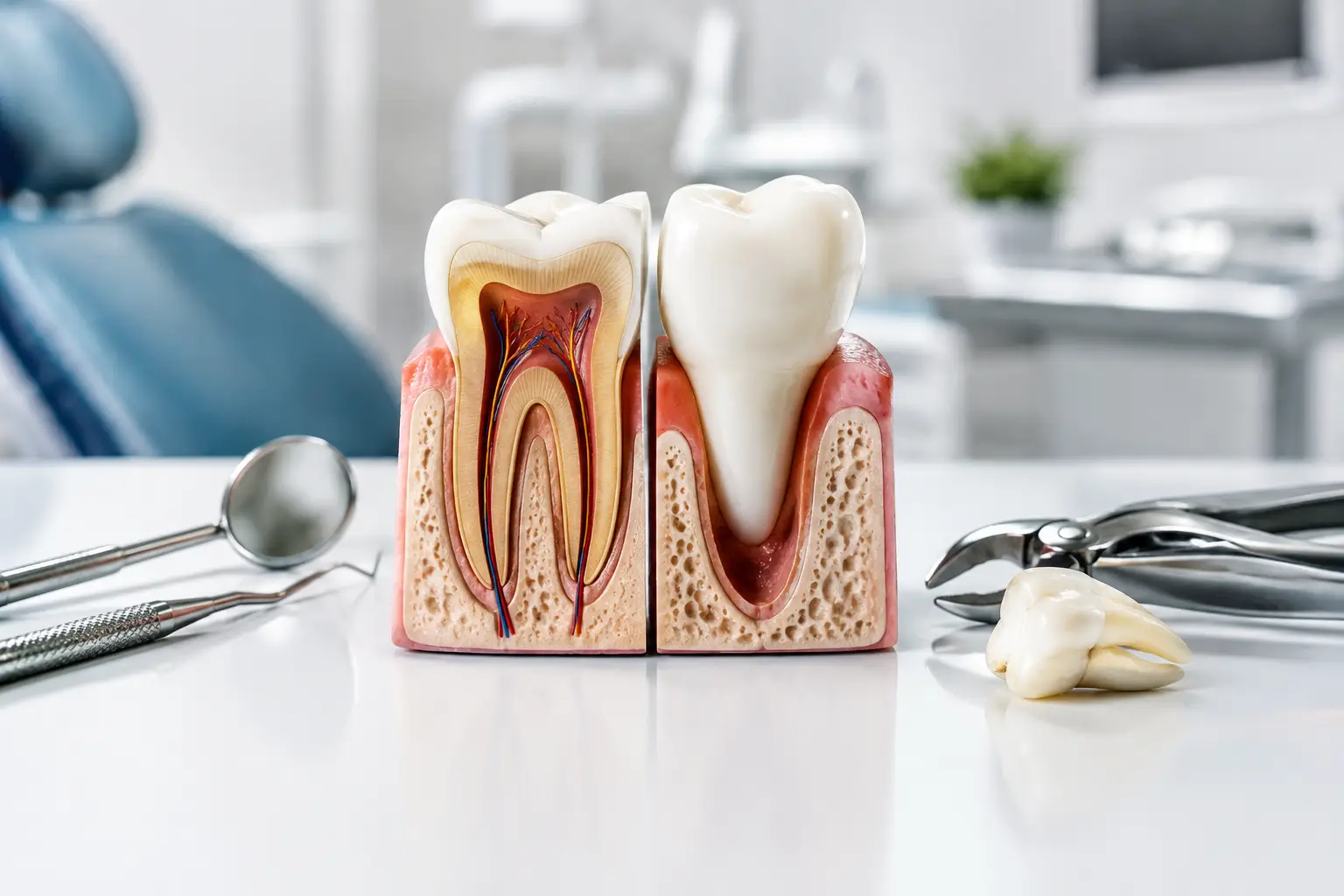
The dentist examines each tooth for signs of decay, cracks, wear, chips, staining, and changes around existing fillings, crowns, bridges, implants, or veneers. They will also look at how your upper and lower teeth meet when you bite. An uneven bite can contribute to worn teeth, jaw strain, headaches, or damage to restorations over time.
This part of the visit is not limited to finding cavities. A tooth can look healthy at first glance but show early wear from clenching or grinding. A filling may still be in place but have a small gap at its edge where bacteria can enter. Spotting these changes early often gives you more conservative, less costly treatment options.
Your gums are checked, too
Healthy gums are the foundation for healthy teeth. During an exam, the dentist or hygienist checks for redness, swelling, bleeding, recession, and plaque or tartar buildup. They may use a small measuring instrument to check the spaces between your gums and teeth, known as periodontal pockets.
Deeper pockets can be a sign of gum disease, particularly when they occur alongside bleeding, bone loss, or loose teeth. Gum disease is common and can progress quietly, so this check is valuable even when your mouth feels fine. If there are signs of periodontal disease, your dentist may recommend more frequent hygiene visits, scaling and root planing, or a focused periodontal treatment plan.
A screening beyond your teeth
A comprehensive dental exam also includes a check of the soft tissues in and around your mouth. The dentist looks at your tongue, cheeks, lips, palate, throat area, and the tissues under your tongue for unusual sores, lumps, colour changes, or areas that do not heal.
They may also gently check your jaw joints and the muscles around your face. Let them know if your jaw clicks, locks, feels sore, or if you wake with tension headaches. These symptoms can be linked to clenching, grinding, bite concerns, or temporomandibular joint issues. Not every click needs treatment, but an assessment helps determine whether monitoring or care is appropriate.
When Digital X-Rays Are Part of a Dental Exam
Digital X-rays allow the dentist to see areas that cannot be fully assessed during a visual exam. They can reveal decay between teeth, infection near a tooth root, bone loss from gum disease, impacted wisdom teeth, problems beneath a filling or crown, and changes around dental implants.
Not every patient needs the same X-rays at every visit. The timing depends on your age, cavity risk, gum health, symptoms, previous findings, and the quality of recent images. A patient with a history of frequent cavities may need images more often than someone with stable oral health and no concerns. If you have tooth pain, swelling, trauma, or a broken tooth, targeted X-rays may be needed right away to identify the cause.
Digital imaging uses a low level of radiation, and your dental team will recommend only what is clinically appropriate. If you are pregnant or think you may be, mention it before X-rays are taken so the team can discuss the right approach for your situation.
Is a Cleaning Included in the Same Visit?
Often, a dental hygiene cleaning and examination happen during the same appointment, but this can vary. A hygienist typically removes plaque and hardened tartar from areas that brushing and flossing cannot fully reach. They may polish your teeth, review brushing and flossing techniques, and talk through habits that affect your oral health, such as frequent sugary drinks, vaping, smoking, or nighttime grinding.
For some patients, a routine cleaning is enough. Others may need a deeper periodontal cleaning because tartar has collected below the gumline. If you have significant gum inflammation, extensive buildup, or a complex medical and dental history, treatment may be scheduled over more than one visit. This is not a sign that you have done something wrong. It simply means your care should match the condition of your gums.
Children may receive additional preventive recommendations, such as fluoride treatment or dental sealants on newly erupted molars. For adults and seniors, the conversation may focus more on gum health, dry mouth, worn teeth, older restorations, or maintaining implants and bridges.
Understanding Your Results and Next Steps
Before you leave, the dentist should explain what they found and what it means for you. If everything looks healthy, you may simply be advised to continue your home care routine and return for your next preventive visit. If treatment is recommended, you should understand the reason, the urgency, and the available options.
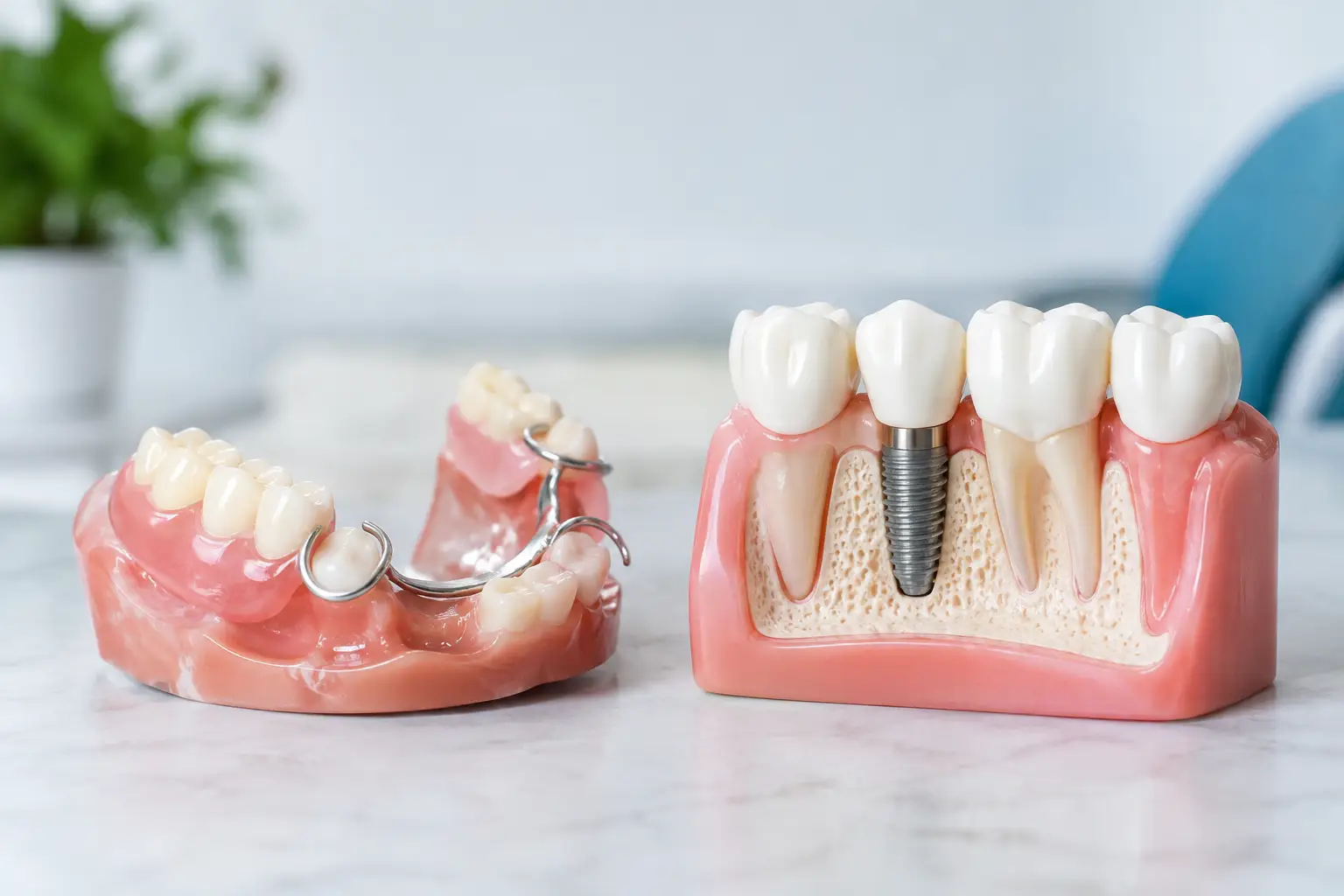
For example, a small cavity may be suitable for a simple filling, while a heavily damaged tooth may need a crown to restore strength and function. A missing tooth may be addressed with an implant, bridge, or another option based on your health, budget, timeline, and goals. There is rarely one right answer for every patient.
Ask questions if anything is unclear. You can ask what may happen if you wait, whether there are alternatives, how many visits are involved, and what your insurance or Canadian Dental Care Plan coverage may help with. A clear treatment plan should respect your priorities, including comfort, cost, appearance, and the need to keep appointments manageable for your family.
What to Do Before Your Appointment
You do not need to prepare extensively for a routine exam. Brush as usual, bring any relevant insurance information, and arrive with a list of medications or questions if that helps. If you are anxious, tell the office when booking and remind the dental team when you arrive. Dental anxiety is common, and small adjustments, such as explaining each step before it happens or taking breaks when needed, can make a real difference.
If you are booking because of pain, swelling, a knocked-out tooth, a broken restoration, or bleeding that will not stop, say so clearly. Those symptoms may require urgent assessment rather than a standard checkup. Same-day emergency dental care can help relieve pain and prevent a dental problem from becoming more serious.
A dental exam is a chance to get answers before discomfort forces the issue. Whether your smile needs only routine maintenance or more focused care, a thoughtful visit gives you a clearer path forward and a team that can help you take the next step with confidence.