
A small space between two front teeth can draw your eye in every photo, even when your teeth are otherwise healthy. Dental bonding for small gaps offers a conservative way to soften or close that space without removing much, if any, natural tooth structure. For the right smile, it can make a noticeable difference in a single appointment.
The right choice depends on more than the size of the gap. Your bite, gum health, tooth shape, habits, and the reason the space developed all matter. A careful dental assessment helps ensure the result looks natural and remains comfortable when you chew, speak, and smile.
What is dental bonding for small gaps?
Dental bonding uses a tooth-coloured composite resin to reshape the visible surface of one or more teeth. The dentist selects a shade that blends with your natural enamel, gently prepares the surface, applies and shapes the resin, then hardens it with a curing light. The material is polished to reflect light more like a natural tooth.
For a small gap, composite may be added to the inside edge of both teeth rather than placing all the material on one side. This approach can keep the teeth looking balanced and prevent one tooth from appearing wider than the other. The aim is not simply to eliminate every millimetre of space. It is to create proportions that suit your smile and facial features.
Treatment commonly takes one visit, often without freezing. If a tooth needs more shaping, or if sensitivity is expected, local anesthetic can be used to keep you comfortable.
When bonding can be a good fit
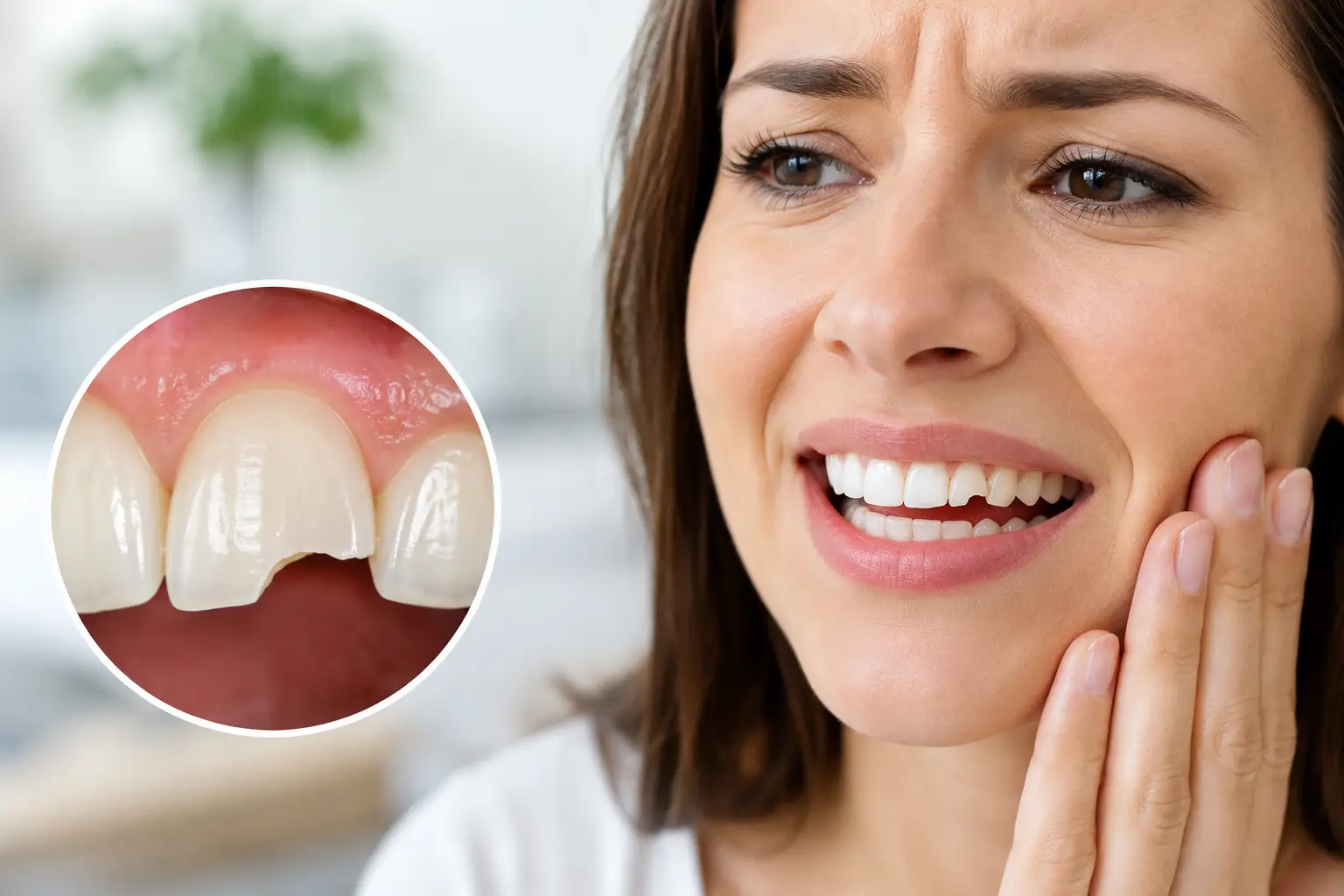
Bonding can be especially helpful for a narrow, stable gap between healthy teeth, particularly the upper front teeth. It may also suit someone who has slightly undersized teeth, uneven tooth edges, or a small chip that makes a space look more obvious.
It is a conservative cosmetic option because it usually requires little enamel reduction. Unlike orthodontic treatment, it does not move teeth. Unlike a veneer, it generally does not require the same degree of tooth preparation. That can make it appealing to adults who want a modest improvement before a wedding, new job, family event, or simply because they are ready to feel more at ease in photos.
Still, bonding is not automatically the best answer just because a gap is small. If teeth are tilted, crowded, or positioned in a way that affects your bite, moving them with orthodontic treatment may produce a healthier, more predictable result. Clear aligners can address the underlying position of teeth rather than only changing their visible width.
What your dentist checks before closing a gap
A gap can be cosmetic, but it can sometimes signal an oral-health or bite concern. Before recommending treatment, your dentist will examine the teeth, gums, and bite and may take digital X-rays when needed.
Gum inflammation or periodontal disease deserves attention first. Gum disease can cause teeth to shift or become mobile, and placing bonding before the condition is controlled may not be a lasting solution. A gap that has recently appeared, widened quickly, or is accompanied by bleeding gums should always be assessed rather than treated as a cosmetic concern alone.
Your bite is equally important. If you grind or clench your teeth, bite edge-to-edge, or place heavy pressure on the front teeth, composite can chip or wear sooner. A custom night guard may be recommended after treatment for people who grind during sleep.
The dentist also considers the space beneath the upper lip, the proportions of neighbouring teeth, and the gumline. In some cases, a thick band of tissue between the front teeth, called a frenum, contributes to a persistent gap. That does not always require treatment, but it is worth evaluating before deciding on bonding or orthodontics.
The benefits and trade-offs of composite bonding
The immediate benefit is clear: bonding can improve the appearance of a small gap quickly while preserving natural tooth structure. Because the resin is added rather than built into a laboratory-made restoration, adjustments and repairs are often more straightforward than they are with porcelain.
Composite also has limitations. It is durable, but it is not as stain-resistant or as hard as natural enamel or porcelain. Coffee, tea, red wine, tobacco, and deeply coloured foods can gradually affect its appearance. It may eventually need polishing, repair, or replacement, especially on biting edges.
Bonding does not whiten when teeth are whitened. If you are considering whitening, it is often best to do that first, then choose the bonding shade after your tooth colour has stabilized. This helps the new resin match your brighter smile from the start.
Cost varies based on how many teeth are treated, the complexity of shaping, and whether other care is needed first. Cosmetic bonding may not be covered by every dental plan, while treatment to repair a chipped tooth may be considered differently. Asking for a written treatment plan before starting gives you a clear understanding of the recommended care and expected fees.
What to expect during and after your appointment
At the appointment, the dentist will confirm the shade and discuss how much of the gap should be closed. This is an important conversation. Closing a gap completely is not always the most natural-looking outcome, especially if doing so would make the front teeth look overly broad.
The tooth surface is lightly conditioned so the composite can adhere. The resin is applied in layers and carefully sculpted. Once it is cured, your dentist checks the shape, smoothness, and bite. You should be able to speak normally and close your teeth comfortably before you leave.
There is usually no downtime. You can eat and drink after the procedure, although it is sensible to avoid biting hard foods directly with bonded front teeth. Avoid using your teeth to open packages, bite fingernails, or hold objects. Those habits can chip both natural enamel and composite.
A short adjustment period is normal because the contour of your teeth has changed. If the bonded area feels rough, catches floss, or makes your bite feel uneven, contact your dental office. A small polish or adjustment can often resolve the issue quickly.
Caring for bonding over time
Good daily care helps composite stay clean and attractive. Brush twice a day with a soft toothbrush and fluoride toothpaste, clean between teeth daily, and keep regular hygiene appointments. Flossing is still essential around bonded teeth, especially at the gumline where plaque can collect.
Choose a non-abrasive toothpaste if possible. Highly abrasive whitening products may dull the polish over time. If surface stains develop, professional polishing may refresh the appearance, although deep staining or wear may require a repair or replacement.
Longevity varies. Some bonding can look good for several years, while other cases need attention sooner because of bite forces, grinding, staining habits, or accidental chips. The advantage is that ongoing care can be planned around what your smile and oral health need, rather than committing every patient to the same timeline.
Bonding, veneers, or orthodontics?
For a small, stable gap, bonding is often the most conservative starting point. Veneers may be considered when there are several concerns at once, such as larger gaps, significant discolouration, worn edges, or a desire to change the shape of multiple teeth. They can offer excellent aesthetics, but they are a more involved treatment and usually require enamel modification.
Orthodontics is often the stronger option when spacing is part of a broader alignment issue or when tooth movement would improve the bite. It takes longer than bonding, but it can treat the cause of spacing rather than mask it. Some patients benefit from a combination approach: orthodontics to position teeth, followed by minimal bonding to refine their final shape.
At Onyx Dentistry, a personalized consultation can look at these options in the context of your full oral health, not just one visible space. Bring up any concerns about sensitivity, grinding, previous dental work, insurance coverage, or timing so your care plan can be realistic as well as cosmetic.
A small gap does not need to be “fixed” unless it bothers you. But if it affects how confidently you smile, a thoughtful assessment can show whether bonding offers the gentle, practical change you have been looking for.