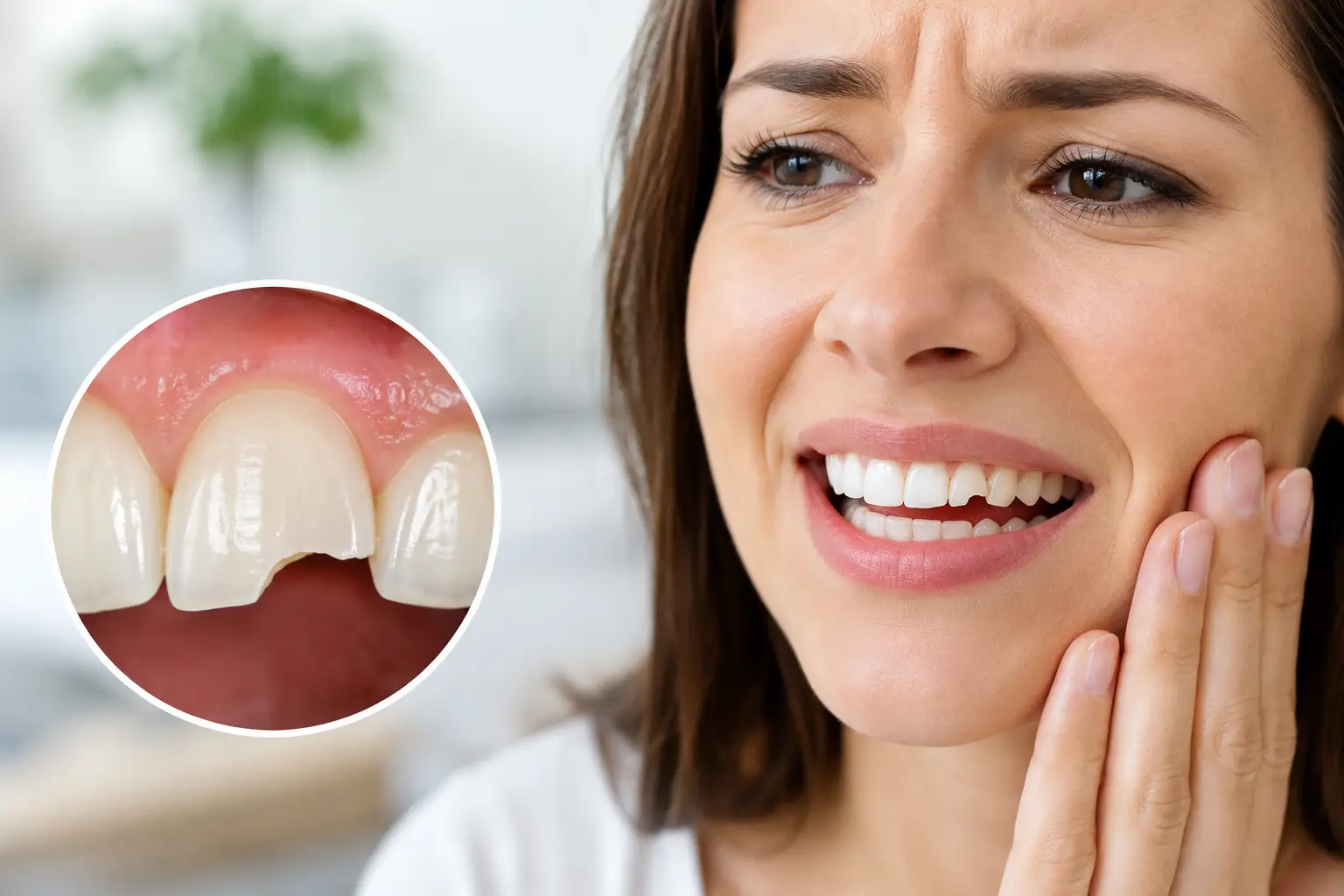
A severe toothache can make every decision feel urgent. When a dentist raises the question of root canal versus extraction, the goal is not simply to stop the pain today. It is to relieve infection, protect your overall oral health, and choose a solution that works for your smile, timeline, and budget.
Both treatments can be appropriate. A root canal is often recommended when a natural tooth can be safely restored. An extraction may be the healthier choice when the tooth is too damaged to save or when infection, fracture, or gum disease has compromised its long-term outlook. A thorough examination and digital X-rays help clarify which path offers the best result.
What a root canal does
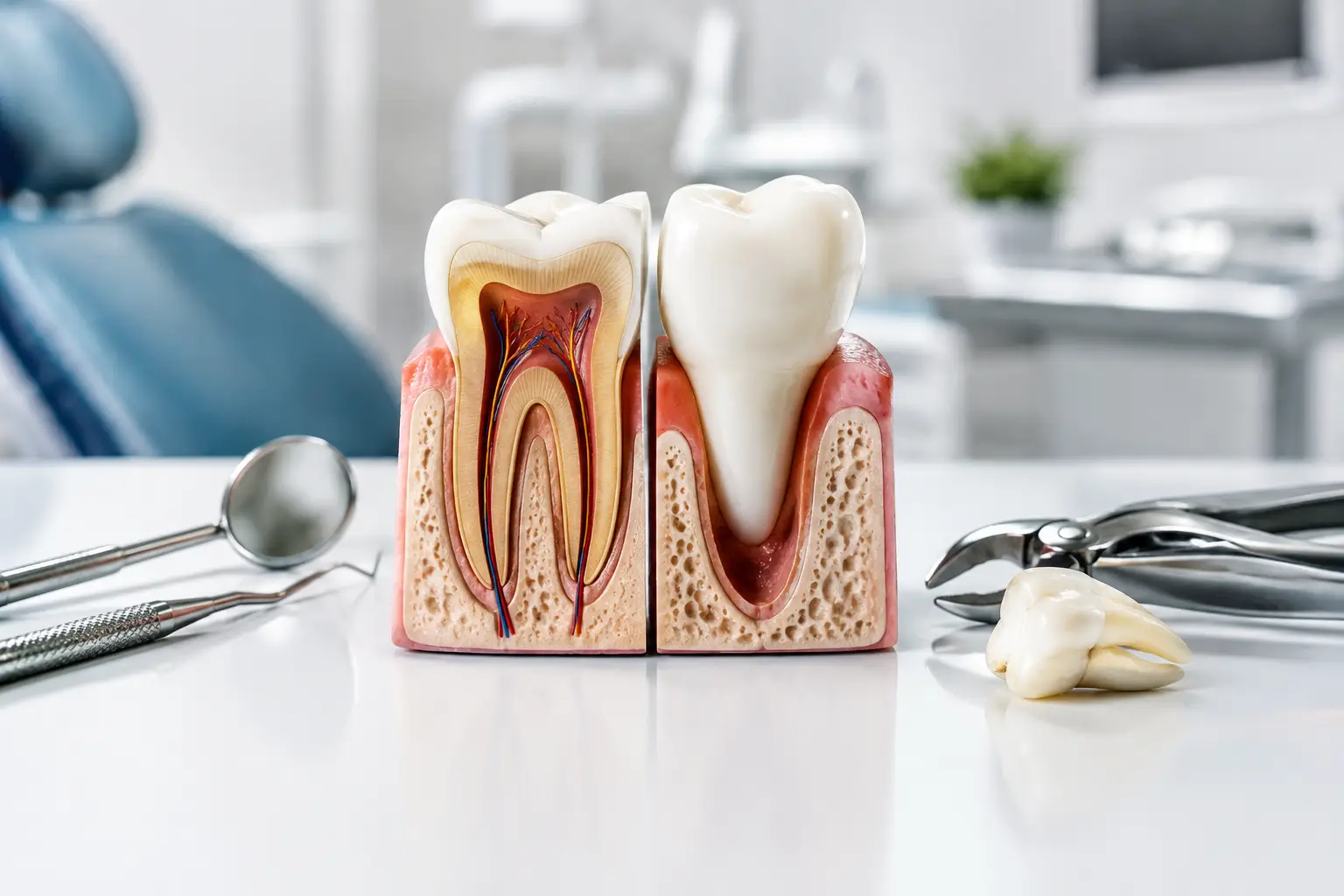
Inside every tooth is soft tissue called pulp. It contains nerves and blood vessels that helped the tooth develop. Deep decay, a crack, repeated dental work, or an injury can allow bacteria to reach this tissue. The result may be inflammation, infection, swelling, or intense sensitivity to hot, cold, and pressure.
During root canal treatment, the infected or damaged pulp is removed. The inside of the tooth is cleaned, disinfected, and sealed. In many cases, a crown is placed afterward to protect the remaining tooth structure and restore normal chewing strength.
Despite its reputation, a root canal is designed to relieve pain, not create it. With local anesthetic and a gentle approach, many patients find the procedure feels similar to having a filling. Some tenderness afterward is normal, particularly if there was significant infection, but it usually improves over the following days.
The main advantage is straightforward: you keep your natural tooth. A natural tooth supports normal chewing, helps preserve the position of neighbouring teeth, and avoids the need to replace a gap immediately.
When extraction may be the better choice
An extraction removes the entire tooth, including its roots. It may be recommended when a tooth cannot be predictably restored, such as when decay extends too far below the gum line, the root has a severe fracture, or there is not enough healthy tooth structure left to support a crown.
Extraction can also be appropriate for advanced gum disease. If the bone and tissues supporting a tooth have been significantly damaged, saving the tooth with a root canal may not address the underlying stability problem. In other situations, a large infection or a failed previous treatment may make removal the more reliable option.
Removing a tooth can provide quick relief from a painful source of infection. However, the decision does not usually end there. Once a tooth is missing, nearby teeth can gradually shift toward the space. Depending on the location of the tooth, this may affect chewing, bite balance, and smile appearance. Bone in the area can also shrink over time because it no longer receives stimulation from the tooth root.
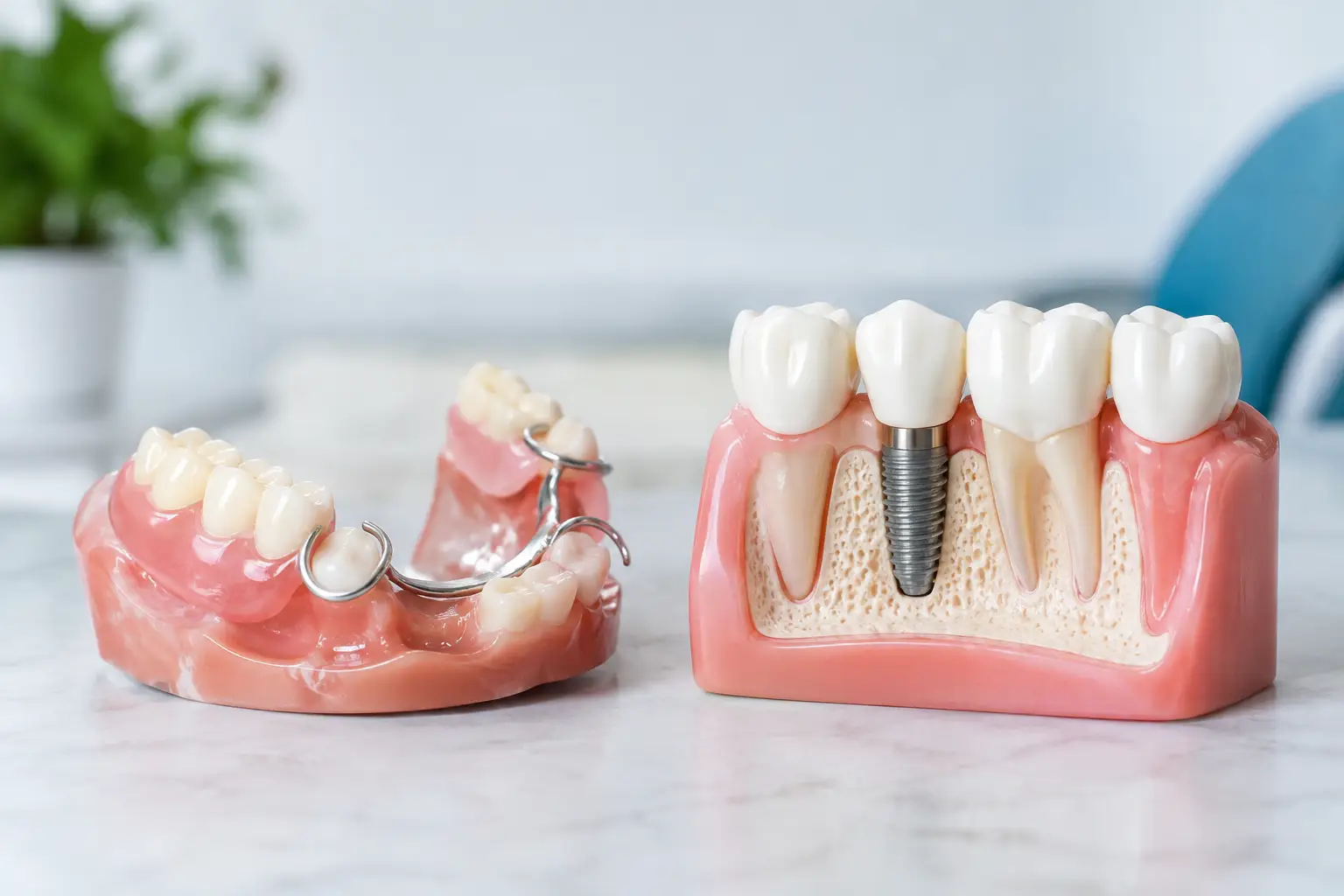
For that reason, extraction is often followed by a discussion about replacement options. A dental implant, bridge, or partial denture may restore function and help maintain the shape of your smile. Not every missing tooth needs the same solution, and treatment planning should reflect your health, goals, and the location of the tooth.
Root canal versus extraction: the key factors
There is no one-size-fits-all answer. Your dentist will look at the condition of the tooth as well as the wider picture of your oral health.
Can the tooth be restored?
This is usually the most important question. A root canal is a strong option when enough healthy tooth remains to support a durable restoration. If decay or a fracture has left the tooth structurally weak beyond repair, extraction may offer a more predictable result.
A vertical root fracture is particularly significant. These cracks often extend below the gum line and can allow bacteria to persist around the root. While some teeth can be treated with specialized care, many require extraction because the crack cannot be sealed reliably.
How healthy are the gums and bone?
A tooth needs healthy support to last. Even a technically successful root canal may not be the right investment if severe periodontal disease has caused substantial bone loss around that tooth. Treating gum disease is essential, whether you keep the tooth or plan for a replacement.
Where is the tooth located?
Back teeth do most of the heavy chewing and often benefit from a crown after root canal treatment. Replacing a missing molar can also be important for maintaining comfortable chewing and bite balance. For a front tooth, appearance and speech may be major considerations, making tooth preservation especially valuable when possible.
Wisdom teeth are a separate case. They are not typically replaced after extraction because they do not usually play an essential role in normal chewing.
What are the costs over time?
Extraction may have a lower upfront cost than root canal treatment and a crown. But if you choose to replace the missing tooth, the total cost can increase. An implant, for example, may involve the implant itself, a crown, and sometimes bone grafting if bone volume needs to be rebuilt.
A root canal and crown can be a worthwhile long-term investment when the tooth has a good prognosis. At the same time, it is reasonable to ask about all expected costs before treatment begins. Insurance coverage varies, and eligible patients may also wish to ask about Canadian Dental Care Plan coverage. Clear estimates help you compare options without pressure.
How quickly do you need relief?
Both treatments can address urgent dental pain. If you have facial swelling, a fever, trouble swallowing, or difficulty breathing, seek urgent dental care immediately. These can be signs that an infection needs prompt attention.
For a painful but restorable tooth, root canal treatment can remove the source of infection while preserving the tooth. If the tooth is non-restorable, extraction may be the fastest route to resolving the problem. In some cases, a dentist may recommend medication or drainage as part of managing infection, but medication alone does not remove the cause inside a damaged tooth.
What recovery looks like
After a root canal, most people return to regular activities the same day. It is wise to avoid chewing hard foods on the treated tooth until the final restoration is in place. A temporary filling or crown is not meant to handle the same force as a permanent crown.
After an extraction, the body needs time to form and protect a blood clot in the socket. Following aftercare instructions is essential. Avoid smoking, vigorous rinsing, and drinking through straws during the early healing period, as these actions can dislodge the clot and lead to dry socket.
Soreness and mild swelling can occur after either procedure. Your dental team can explain appropriate pain relief options, what is normal during healing, and when to call for help. Increasing pain, swelling, persistent bleeding, fever, or an unpleasant taste should be assessed promptly.
Questions worth asking before you decide
A good treatment conversation should leave you feeling informed, not rushed. Ask whether the tooth can be restored predictably, what restoration will be needed after a root canal, and how long each option is expected to last. It is also helpful to ask what happens if you extract the tooth but delay replacement.
If you feel anxious about treatment, say so. Modern dentistry offers ways to make appointments more comfortable, from a clear step-by-step explanation to pacing care around your needs. For families balancing work, school, and unexpected pain, same-day emergency assessment can also make a difficult situation feel more manageable.
At Onyx Dentistry, treatment planning considers more than the X-ray. Your comfort, medical history, daily routine, insurance considerations, and goals for your smile all matter when deciding how to move forward.
A painful tooth deserves timely attention, but it does not require a rushed decision. Book an assessment as soon as possible, ask the questions that matter to you, and choose the treatment that gives your mouth the healthiest, most dependable path ahead.