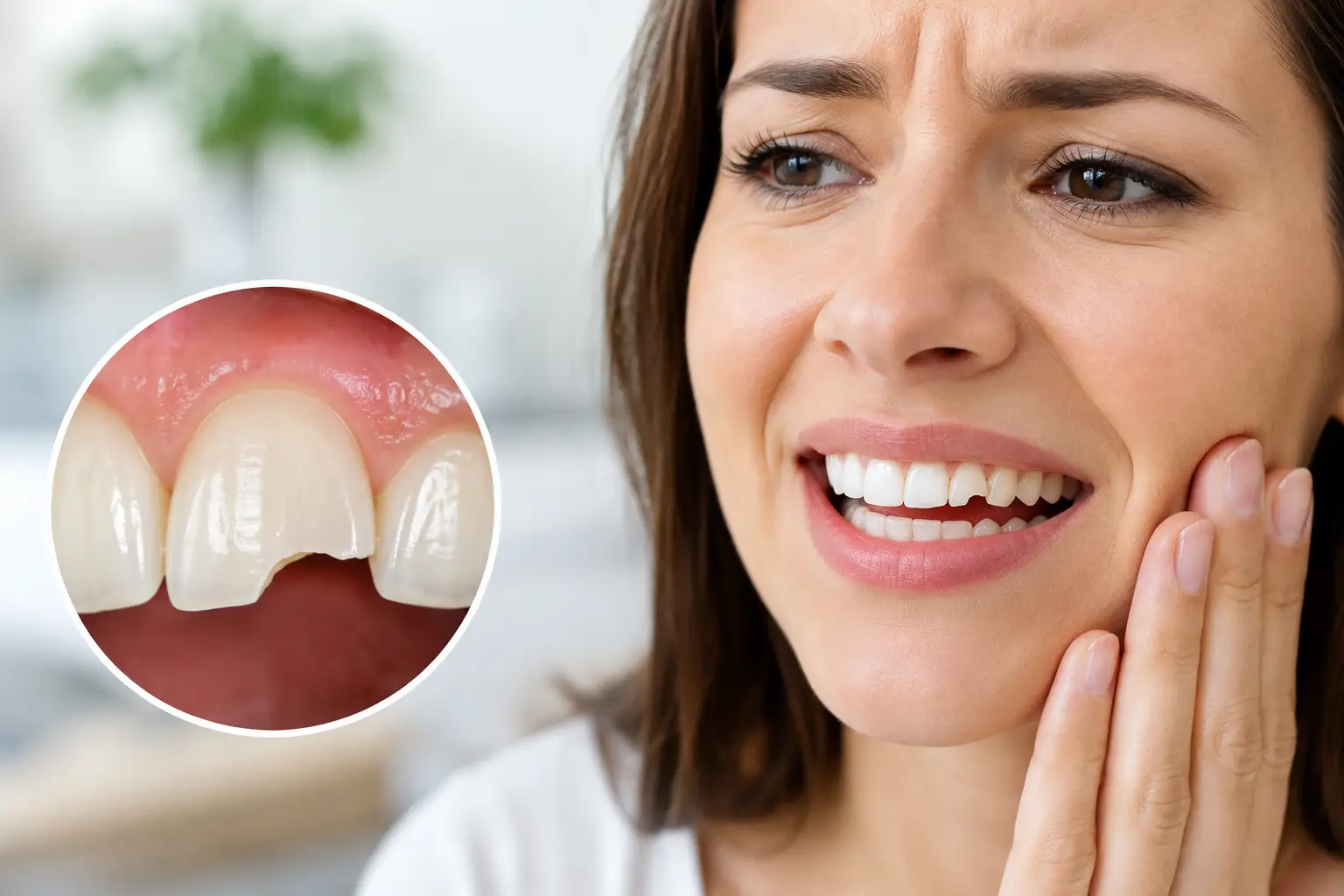
A tooth can break while eating popcorn, opening packaging with your teeth, or biting down on something unexpectedly hard. Even a small chip can feel sharp against your tongue, while a larger break may cause pain, sensitivity, or worry about how the tooth looks. This broken tooth repair guide explains what to do straight away, what to avoid, and how a dentist may restore your tooth safely.
The key is not to wait and see if it settles on its own. A broken tooth does not repair itself, and a crack or missing piece can allow bacteria to reach deeper areas of the tooth. Prompt care can often preserve more of the natural tooth, relieve discomfort, and prevent a more involved treatment later.
Broken Tooth Repair Guide: First Steps at Home
Start by rinsing your mouth gently with warm water. This helps clear away small fragments and keeps the area clean. If you can find the broken piece of tooth, place it in a clean container with milk or saliva and bring it to your appointment. In some situations, especially when a front tooth has broken cleanly, the fragment may be useful to the dentist.
If there is bleeding, apply gentle pressure with clean gauze. A cold pack held against the outside of your cheek for short intervals may reduce swelling and soreness. For pain, use an over-the-counter medicine only as directed on the label and only if it is suitable for you. Do not place aspirin directly on the gum or tooth. It can irritate oral tissues and will not fix the source of the pain.
Until you are seen, chew on the other side of your mouth and choose soft foods. Avoid very hot, cold, sugary, sticky, or crunchy foods, as these can trigger sensitivity or cause the damaged tooth to break further. If a sharp edge is rubbing your tongue or cheek, temporary dental wax may help cover it. Sugar-free chewing gum can be used cautiously for a very short time if dental wax is unavailable, but it is not a substitute for treatment.
A broken tooth needs urgent attention if you have severe or worsening pain, facial swelling, fever, bleeding that will not stop, a loose or displaced tooth, or trouble swallowing or breathing. These symptoms can point to an infection or injury requiring same-day emergency dental care. A knocked-out adult tooth is also time-sensitive. Handle it by the crown, not the root, and seek immediate help.
Why Teeth Break
Teeth are strong, but they are not indestructible. Cavities can weaken the structure from the inside, making a tooth more likely to fracture during everyday chewing. Older fillings may also leave thinner areas of tooth structure around them, particularly when the filling is large.
Grinding or clenching can place repeated pressure on teeth, often causing tiny cracks that gradually worsen. This may happen during sleep without you realizing it. Sports injuries, falls, hard candies, ice chewing, and biting non-food objects can also cause sudden breaks.
Sometimes the break is visible, but not always. A cracked tooth may look normal while causing a sharp pain when you bite or release pressure. Sensitivity to cold, discomfort when chewing, or a recurring ache in one area should be assessed, even if you cannot see a chip. Digital X-rays and a focused examination can help determine how far the damage extends, although very fine cracks do not always show clearly on an X-ray.
How Dentists Repair a Broken Tooth
The right repair depends on the size and location of the break, the condition of the remaining tooth, and whether the nerve inside the tooth has been affected. A personalized examination is the safest way to choose between protecting a tooth and replacing it.
Small chips and rough edges
For a minor chip, smoothing and polishing may be enough. If the chip changes the appearance or shape of the tooth, dental bonding can rebuild the missing area with tooth-coloured composite material. Bonding is conservative and can often be completed in one visit. It is a practical option for many small front-tooth chips, though it can stain or chip over time and may need maintenance.
Larger breaks and lost filling material
When more tooth structure is missing, a larger bonded restoration may restore function and appearance. For some teeth, an inlay or onlay may be recommended. These restorations fit precisely over the damaged section and can preserve more natural tooth than a full crown in the right circumstances.
The choice depends on how much healthy tooth remains and how much biting force the tooth handles. Back teeth absorb significant chewing pressure, so a repair that looks fine on a front tooth may not be durable enough for a molar.
Crowns for protection and strength
A dental crown covers the visible portion of a weakened tooth. It may be recommended when the break is extensive, when a tooth has a large old filling, or when there is a risk that the remaining walls could split. A crown can restore the tooth’s shape, strength, and ability to chew more comfortably.
Crowns are not automatically the answer for every broken tooth. They require reshaping the tooth, so dentists consider whether a more conservative repair can provide reliable protection. When a crown is the better long-term choice, it can help prevent a fracture from progressing below the gumline, where saving the tooth becomes more difficult.
Root canal treatment when the nerve is exposed
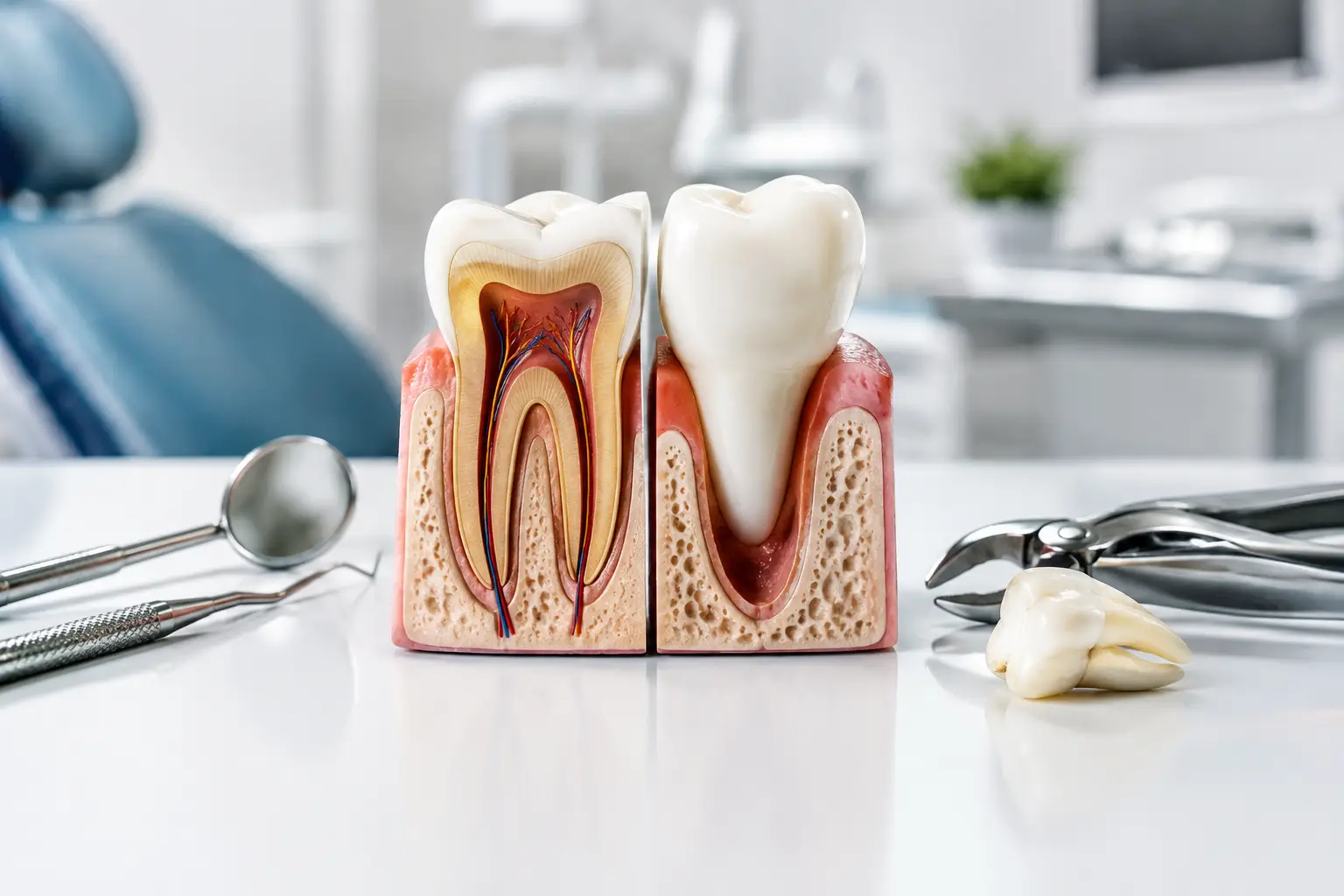
Deep breaks can reach the pulp, the soft tissue inside the tooth that contains nerves and blood vessels. Signs may include lingering sensitivity to heat or cold, spontaneous throbbing pain, or a visible red or pink area in the break. In these cases, root canal treatment may be needed to remove infected or injured tissue before the tooth is restored, often with a crown.
Although root canal treatment has a reputation for being intimidating, its purpose is to relieve pain and retain your natural tooth. Modern numbing techniques and careful treatment planning make the process more comfortable than many people expect.
When extraction and replacement are needed
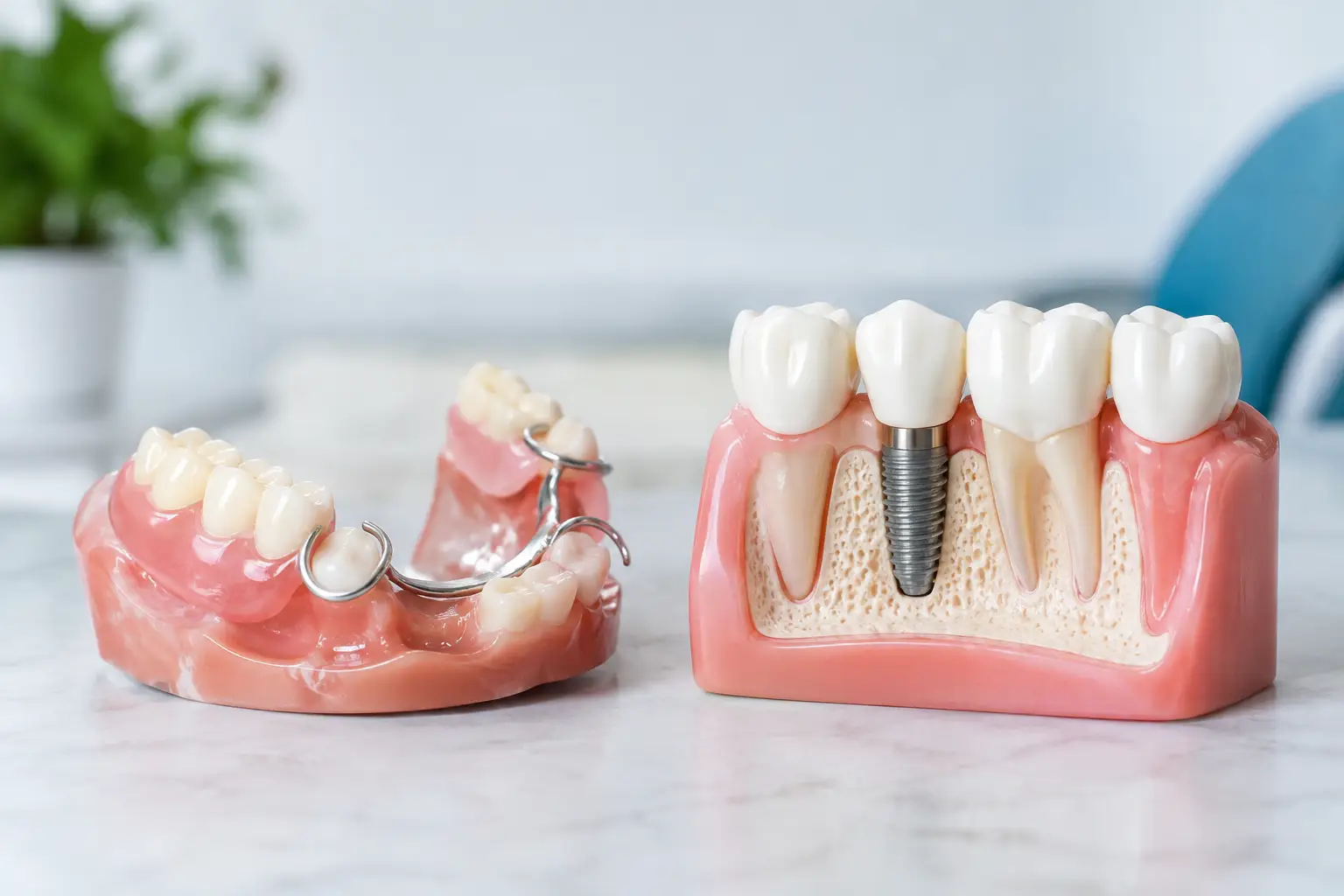
If a tooth is split deeply, fractured below the gumline, or severely infected, it may not be restorable. Extraction is considered only when keeping the tooth is no longer predictable or safe. Your dentist can then discuss replacement options such as a dental implant, bridge, or removable partial denture.
There is no one-size-fits-all replacement. An implant can be a strong independent option, but it requires adequate bone, healing time, and a surgical procedure. A bridge may be appropriate when neighbouring teeth already need crowns. The best choice reflects your oral health, timeline, budget, and goals for function and appearance.
What Happens at an Emergency Dental Visit
A dentist will first focus on your comfort and identify the extent of the damage. This usually includes an examination, questions about how the injury occurred, and digital X-rays when needed. Testing the tooth’s response to temperature or pressure may help determine whether the nerve is healthy.
Sometimes the immediate priority is to smooth a sharp edge, place a protective temporary restoration, treat pain, or stabilize a loose tooth. The permanent repair may happen the same day or require a later visit, depending on swelling, infection, laboratory work, or the complexity of the treatment. Clear planning matters more than rushing into a restoration that does not properly protect the tooth.
If you are concerned about costs, ask for an explanation of the recommended options before treatment begins. Dental teams can review insurance coverage, direct billing where available, Canadian Dental Care Plan eligibility, and practical payment considerations. Emergency care should feel clear and manageable, not confusing.
Can You Prevent Another Broken Tooth?
Not every accident is avoidable, but several habits can lower the risk. Avoid using teeth to open bottles, tear packages, or cut thread. Limit ice chewing and hard candies. If you play contact sports, wear a properly fitted mouthguard.
If you wake with jaw soreness, headaches, worn teeth, or a partner notices grinding noises at night, ask about a custom nightguard. It does not stop the clenching habit itself, but it can cushion teeth against damaging forces. Regular checkups also allow a dentist to spot cracks, failing fillings, decay, and wear before a larger break occurs.
A broken tooth can be unsettling, especially when it happens without warning. Acting promptly gives your dentist the best chance of restoring comfort, protecting your oral health, and helping you return to eating and smiling with confidence. For Vaughan and Thornhill families, Onyx Dentistry can assess urgent tooth damage and help you understand the next right step.