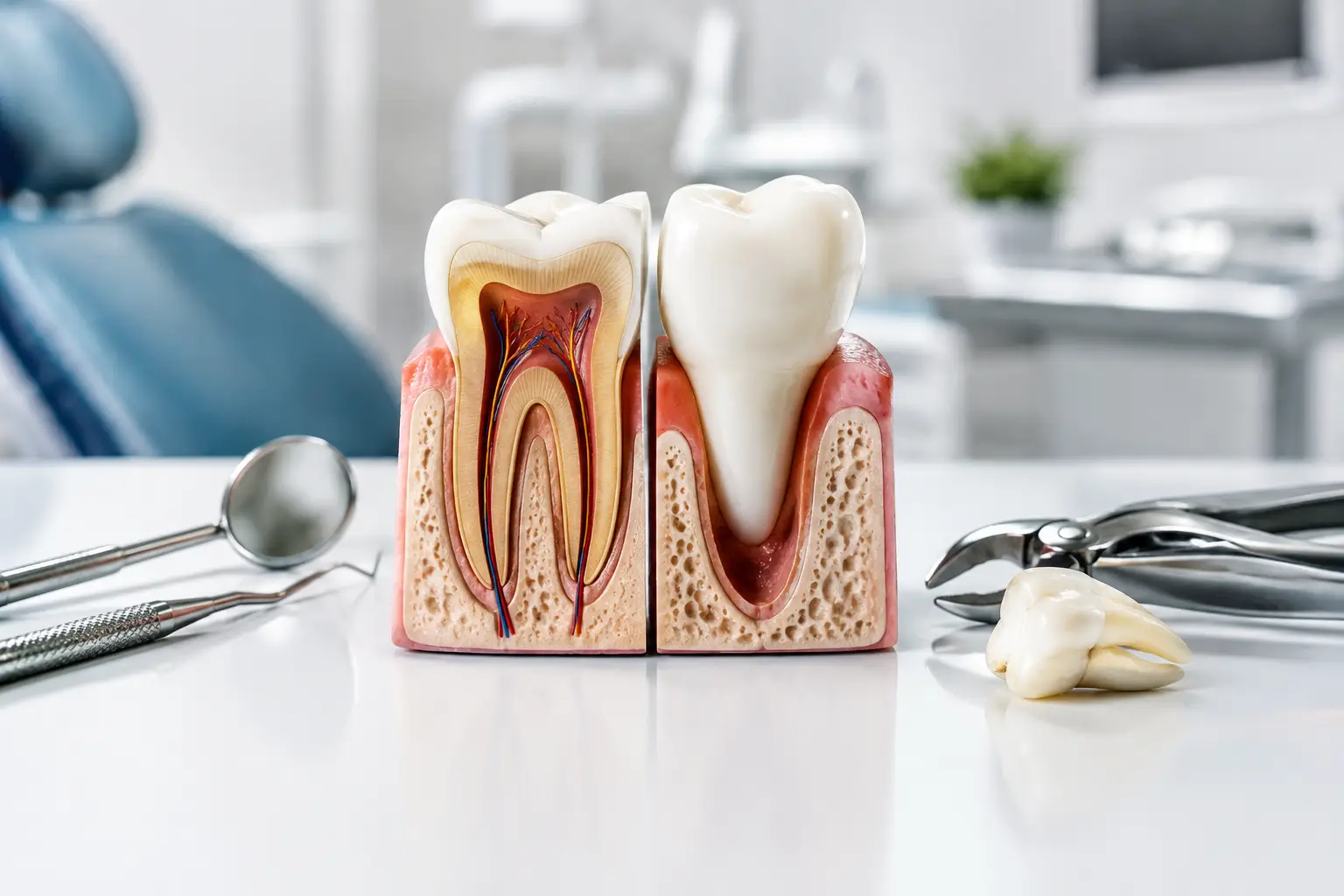

A tooth that keeps you awake, a swollen gum around a broken tooth, or a wisdom tooth that has suddenly become painful can make one thing clear: you need answers quickly. Tooth extraction Vaughan patients can feel comfortable with starts with a careful assessment, clear options, and a plan designed around both immediate relief and your long-term oral health.
Removing a tooth is never the first choice when it can be saved safely and predictably. However, extraction can be the healthiest option when damage, infection, or crowding puts surrounding teeth and gums at risk. With gentle techniques, local anesthesia, and thoughtful aftercare, the procedure is more manageable than many people expect.
When Is a Tooth Extraction Needed?
Your dentist will examine the tooth, surrounding gum tissue, and jawbone before recommending removal. Digital X-rays can help show what is happening below the gumline, including the shape of the roots, the extent of an infection, or the position of an impacted wisdom tooth.
A tooth may need to be extracted when decay has damaged too much of the tooth structure for a filling or crown to hold. Advanced gum disease can also loosen a tooth by reducing the bone that supports it. Other common reasons include a deep crack below the gumline, a severe infection that cannot be predictably treated with root canal therapy, or trauma from an accident.
Wisdom teeth are another frequent reason for extraction. Some erupt normally and stay healthy for years. Others remain partly covered by gum tissue, grow at an angle, press against neighbouring teeth, or create a difficult-to-clean space where infection can develop. In these situations, removing the tooth may prevent recurring pain and damage.
Extraction is also sometimes part of an orthodontic or restorative plan. For example, a non-restorable tooth may need to be removed before replacing it with an implant, bridge, or denture. The right solution depends on your bite, bone health, budget, timeline, and goals for your smile.
Tooth Extraction Vaughan Patients Can Expect Step by Step
The appointment begins with a conversation. Your dentist should understand your symptoms, health history, medications, allergies, and concerns about dental treatment. If you are anxious, say so. A calm explanation of each step and a few simple comfort measures can make a real difference.
Before the extraction, the area is numbed with local anesthetic. You may feel pressure or movement during the procedure, but you should not feel sharp pain. Let the dental team know right away if you are uncomfortable so more anesthetic can be provided.
For a straightforward extraction, the dentist gently loosens the tooth and removes it from the socket. A surgical extraction may be needed if a tooth is broken at the gumline, has complex roots, or is impacted beneath the gums. This can involve making a small opening in the gum and, in some cases, dividing the tooth into smaller sections for safer removal.
Once the tooth is out, a blood clot forms in the socket. This clot is a vital part of healing. Gauze is placed over the area, and you will receive clear instructions on how long to bite down, what to eat, and which symptoms warrant a call to the clinic.
Some extractions are completed in a single routine visit. More complex wisdom tooth or surgical cases may require additional planning. If bone grafting is being considered to preserve the site for a future dental implant, your dentist will explain why it may be useful and what it adds to the treatment plan.
Recovery: Protecting the Healing Site
Most people can return home soon after an extraction, but it is wise to keep the rest of the day quiet. Plan to avoid strenuous exercise, alcohol, smoking, vaping, and hot drinks for the period your dentist recommends. These habits can interfere with the blood clot and slow healing.
For the first day, choose soft, cool or lukewarm foods and chew away from the extraction site. Yogurt, eggs, soup that has cooled, mashed vegetables, and smoothies eaten with a spoon are often easier choices. Avoid using a straw, as the suction can dislodge the clot.
Some tenderness, minor swelling, and light bleeding are normal. Your dentist may recommend over-the-counter pain medication or provide a prescription when appropriate. Applying a cold pack to the outside of the face in short intervals can help manage swelling during the first 24 hours.
After the first day, gentle salt-water rinses may help keep the area clean if advised. Continue brushing your other teeth, but be careful around the extraction site. Healing time varies. The gum often begins to feel much better within several days, while the bone underneath continues to heal over the following weeks.
Watch for Signs You Need Help
A worsening level of pain after the first few days, persistent bleeding, fever, facial swelling, a bad taste that does not improve, or difficulty swallowing or breathing should be addressed promptly. Severe pain after the initial improvement period may indicate dry socket, which happens when the protective blood clot is lost too early.
Dry socket is treatable, but it is not something to wait out alone. Contact your dental office for guidance. Same-day emergency dental care can be especially valuable when pain, swelling, or infection begins outside of normal appointment planning.
What Happens After a Tooth Is Removed?
For wisdom teeth, no replacement is usually needed. For other teeth, leaving a space can allow nearby teeth to shift over time. This may affect how you bite, make cleaning more difficult, and change the appearance or function of your smile.
A dental implant can replace both the tooth root and visible crown, helping support the jawbone while providing a natural-looking result. A bridge may be a suitable option when neighbouring teeth already need crowns or when an implant is not the preferred choice. Partial dentures can also restore several missing teeth and may offer a more cost-conscious solution for some patients.
There is no single best replacement choice for everyone. A patient with healthy bone and one missing tooth may be a strong candidate for an implant. Someone managing several missing teeth, gum disease, or specific medical considerations may benefit from a different approach. A personalized consultation helps make the trade-offs clear before you commit to treatment.
Costs, Coverage, and Planning Your Care
The cost of an extraction depends on whether it is simple or surgical, how many teeth are involved, the need for X-rays, and whether additional care such as bone grafting is recommended. Asking for a written treatment estimate before proceeding can help you understand the expected costs and available options.
Dental insurance coverage varies by plan. Direct insurance billing can reduce paperwork, while the Canadian Dental Care Plan may help eligible patients access necessary dental services. If treatment is urgent, do not delay an assessment because you are uncertain about coverage. A dental team can review practical payment and coverage information with you while focusing first on your health.
At Onyx Dentistry, families in Vaughan and nearby communities can receive routine, restorative, surgical, and emergency care in one familiar setting. That continuity matters when an extraction is only one step in a larger plan to relieve pain, protect your oral health, and restore your ability to smile and chew comfortably.
If a tooth is painful, loose, broken, or causing swelling, arranging an examination early gives you more options. Even when removal is necessary, compassionate care and a well-planned next step can turn a stressful appointment into the beginning of lasting relief.