A tooth can be painful, cracked, badly decayed, or completely missing – but those situations do not all call for the same solution. When comparing crowns vs bridges, the key question is not which treatment is better overall. It is which one protects your oral health, restores comfortable chewing, and fits the condition of your smile.
A careful dental examination can make that decision feel much clearer. Your dentist will look at the remaining tooth structure, neighbouring teeth, gums, bite, and X-rays before recommending treatment. The goal is always to preserve healthy tissue where possible while giving you a restoration that feels natural and dependable.
Crowns vs Bridges: The Main Difference
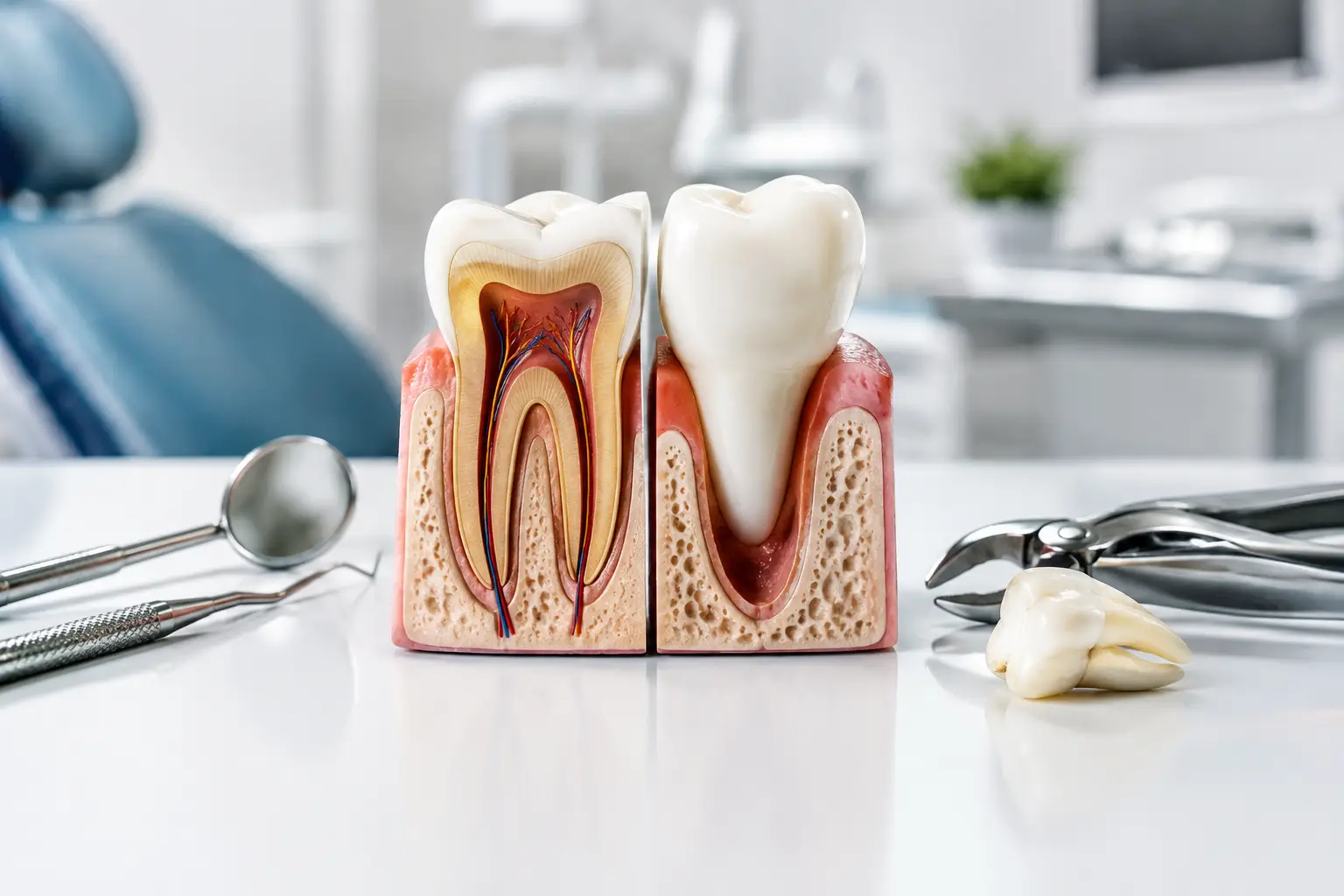
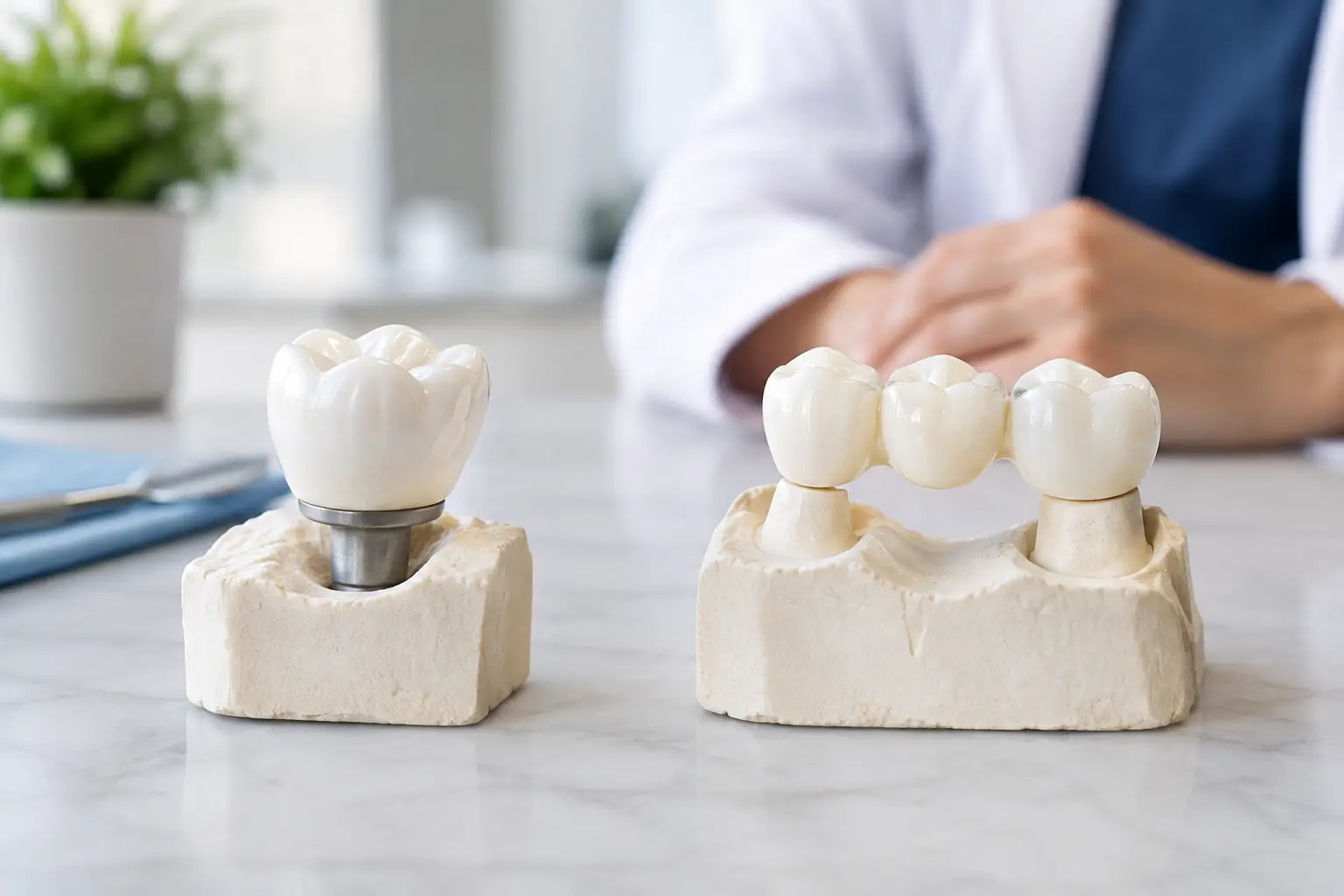
A dental crown covers and protects an existing tooth. Think of it as a custom-made cap that fits over a tooth that is weakened but still has a healthy, treatable root. Crowns are commonly recommended for teeth with large fillings, deep cracks, significant decay, heavy wear, or damage after a root canal.
A dental bridge replaces one or more missing teeth. A traditional bridge uses crowns on the teeth beside the gap to support an artificial tooth, called a pontic, in between. The result fills the space so you can chew, speak, and smile with greater confidence.
Put simply, a crown restores a tooth that is still present. A bridge replaces a tooth that is gone. In some cases, an implant-supported crown or bridge may also be an option. Because every mouth is different, the most suitable choice depends on your health needs, not just the appearance of the gap or damaged tooth.
When a Crown May Be the Better Choice
A crown is often recommended when a tooth can still be saved but no longer has enough strength to function reliably on its own. For example, a large cavity may leave too little healthy enamel for another filling. A crown surrounds the remaining tooth structure, helping distribute biting pressure and reducing the chance of further fracture.
Crowns can also improve the look of a tooth that is severely discoloured, misshapen, or worn down. Modern crowns are designed to blend with surrounding teeth in shape and shade, so the restoration can look natural as well as feel comfortable.
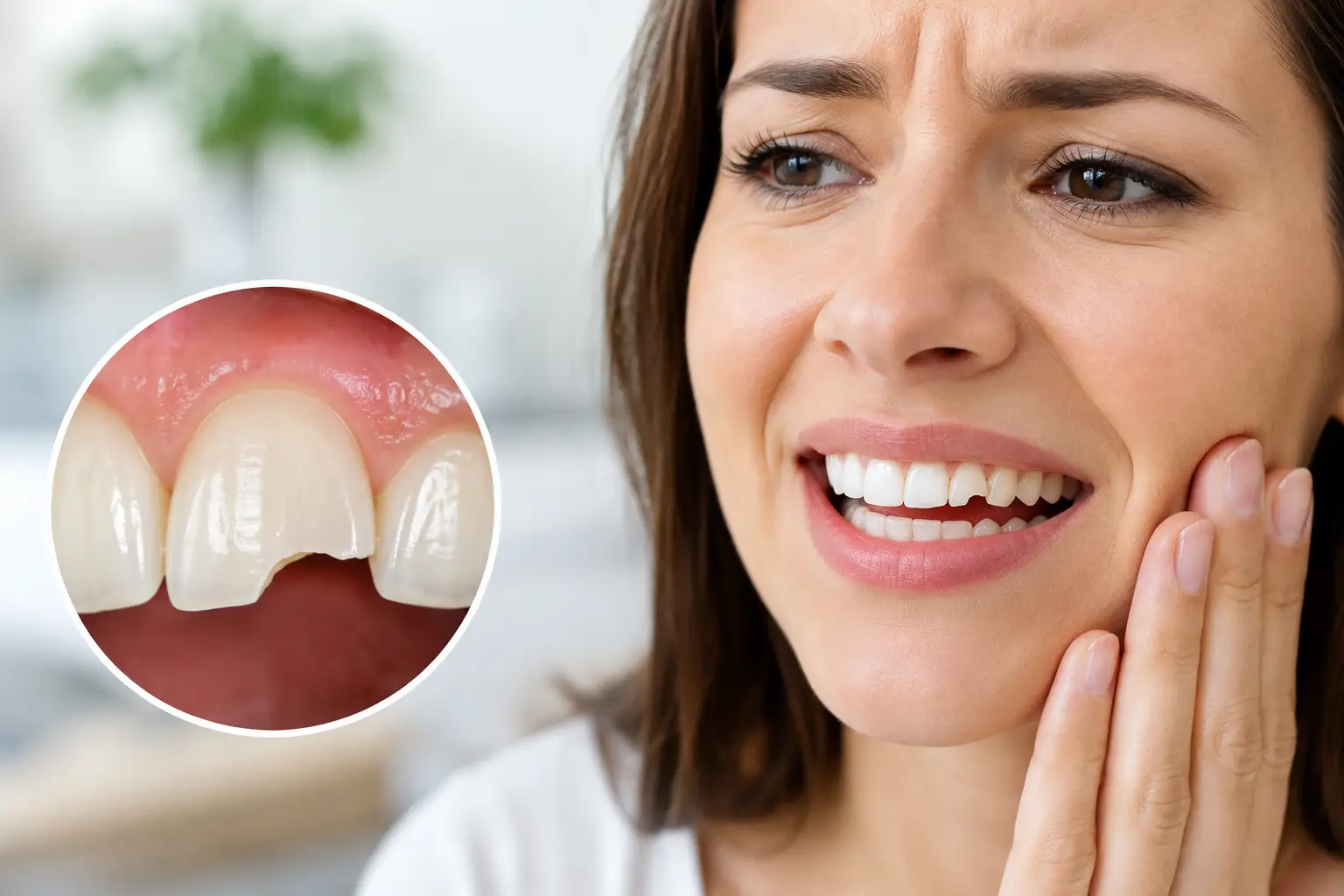
That said, a crown is not the right answer for every damaged tooth. If decay or a crack extends too far below the gumline, or if the root is not healthy enough to support the tooth, extraction and tooth replacement may be the safer long-term plan. Prompt care matters, especially if you have pain, swelling, or sensitivity when biting.
When a Bridge May Be the Better Choice
A bridge can be a practical solution when one or more teeth are missing and the neighbouring teeth need crowns anyway. Replacing a missing tooth can help prevent surrounding teeth from shifting into the open space. It may also improve chewing balance and reduce the strain placed on other teeth.
For a traditional bridge, the teeth on either side of the space are shaped to receive crowns. Your dentist then places a connected restoration that includes the replacement tooth. This is a fixed option, meaning it stays in place rather than being removed at night.
A bridge may be appealing if you want to replace a tooth without surgery or if an implant is not appropriate because of health factors, bone support, timing, or personal preference. It can usually be completed in fewer treatment stages than an implant. However, it does involve altering the supporting teeth, even if they are otherwise healthy. That trade-off deserves an honest discussion before you decide.
How to Choose Between a Crown and a Bridge
The choice often becomes straightforward once the dental concern is identified. If a tooth is damaged but restorable, a crown may protect it. If the tooth is missing, a bridge can close the gap. The more nuanced decisions involve the condition of the teeth and gums around the area.
Your dentist may consider how much healthy tooth structure remains, whether there is an active infection, the strength of your bite, and how easy the area will be to clean. Gum disease should be managed before placing a crown or bridge, since healthy gums and bone provide the foundation for lasting restorative work.
Your daily habits matter too. Teeth grinding can place extra force on crowns and bridges, while smoking and inconsistent home care can affect gum health around them. If you clench or grind, a night guard may be recommended to help protect your restoration and natural teeth.
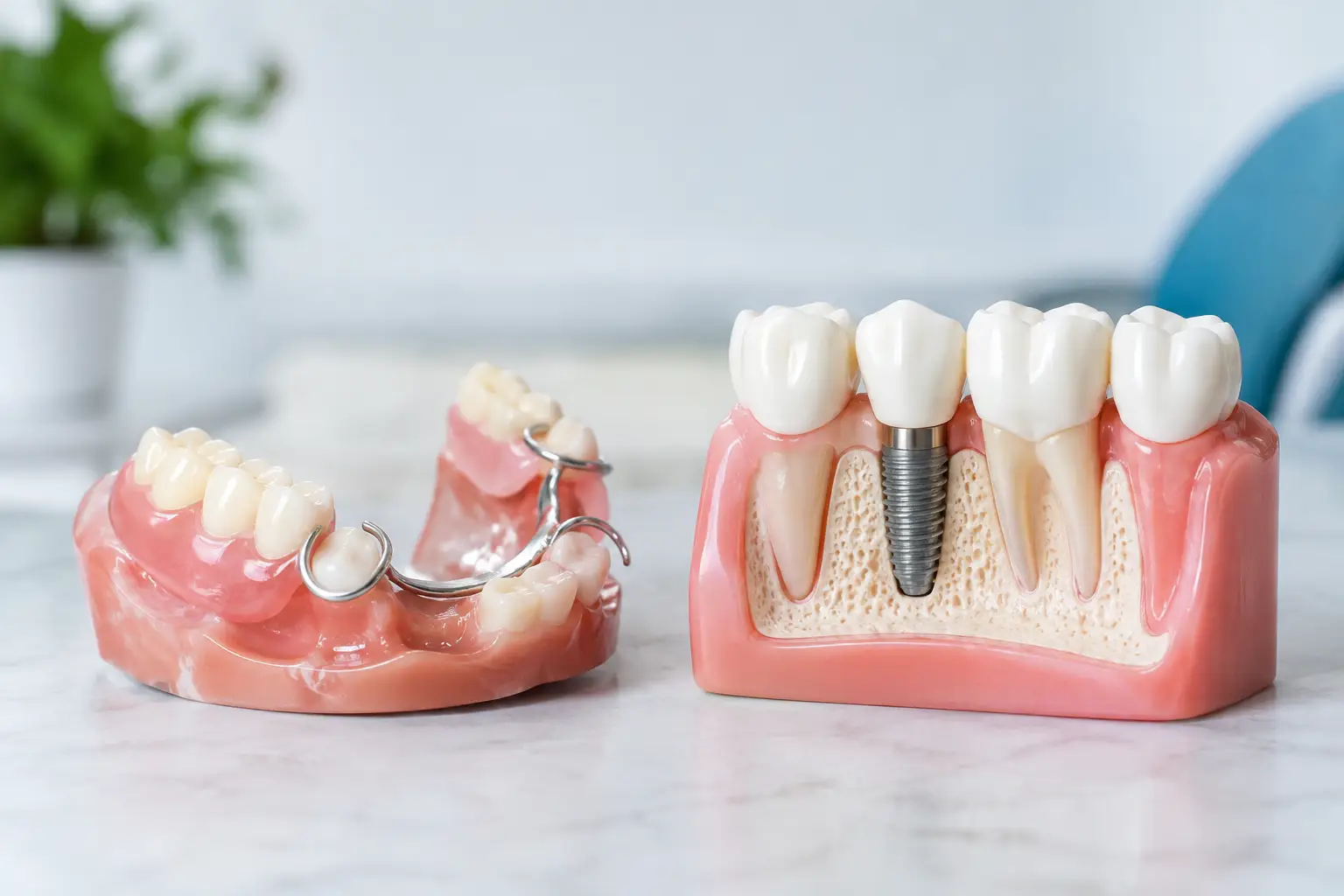
For a missing tooth, it is also worth asking whether a dental implant should be part of the conversation. An implant replaces the tooth root and can support a single crown without changing the teeth beside the gap. It involves a surgical process and a longer treatment timeline, but it may be a good option for the right candidate. A bridge remains a valuable, established treatment and may be the more suitable path in many circumstances.
What Treatment Usually Involves
For a crown, the tooth is prepared by removing damaged areas and shaping it so the crown can fit securely. Digital scans or impressions are used to create a custom restoration. You may wear a temporary crown while the final one is being made, then return for placement and bite adjustments.
A traditional bridge follows a similar process. The supporting teeth are prepared, and a scan or impression is taken to design the connected crowns and replacement tooth. A temporary bridge may be placed while your final restoration is created. Once fitted, your dentist checks the bite, comfort, shape, and appearance before securing it.
Some appointments may feel more involved if decay needs to be treated first, if a root canal is required, or if gum care is needed before restorative work. This is not a setback – it is part of building a healthier base for the final result. If you are anxious about dental treatment, tell your dental team. A calm explanation of each step and gentle care can make the experience much easier.
Caring for Crowns and Bridges
Crowns and bridges are strong, but they still need daily attention. Brush twice a day with fluoride toothpaste and keep up with regular hygiene visits. A crowned tooth can still develop decay at the edge where the crown meets the natural tooth, so cleaning along the gumline is essential.
With a bridge, cleaning under the replacement tooth is especially important. Your dentist or hygienist can show you how to use floss threaders, super floss, or an interdental brush to reach beneath it. Food and plaque that collect in this area can irritate the gums and threaten the supporting teeth.
Avoid using teeth to open packages, chew ice, or bite very hard objects. If a crown or bridge feels loose, cracks, chips, or causes pain when you bite, arrange an assessment rather than waiting. Early attention can sometimes prevent a smaller issue from becoming an emergency.
Cost, Coverage, and Planning Your Care
The cost of crowns and bridges varies based on the materials used, the number of teeth involved, and any treatment needed beforehand. Insurance coverage also differs by plan. Before treatment begins, it is reasonable to ask for a clear estimate, what your benefits may cover, and whether alternatives such as an implant should be considered.
At Onyx Dentistry, treatment planning is designed around your specific needs, timeline, and comfort. Direct insurance billing and Canadian Dental Care Plan acceptance can help make planning more straightforward for eligible patients, while your dental team can explain the recommended care in clear terms.
If you have a broken tooth, a lost restoration, or a new gap in your smile, you do not need to decide on a crown or bridge alone. A timely examination can identify what is happening beneath the surface and help you move forward with a treatment plan that protects both your smile and your peace of mind.