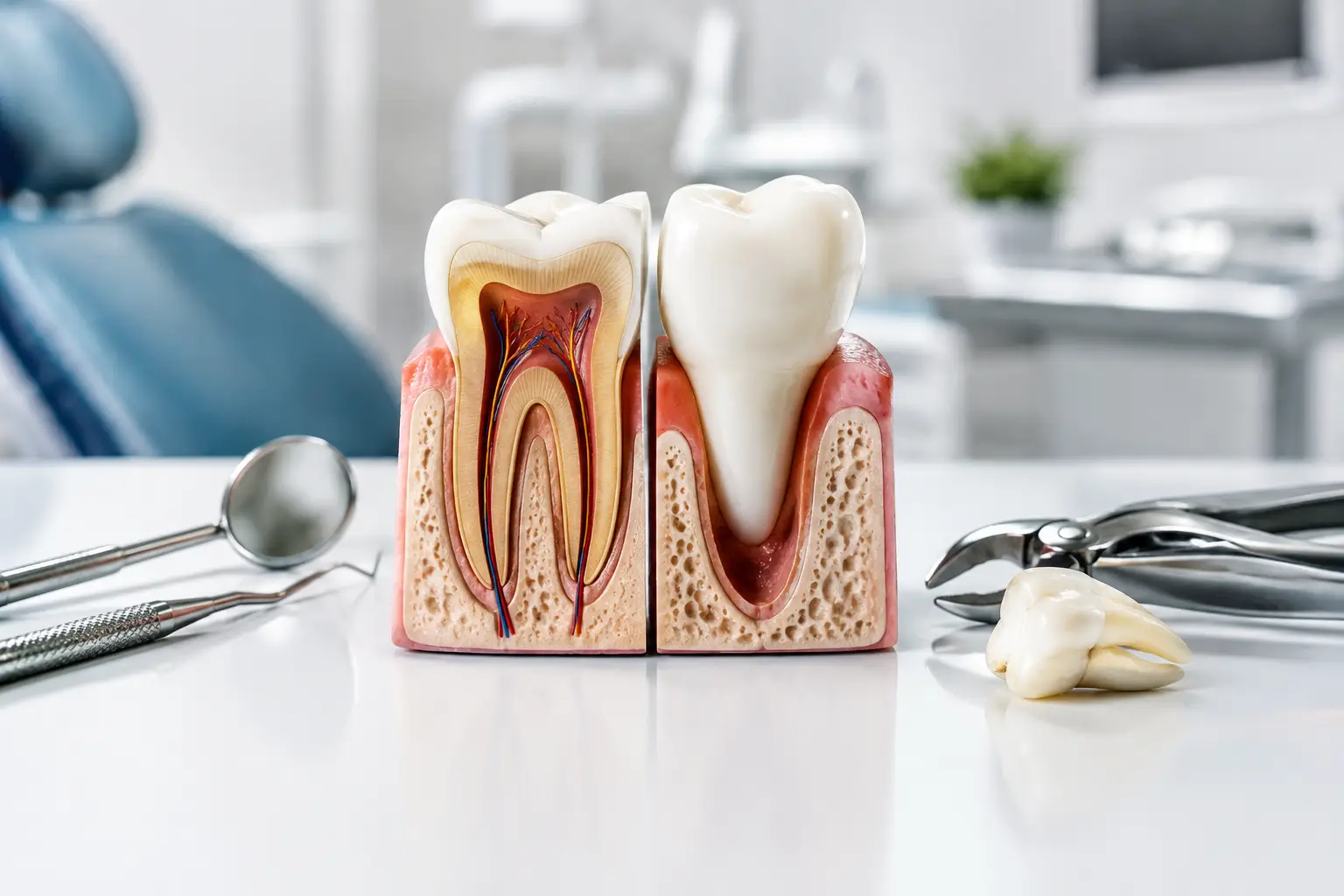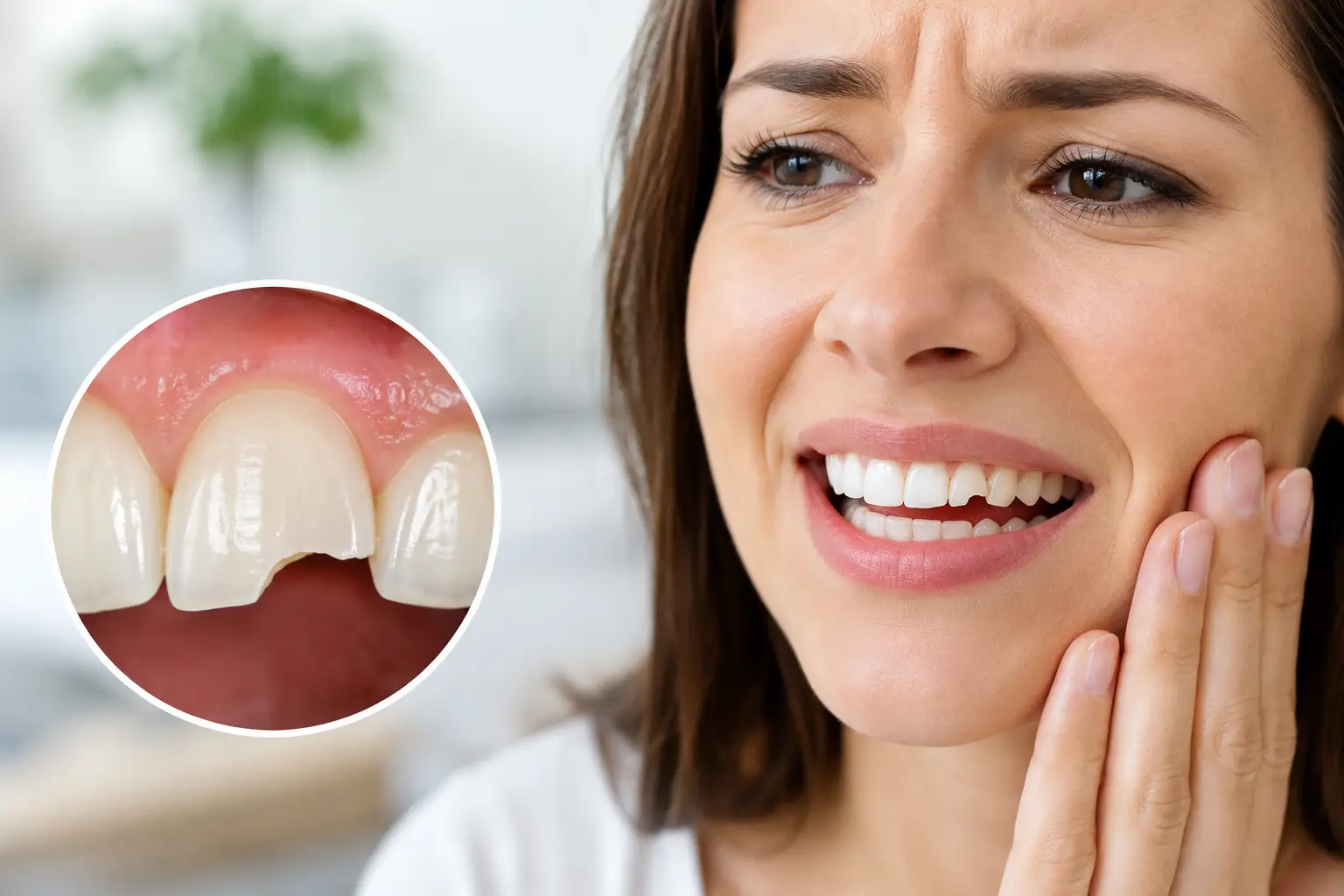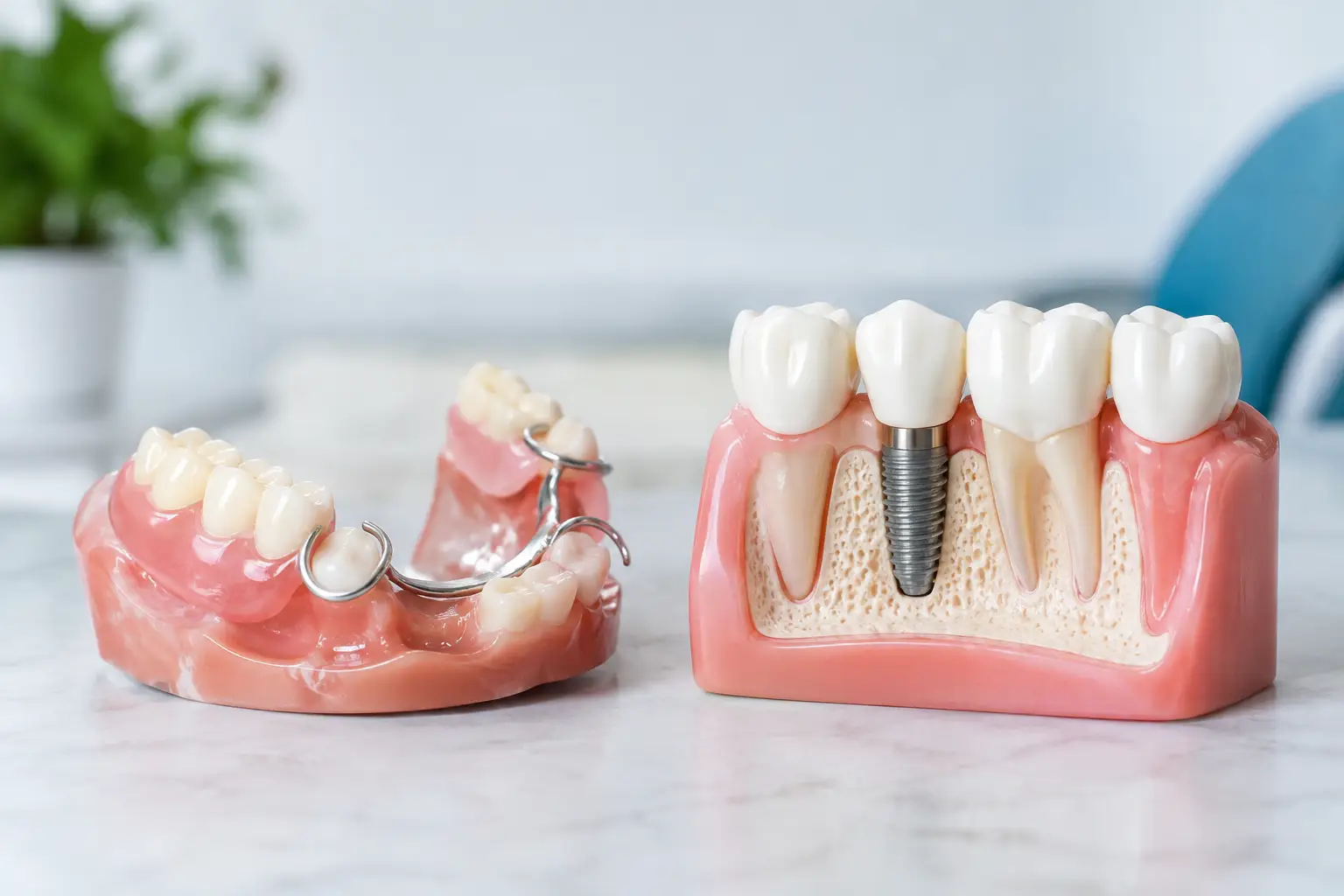

A wisdom tooth extraction is usually over much faster than patients expect. Recovery takes more patience. Knowing what is normal each day can make the experience feel far less stressful, especially when swelling or soreness peaks before it starts to improve. This wisdom tooth removal recovery timeline explains what most patients can expect, how to protect the extraction site, and when to call a dentist.
Every recovery is personal. A straightforward extraction may feel significantly better within several days, while impacted wisdom teeth or multiple extractions can require more downtime. Your age, overall health, the position of the tooth, and whether sedation was used can all affect the pace of healing.
The first 24 hours: Protect the blood clot
The first day is focused on one thing: allowing a stable blood clot to form in the empty tooth socket. That clot is part of normal healing. It protects the underlying bone and nerves while new tissue begins to develop.
Some light bleeding or oozing is common after surgery. Bite gently but firmly on the gauze provided by your dental team, changing it as directed. Rest with your head elevated and use a cold pack against the outside of your cheek for short intervals to help limit swelling.
It is normal to have numbness for a few hours if local freezing was used. Take any recommended pain medication before the freezing completely wears off, following the instructions you were given. If you had sedation, arrange for a responsible adult to take you home and stay with you as advised. Avoid driving, alcohol, important decisions, or operating machinery for the rest of the day.
Do not rinse forcefully, spit, use a straw, smoke, or vape. These actions can disturb the clot and raise the risk of dry socket, a painful complication that can delay recovery.
Soft, cool foods are usually most comfortable at this stage. Yogurt, applesauce, smoothies eaten with a spoon, pudding, mashed potatoes, and lukewarm soup are common choices. Avoid very hot drinks and foods until the numbness has resolved so you do not accidentally burn your mouth.
Days 2 to 3: Swelling may peak
Many people assume the second or third day means something is wrong because their cheek looks puffier or their jaw feels tighter. In fact, swelling and bruising commonly peak around this point, particularly after removal of lower or impacted wisdom teeth.
Continue taking medication as prescribed or recommended. After the first 24 hours, your dentist may advise gentle warm salt-water rinses. Let the water move around your mouth without vigorous swishing, then allow it to fall out rather than forcefully spitting. Gentle rinsing helps keep the area cleaner while respecting the healing tissue.
You can often transition from cold packs to gentle warmth after the first day or two if jaw stiffness is bothering you. Keep meals soft and easy to chew. Scrambled eggs, oatmeal, pasta, cottage cheese, soft fish, and blended soups can provide more substance without irritating the area.
Try to keep food away from the extraction site when possible. Do not poke the socket with a finger, toothpick, or toothbrush. Brush the rest of your teeth carefully, and follow your dentist’s instructions about cleaning near the surgical area.
Days 4 to 7: Gradual improvement
By the fourth day, pain and swelling should generally be moving in the right direction, even if you are not fully comfortable. Bruising may become more visible before it fades. Mild jaw stiffness, tenderness when chewing, and a strange taste around the socket can also occur during this part of the wisdom tooth removal recovery timeline.
Many patients can return to school or desk-based work after two to four days. That said, it depends on the procedure and how you feel. If your work is physically demanding, involves heavy lifting, or makes it difficult to take breaks, allow extra time if possible. Strenuous activity can increase throbbing and bleeding in the first several days.
You may begin adding more texture to your meals as comfort allows, but hard, crunchy, spicy, sticky, or seedy foods can still be troublesome. Chips, popcorn, nuts, rice, and small seeds can become trapped near the socket. It is usually best to wait until the area has closed more fully before returning to them.
If you have stitches, they may dissolve on their own or need removal at a follow-up appointment. Do not pull or trim them yourself.
Week 2: The gums begin to close
During the second week, most patients notice a clear improvement in daily comfort. Swelling has usually resolved, bruising is fading, and normal eating becomes easier. The gum tissue starts to close over the extraction site, although a small opening may still be present.
You can usually resume a more normal routine, including exercise, once your dentist has cleared you and there is no renewed bleeding or significant discomfort. Continue cleaning carefully. Food can still collect in the lower wisdom tooth sockets for a while, and your dental team may recommend a specific rinsing technique or syringe after the initial healing period.
The visible gum healing is only one part of the process. Deeper bone healing continues long after the surface feels normal.
Weeks 3 to 6 and beyond: Deeper healing continues
Most people feel largely recovered within one to two weeks, but the extraction socket continues filling in from the bottom up over the following weeks. Full bone remodelling can take several months. You should not need to restrict your life throughout that time, but keeping up with brushing, flossing, and recommended follow-up care supports healthy healing.
If one wisdom tooth was removed because of infection, crowding, decay, or gum disease, your dentist may also discuss how to protect the neighbouring molar. Regular examinations and hygiene appointments help identify concerns before they become painful.
What can slow recovery?
Some discomfort is expected, but a few habits and health factors can make healing harder. Smoking and vaping are among the biggest concerns because suction, heat, and chemicals can interfere with the blood clot and tissue repair. Avoid them for the period recommended by your dentist, and longer if you can.
Recovery may also be slower for patients with diabetes, immune conditions, certain medications, or a history of difficult healing. Be open about your medical history before surgery, including supplements and blood thinners. A personalized plan is safer than relying on general advice from friends or social media.
When to call your dentist
Contact your dental office promptly if symptoms are worsening rather than gradually improving. Seek advice if you notice:
- bleeding that remains heavy despite pressure with clean gauze
- pain that becomes severe or spreads toward the ear after a few days
- increasing swelling, fever, chills, or difficulty swallowing
- pus, a persistent foul taste, or a strong odour from the socket
- numbness that continues longer than your dentist expected
Dry socket often develops several days after an extraction. It can cause intense, throbbing pain and may leave the socket looking empty. It is treatable, but it needs professional attention rather than home remedies.
Difficulty breathing, severe facial swelling, or trouble swallowing saliva requires urgent medical assessment.
A calmer recovery starts with clear instructions
The best recovery plan is the one tailored to your procedure. Before you leave your appointment, ask when to start rinsing, what medication is appropriate for you, how to manage stitches, and what number to call if something feels off. Clear answers can make the first few days much more manageable.
For families in Vaughan, Thornhill, and nearby communities, Onyx Dentistry provides personalized wisdom tooth care and guidance from the consultation through recovery. If pain, swelling, or uncertainty is making recovery feel overwhelming, a quick call to your dental team can provide reassurance and help you protect your healing smile.