Bleeding when you brush, persistent bad breath, or gums that look swollen are easy symptoms to put off. Yet they can be early signs of gum disease, an infection that can quietly damage the tissues and bone supporting your teeth. Scaling and root planing for gum disease is a focused, non-surgical treatment that removes infection-causing buildup below the gumline and gives your gums a better chance to heal.
For many patients, this treatment is the step between a routine hygiene cleaning and more advanced periodontal care. It is designed to protect your natural teeth, reduce inflammation, and help make daily brushing and flossing more effective.
What Gum Disease Does Below the Gumline
Gum disease begins when plaque, a sticky film of bacteria, is allowed to remain around the teeth and gums. If it is not removed consistently, plaque can harden into tartar. Tartar cannot be brushed away at home, and it can collect beneath the gumline where a toothbrush cannot reach.
In its early stage, gum disease is often called gingivitis. Gums may bleed, feel tender, or look red, but the supporting bone has not yet been damaged. Professional cleaning and better home care can often reverse gingivitis.
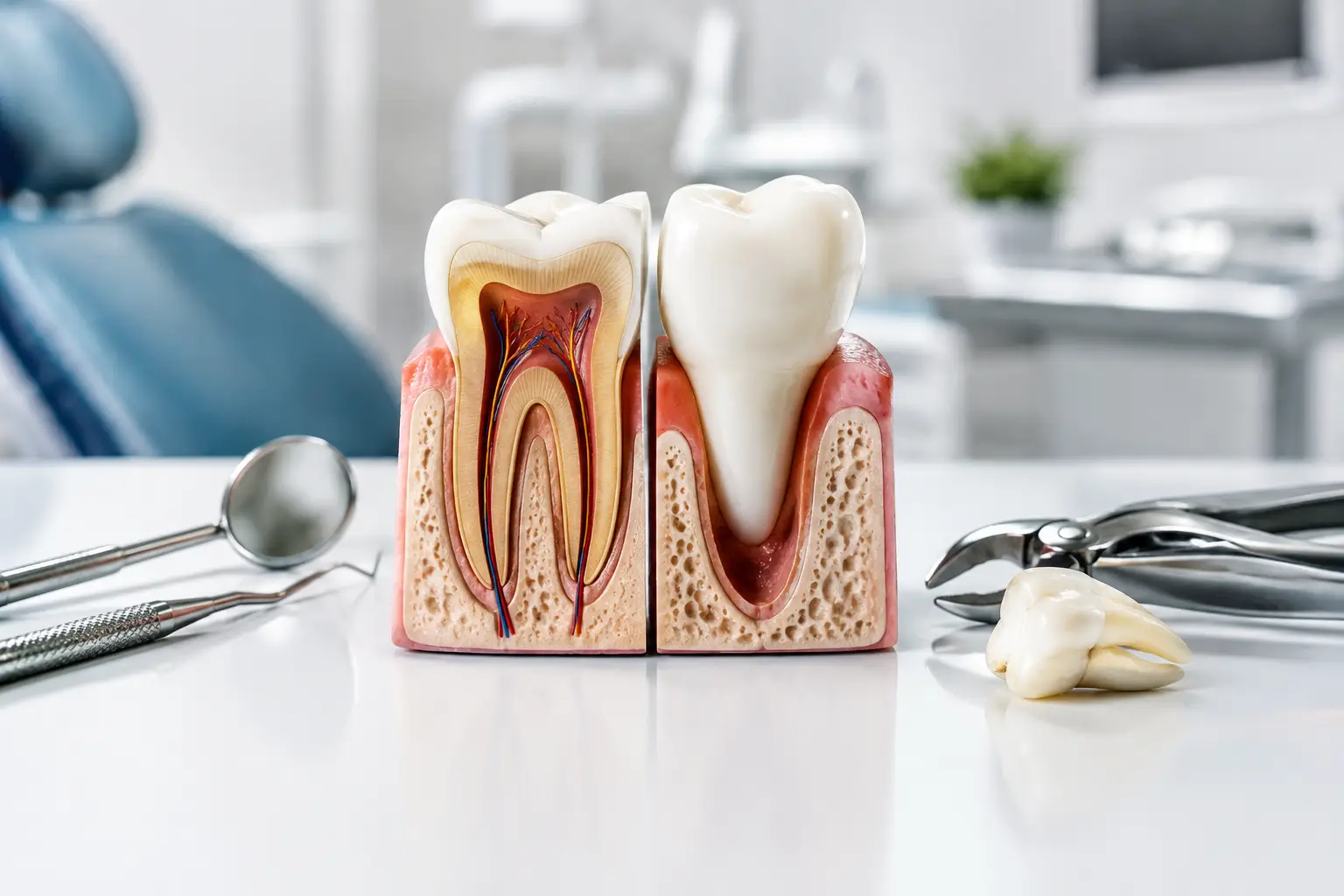
When the infection progresses to periodontitis, the gums can begin to pull away from the teeth. This creates deeper spaces, called periodontal pockets, where bacteria and tartar collect. Over time, the infection may damage the bone and connective tissue that hold teeth in place. Teeth may feel loose, shift position, or become more sensitive.
Periodontitis cannot be reversed in the same way as gingivitis, but it can often be managed. Early treatment matters because it may slow or stop further damage before tooth loss becomes a concern.
How Scaling and Root Planing for Gum Disease Works
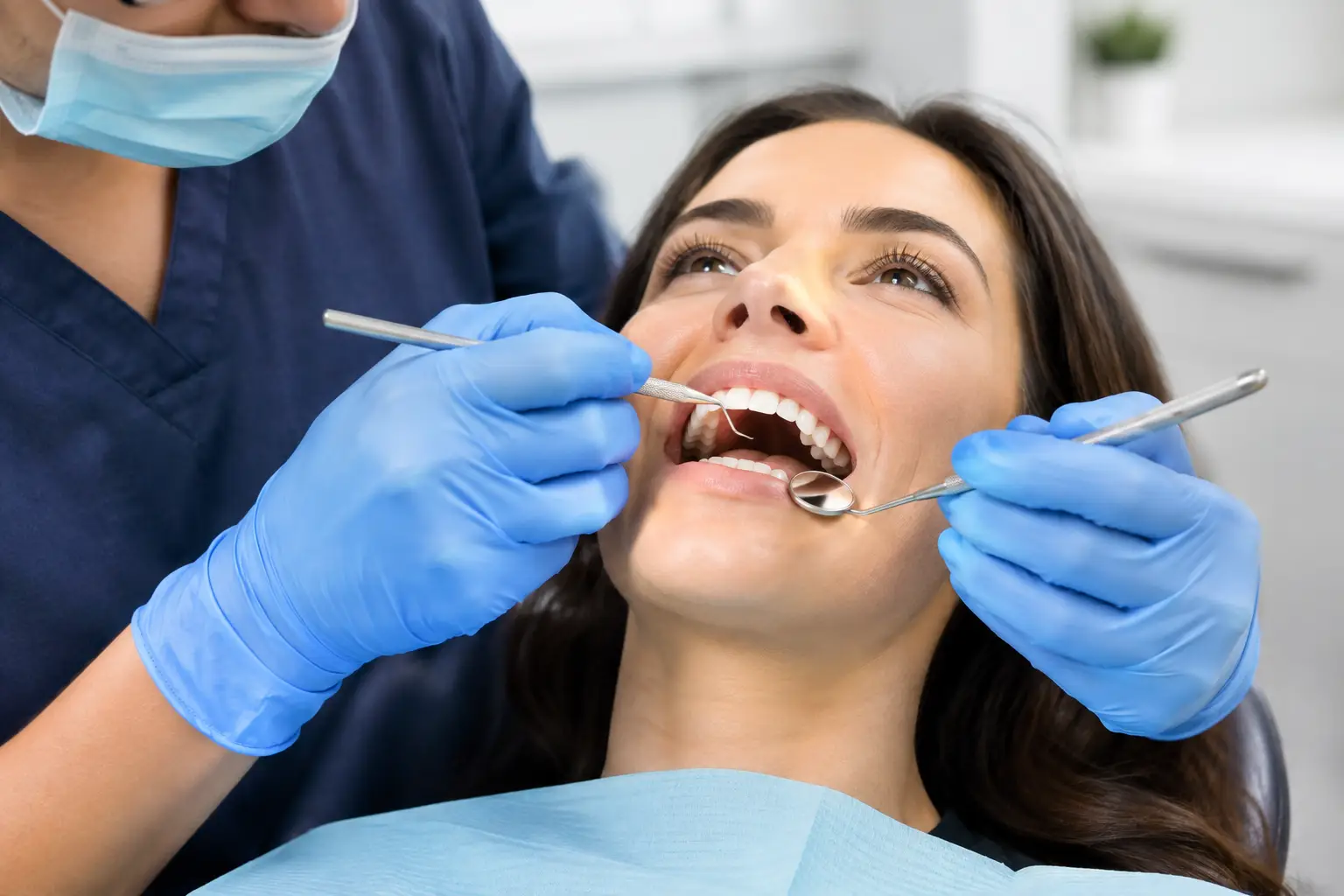
Scaling and root planing is sometimes referred to as a deep cleaning, although it is more involved than a standard hygiene appointment. Your dental team first examines your gums, measures the spaces between your teeth and gums, and may take digital X-rays to assess bone levels and areas of infection.
Scaling is the process of carefully removing plaque, tartar, and bacteria from above and below the gumline. Special hand instruments and ultrasonic tools may be used to clean the tooth surfaces inside periodontal pockets.
Root planing follows scaling. It smooths rough areas on the tooth roots where bacteria can cling. A smoother root surface makes it harder for new buildup to attach and helps the gum tissue settle more closely around the tooth as inflammation improves.
Depending on the extent of gum disease, treatment may be completed in one visit or divided into separate appointments by area of the mouth. Local anesthetic is commonly used to keep the treatment comfortable, particularly when pockets are deeper or gums are sensitive. If dental visits make you anxious, let the team know before treatment begins. A calm explanation, breaks when needed, and personalized comfort measures can make a meaningful difference.
Who May Need a Deep Cleaning?
A recommendation for scaling and root planing is based on your gum health, not simply on how long it has been since your last cleaning. Signs that may lead to further periodontal assessment include bleeding gums, gum recession, persistent bad breath, pus around the gums, tooth sensitivity, loose teeth, or pockets that measure deeper than healthy levels.
Some people have gum disease with few noticeable symptoms. Smoking or vaping, diabetes, certain medications, hormonal changes, family history, dry mouth, and inconsistent dental care can all affect gum health. That is why regular examinations are valuable even when your teeth do not hurt.
A deep cleaning is not automatically needed for every patient with minor bleeding. If inflammation is limited to gingivitis, a regular professional cleaning and improved daily care may be enough. Your dentist or hygienist should explain what they see, why a particular treatment is recommended, and what follow-up will be needed.
What to Expect During and After Treatment
Before starting, your care provider will review your health history and treatment plan. If X-rays or gum measurements show infection in several areas, the mouth may be treated in sections. This allows each area to be thoroughly cleaned while keeping appointments manageable.
During treatment, you may feel pressure, vibration, or water from the ultrasonic instrument, but you should not have to push through sharp pain. Tell your provider if you are uncomfortable so the approach can be adjusted.
Afterward, it is common to have mild tenderness, sensitivity to hot or cold foods, or slight bleeding for a few days. These effects usually improve as the gums heal. Gentle brushing with a soft-bristled toothbrush, careful flossing, and any recommended rinse can support recovery. Avoid smoking, as it slows healing and increases the chance of gum disease returning.
If you develop significant swelling, severe pain, fever, or bleeding that does not settle, contact your dental clinic promptly. Those symptoms may need assessment rather than waiting for your next visit.
Healing Takes Ongoing Care
Scaling and root planing removes harmful buildup, but it does not make a person permanently immune to gum disease. Periodontal bacteria can recolonize, especially in deeper pockets. The long-term result depends on daily home care and professional periodontal maintenance.
Your dentist may recommend more frequent hygiene visits, often every three or four months rather than every six months. The right interval depends on your pocket depths, bone support, medical history, ability to clean between teeth, and how your gums respond after treatment.
At home, brush twice daily using a fluoride toothpaste and clean between your teeth every day. Floss works well for many people, while interdental brushes or water flossers may be helpful for larger spaces, bridges, implants, or areas of gum recession. The best tool is the one you can use correctly and consistently. Your dental team can show you techniques that fit your mouth rather than offering a one-size-fits-all routine.
Can Scaling and Root Planing Save Teeth?
In many cases, yes. Treating periodontal infection can reduce bleeding, shrink pocket depths, improve gum comfort, and help preserve the bone and tissue that support natural teeth. Results vary, however, based on how advanced the disease is and whether maintenance care is continued.
Deep pockets, significant bone loss, smoking, uncontrolled diabetes, and difficulty attending follow-up appointments can make gum disease harder to manage. Some patients may need additional periodontal treatment, such as localized medication, gum surgery, or restorative care if teeth have become loose or damaged. A personalized plan should account for your health, goals, budget, and the predictability of each option.
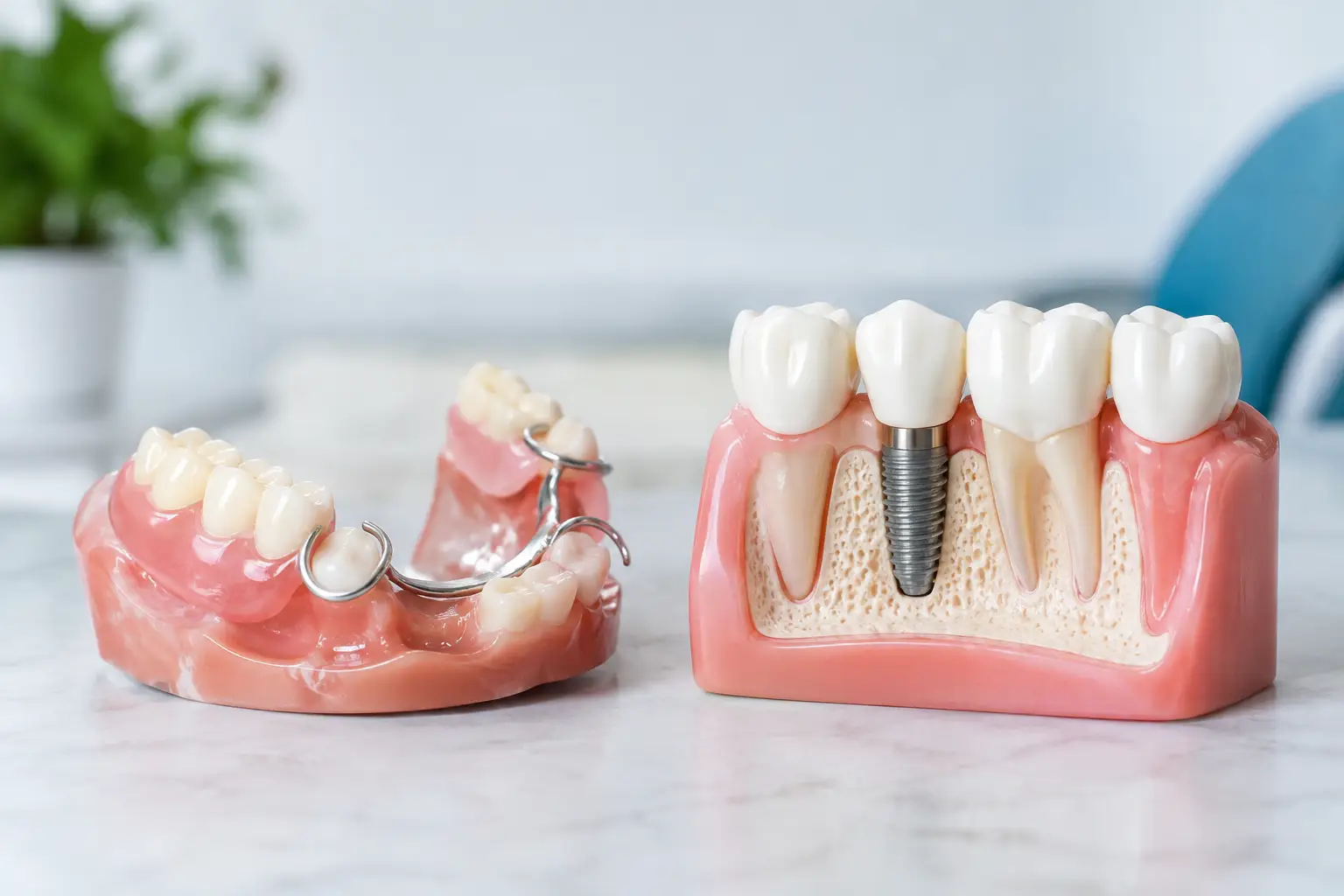
For patients who have already lost teeth because of gum disease, stabilizing the remaining gums is especially important before considering options such as bridges, dentures, or dental implants. Healthy gum tissue and good plaque control give restorative treatment a stronger foundation.
A Comfortable, Practical Next Step
Gum treatment should feel understandable, not intimidating. At Onyx Dentistry, patients can receive an assessment of their gum health alongside routine family dentistry, restorative care, and support for urgent concerns. The team can discuss treatment timing, direct insurance billing, Canadian Dental Care Plan coverage where applicable, and any questions you have before proceeding.
If your gums bleed regularly or your breath has changed despite brushing, booking an examination is a practical place to start. A small concern addressed early can help protect the comfort, function, and confidence that come with keeping your natural smile.