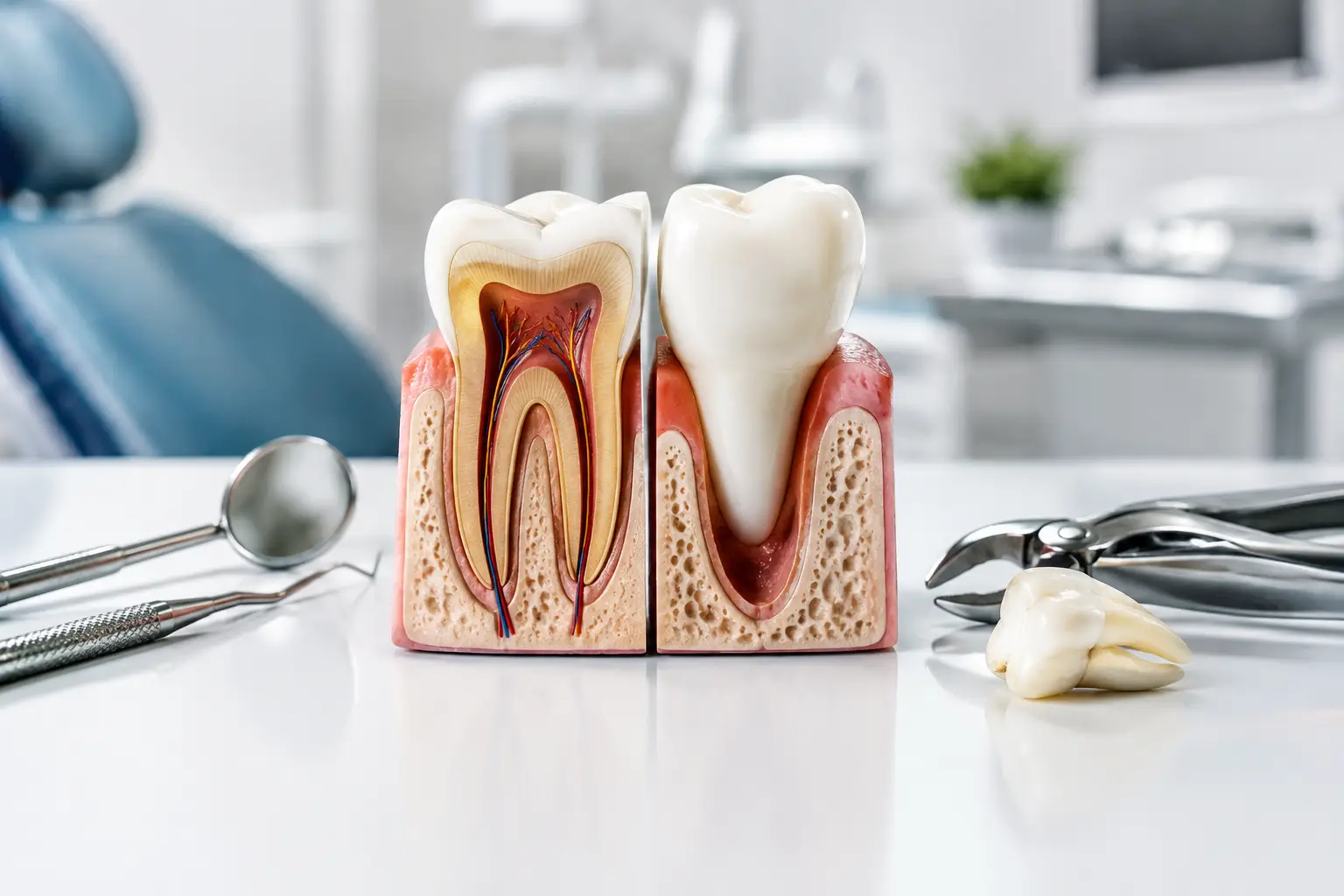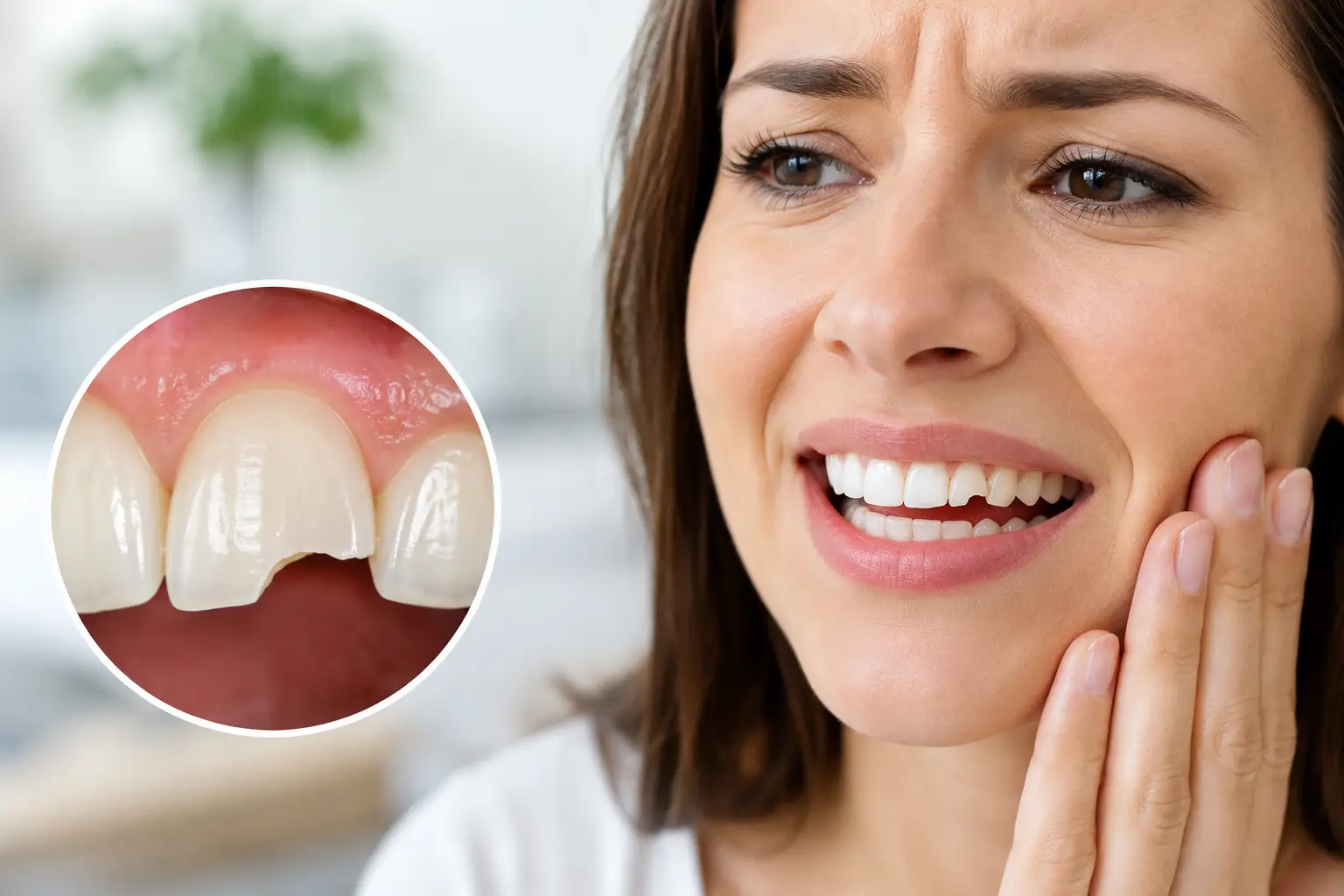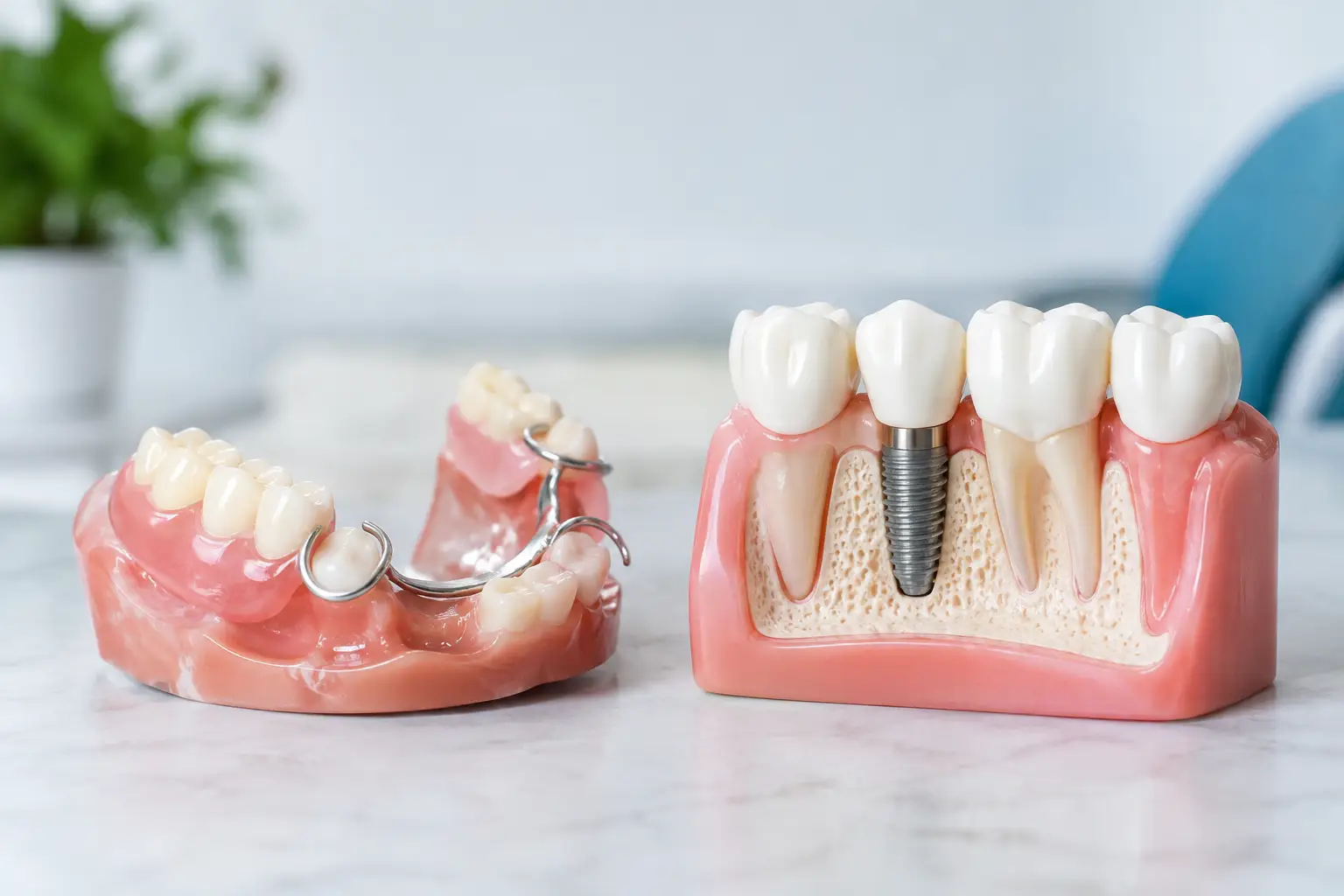

A chipped front tooth can make you think twice before smiling in photos, speaking at work, or laughing with friends. Porcelain veneers for chipped teeth can be a highly natural-looking option when the tooth is otherwise healthy and the goal is to restore both its appearance and confidence. The right choice, however, depends on the size of the chip, the condition of the tooth, and how your bite functions.
When Porcelain Veneers for Chipped Teeth Make Sense
A porcelain veneer is a thin, custom-made shell that covers the front surface of a tooth. It is carefully shaped and colour-matched to blend with your surrounding teeth, then bonded securely into place. For a visible chip on a front tooth, a veneer can recreate a smooth edge, improve symmetry, and address other cosmetic concerns at the same time, such as uneven shape, small gaps, or stubborn discolouration.
Veneers are often a good fit when a chip is noticeable but does not compromise the tooth’s nerve or structural stability. They may also be suitable if a tooth has been repaired with bonding in the past and the repair has become stained, worn, or repeatedly chipped.
The key word is suitable. A veneer is not simply a cover placed on every damaged tooth. Before recommending treatment, a dentist should examine the tooth, gums, bite, and X-rays where needed. If the tooth is painful, cracked below the gumline, loose, severely decayed, or affected by infection, restoring the underlying health issue comes first.
Veneer, Bonding, or Crown: What Is the Difference?
A small chip does not always require a veneer. Composite bonding, which uses tooth-coloured resin to rebuild the missing area, is often a conservative and cost-effective option for minor chips. It can frequently be completed in one appointment and generally requires little to no removal of natural enamel. Bonding may be especially appropriate for children, teens, or adults who want a simpler repair.
Porcelain veneers are typically chosen for a more comprehensive cosmetic change. Porcelain resists staining better than composite resin and can hold a lifelike shine over time. Because a veneer covers the visible front of the tooth, it can create a more uniform result when the tooth has a larger chip, irregular edges, surface wear, or colour concerns.
A crown may be the better recommendation when a large portion of the tooth is missing or weakened. Unlike a veneer, a crown covers the entire tooth and offers more structural protection. If a chip happened after a fall, sports injury, or biting something hard, the dentist will check for deeper cracks before discussing cosmetic options.
There is no one-size-fits-all answer. The most conservative treatment that can provide a healthy, durable result is often the best place to start.
What to Expect During Veneer Treatment
Treatment planning begins with a conversation about what you would like to change and what a natural result means to you. Some patients want only the chipped edge restored. Others are considering veneers because several front teeth look worn, uneven, or discoloured.
Your dentist will assess your oral health, take images or impressions as appropriate, and discuss the shape, shade, and number of teeth involved. This planning stage matters because veneers should complement your facial features, smile line, and neighbouring teeth rather than look overly bright or bulky.
For many porcelain veneers, a small amount of enamel is gently adjusted to create room for the porcelain. The amount varies from case to case. Some conservative veneer options require minimal preparation, but not every tooth is a candidate for them. Your dentist should explain exactly what is planned before treatment begins.
A dental laboratory creates the final veneer based on the treatment plan. At the placement appointment, the dentist checks the fit, colour, and shape before bonding the veneer to the tooth. The result should feel comfortable when you bite and look like it belongs in your smile.
The Benefits and Trade-Offs to Consider
Porcelain can closely mimic the way natural enamel reflects light. For many patients, that is the main appeal: a repaired tooth can look polished without appearing artificial. Porcelain veneers are also colour-stable and durable when properly cared for.
At the same time, veneers are a long-term commitment. Because enamel may need to be adjusted, the tooth will generally need a veneer or another restoration in the future. Veneers can last many years, but they are not permanent. They may eventually need replacement due to normal wear, changes at the gumline, damage, or bonding failure.
They can also chip or crack if used to bite hard objects, open packages, or chew ice. People who clench or grind their teeth may still be candidates, but a custom night guard is often recommended to protect the veneers and natural teeth. If you play contact sports, wearing a properly fitted mouthguard is equally important.
Cost is another practical consideration. Veneers are usually considered cosmetic treatment, so they may not be covered by dental insurance. In some cases, coverage may differ when there is a documented restorative need. Asking for a clear treatment plan and cost estimate before proceeding can help you make an informed decision.
A Healthy Foundation Comes First
Beautiful veneer work starts with healthy teeth and gums. Gum inflammation, untreated cavities, active periodontal disease, or an unstable bite can affect the appearance and longevity of any cosmetic treatment. Addressing these concerns first is not a delay for its own sake – it protects your investment and supports a more predictable result.
This is especially important when the chip is new. A tooth that looks like it has a simple broken corner may have a deeper fracture or trauma-related nerve injury. Sensitivity to hot or cold, pain when biting, swelling, or a darkening tooth should be assessed promptly. If a broken tooth has a sharp edge, covering it temporarily with dental wax can reduce irritation until you can be seen, but avoid trying to file or glue the tooth yourself.
For patients in Vaughan, Thornhill, and nearby communities, Onyx Dentistry can assess chipped teeth as part of a personalized plan that considers both immediate comfort and long-term smile goals. If the damage is painful or caused by an accident, a timely appointment is particularly valuable.
Caring for Veneers After Placement
Porcelain veneers do not require complicated care. Brush twice daily with a soft toothbrush and non-abrasive toothpaste, clean between teeth every day, and keep up with regular dental examinations and hygiene visits. Healthy gums frame the veneers, so routine care has a direct effect on how your smile looks over time.
Avoid using your teeth as tools and be mindful of very hard foods. You do not need to avoid normal meals, but biting directly into hard candy, ice, or non-food items puts unnecessary force on both veneers and natural enamel. If you notice a rough edge, a change in how your teeth meet, or a veneer that feels loose, arrange an appointment rather than waiting for the issue to worsen.
Questions to Ask Before Choosing Veneers
Before committing to porcelain veneers, ask whether bonding could achieve your goals, how much enamel preparation is expected, and whether your bite or grinding habits create added risk. It is also reasonable to ask how the proposed shade will relate to your natural teeth, whether whitening should be done beforehand, and what future maintenance may involve.
A thoughtful consultation should leave you feeling informed, not pressured. A chipped tooth can be repaired in several ways, and the best option is the one that respects your oral health, budget, and the kind of smile you want to see every day.
If a chipped tooth is bothering you, booking an assessment is a practical first step. You can get clarity on the cause of the damage and explore a repair that feels comfortable, looks natural, and fits your long-term dental needs.