
That sharp twinge from a cold drink can make the idea of a brighter smile feel off-limits. The good news is that teeth whitening for sensitive teeth is often possible. It simply calls for a gentler approach, realistic expectations, and a dental team that checks why your teeth are sensitive before treatment begins.
Sensitivity after whitening is common, but it should not be treated as something you have to push through. A personalized plan can help you brighten your smile while protecting your comfort and oral health.
Why whitening can make teeth feel sensitive
Most whitening treatments use peroxide-based ingredients to break down stain molecules inside the enamel. This is how whitening can improve the appearance of yellowing caused by coffee, tea, red wine, tobacco, and natural age-related colour changes.
For some people, the whitening ingredient can temporarily irritate the tooth’s inner nerve tissue. Teeth may react to cold air, chilled foods, or pressure when biting. This typically settles within a day or two, but the intensity varies. Higher-strength products, longer wear times, frequent applications, and trays that irritate the gums can all make sensitivity more likely.
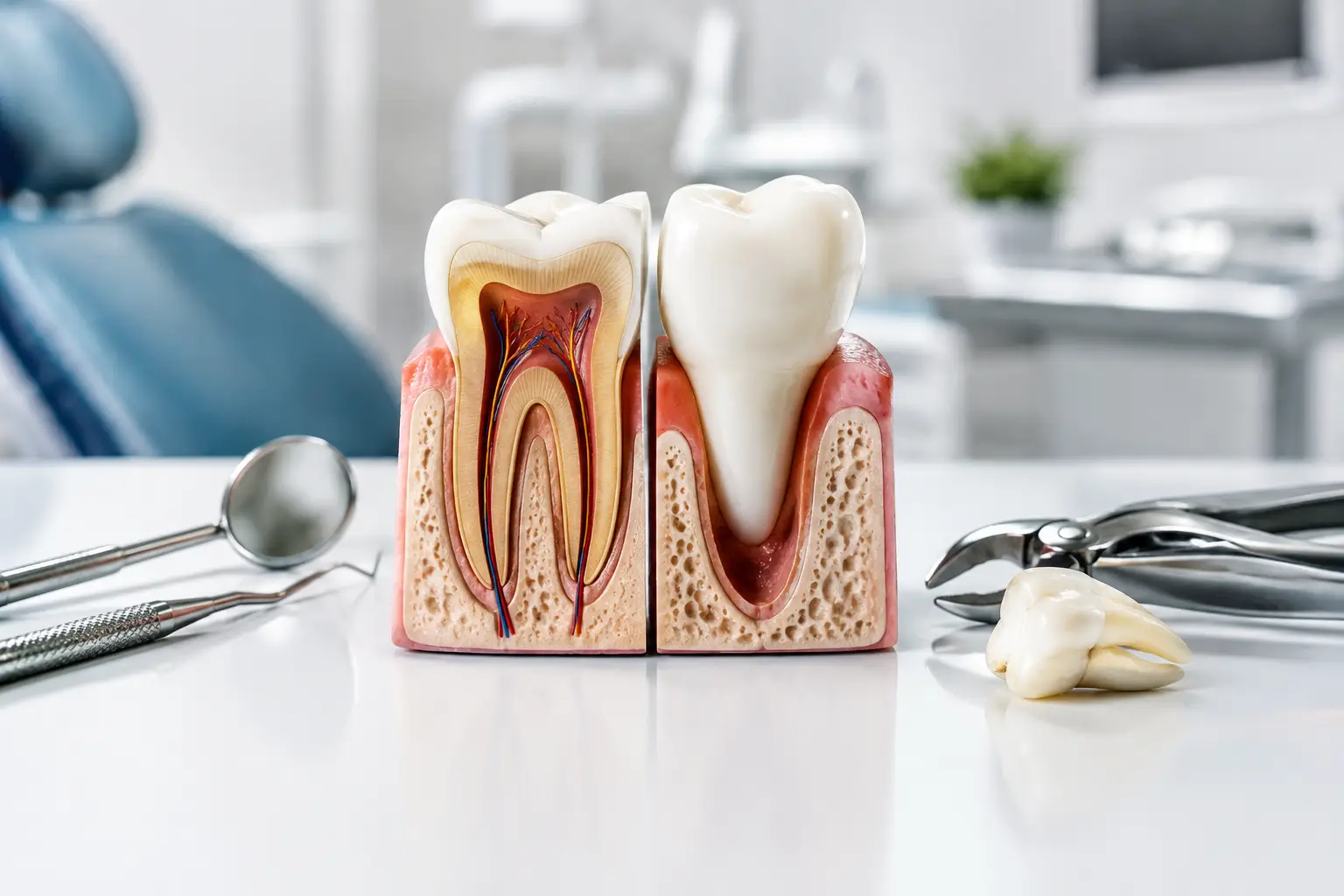
Existing sensitivity also matters. Receding gums can expose the tooth root, which does not have the same protective enamel layer as the visible part of the tooth. Worn enamel, small cracks, cavities, gum inflammation, leaking restorations, and recent dental work can also contribute. Whitening will not fix these issues and may make an untreated concern more noticeable.
Start with an examination, not a whitening kit
A whitening product can be appropriate for healthy teeth, but it is not the best first step for every smile. Before whitening, a dentist can assess your teeth and gums, identify possible causes of sensitivity, and make sure there is no decay, infection, crack, or gum disease that needs attention first.
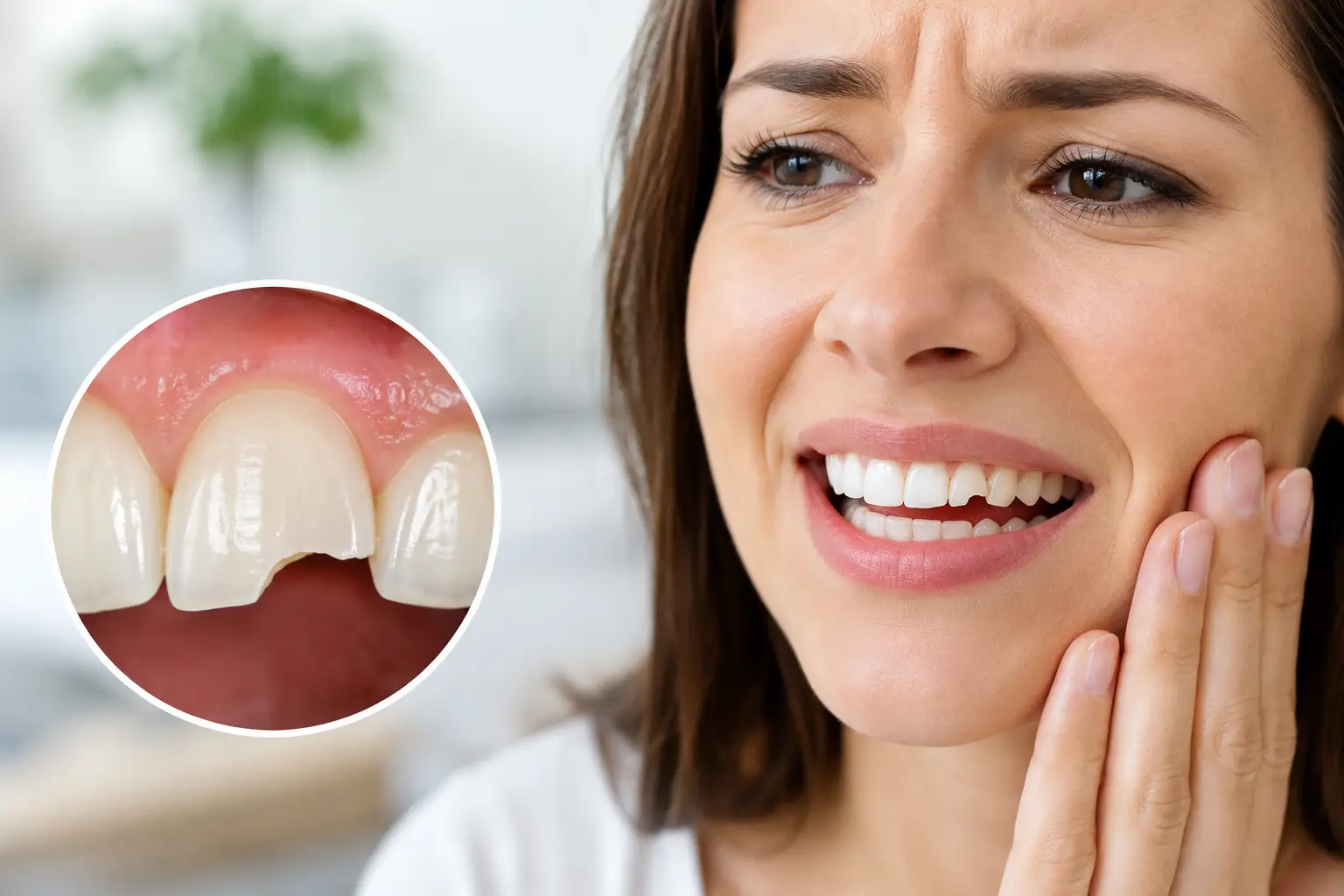
This matters because tooth pain is not always simple sensitivity. Pain that lingers after cold or hot foods, wakes you at night, occurs when you bite, or comes with swelling needs prompt dental assessment. Whitening is best postponed until the source of pain has been diagnosed and treated.
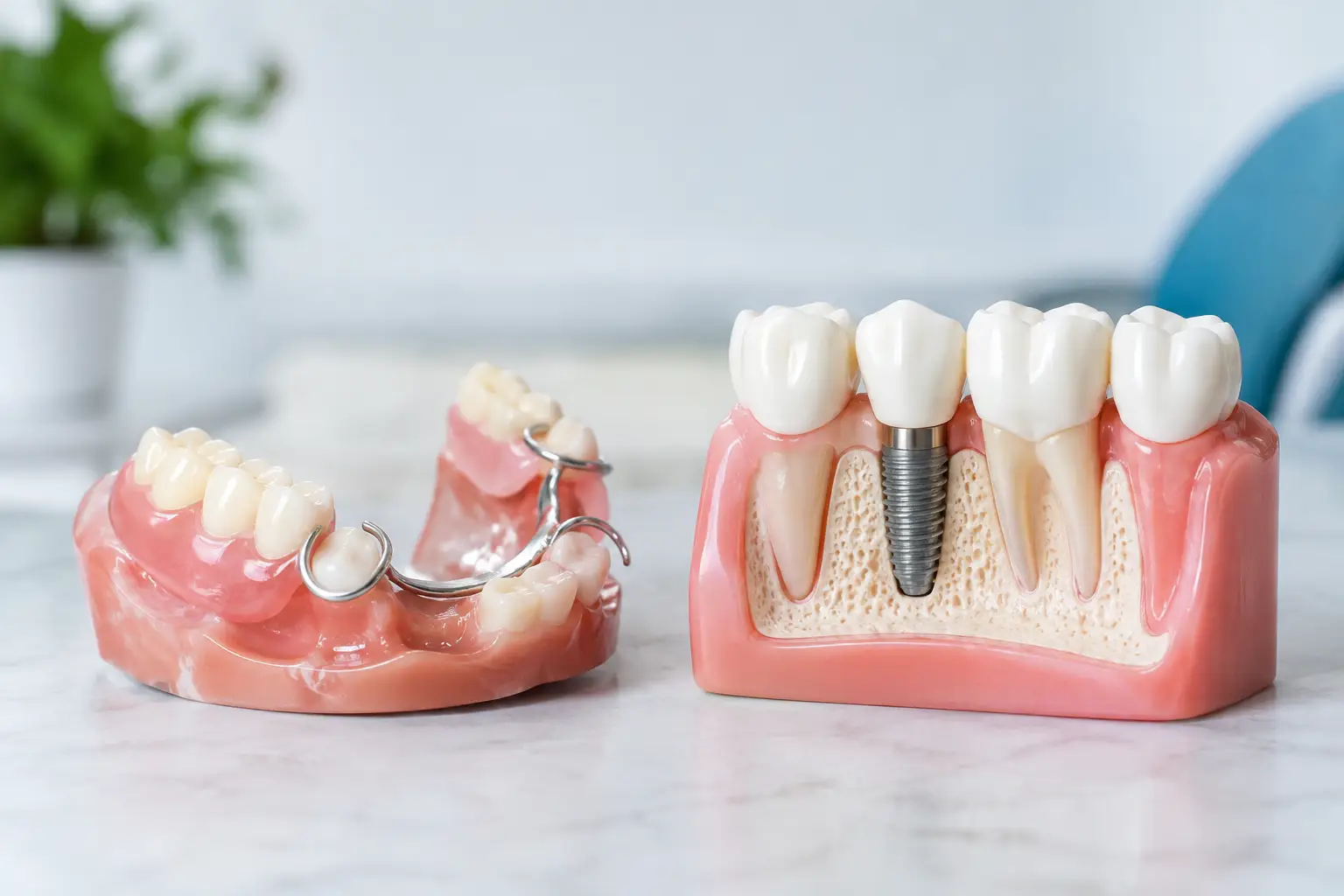
A professional examination also helps set fair expectations. Whitening changes natural tooth colour, but it does not lighten crowns, veneers, fillings, or bonding. If a visible restoration no longer matches after whitening, your dentist can discuss whether replacement is worthwhile after your new shade has stabilized.
Choosing a gentler whitening approach
The best whitening method depends on your starting tooth colour, dental history, amount of sensitivity, and the result you hope to achieve. A slower process is often more comfortable for sensitive teeth, even if it requires a little more patience.
Professional take-home trays
Custom trays made from impressions or digital scans fit closely around your teeth. This helps keep whitening gel where it belongs and reduces contact with the gums. Your dentist can recommend a suitable concentration and wear schedule, including shorter applications or treatment every other day rather than daily.
For many patients with sensitivity, custom take-home whitening offers a useful balance: gradual results with room to adjust the plan if discomfort appears. It is also easier to pause for a few days without losing the progress you have made.
In-office whitening
In-office whitening can produce a noticeable colour change in a single appointment. It may suit patients with an upcoming event or those who prefer professional supervision throughout treatment. However, it can cause temporary sensitivity in some patients, particularly when a stronger formula is used.
If you are prone to sensitivity, tell the dental team before treatment. Your appointment can be planned with comfort measures, and a more gradual option may be recommended if that is a better fit for your teeth.
Store-bought strips and trays
Over-the-counter whitening products can help with mild surface staining, but the fit and concentration are not customized to your mouth. Strips can overlap the gums, while one-size trays may allow gel to spread. Both issues can lead to irritation.
These products are not automatically unsafe, but they require extra care when you already have sensitive teeth. Avoid using more gel, wearing a product longer, or applying it more often than the instructions recommend. More is not better when it comes to whitening comfort.
Ways to reduce sensitivity while whitening
Small adjustments can make a meaningful difference. A dentist may suggest using a toothpaste designed for sensitive teeth for at least two weeks before whitening and throughout the process. These toothpastes help block the pathways that carry sensation toward the tooth nerve, though they need regular use to be effective.
Use a soft-bristled toothbrush and gentle pressure. Aggressive brushing can wear the gumline area and worsen sensitivity over time. It is also wise to wait about 30 minutes after acidic drinks or foods before brushing, as enamel is temporarily softer after acid exposure.
During whitening, take a break if your teeth feel sore or unusually reactive. Resuming with shorter sessions, fewer treatment days, or a lower-strength gel is often more comfortable than trying to finish the original schedule. Avoid very cold drinks, ice, and highly acidic foods on treatment days if they trigger discomfort.
Your dentist may also apply a desensitizing treatment or provide a product designed to calm sensitive teeth before or after whitening. The right option depends on what is causing your sensitivity, which is why professional advice is more helpful than simply changing brands.
When whitening should wait
Whitening is a cosmetic treatment, so there is no benefit to rushing when your mouth needs care first. Treatment may need to wait if you have active tooth decay, gum disease, exposed roots, a cracked tooth, significant enamel wear, or unexplained pain.
Pregnant or breastfeeding patients may be advised to postpone elective whitening as a precaution. Children and teens also need individual guidance, since whitening is not appropriate in every developing smile. If you have many crowns, veneers, or fillings in the visible front teeth, a consultation can prevent disappointment about uneven colour.
If your gums bleed when you brush, your teeth feel loose, or bad breath persists despite cleaning, book a dental visit before considering whitening. Addressing gum health can improve both comfort and the appearance of your smile.
What to expect after treatment
A mild, short-lived sensitivity to cold is the most common side effect. It usually improves within 24 to 48 hours after pausing whitening. Gum tenderness can occur if gel reaches the soft tissue, especially with ill-fitting trays or strips.
Contact a dentist if discomfort is severe, lasts more than a couple of days, comes with swelling, or feels focused on one tooth. Those symptoms can point to an issue unrelated to whitening that deserves attention.
To preserve your results, keep up with regular cleanings and brush twice daily with fluoride toothpaste. Coffee, tea, and richly coloured foods do not have to disappear from your routine, but rinsing with water afterward and enjoying them in moderation can help reduce new surface staining. Occasional touch-ups may be enough, rather than repeating a full course too soon.
A brighter smile should still feel comfortable
At Onyx Dentistry, whitening plans begin with your comfort, tooth health, and goals, not a one-size-fits-all schedule. Whether you have always had sensitive teeth or noticed sensitivity after a previous whitening attempt, a dental assessment can help you choose a safer next step.
A brighter smile is most satisfying when you can enjoy it without flinching at your next sip of water. If sensitivity is holding you back, ask for a plan that lets your teeth set the pace.